




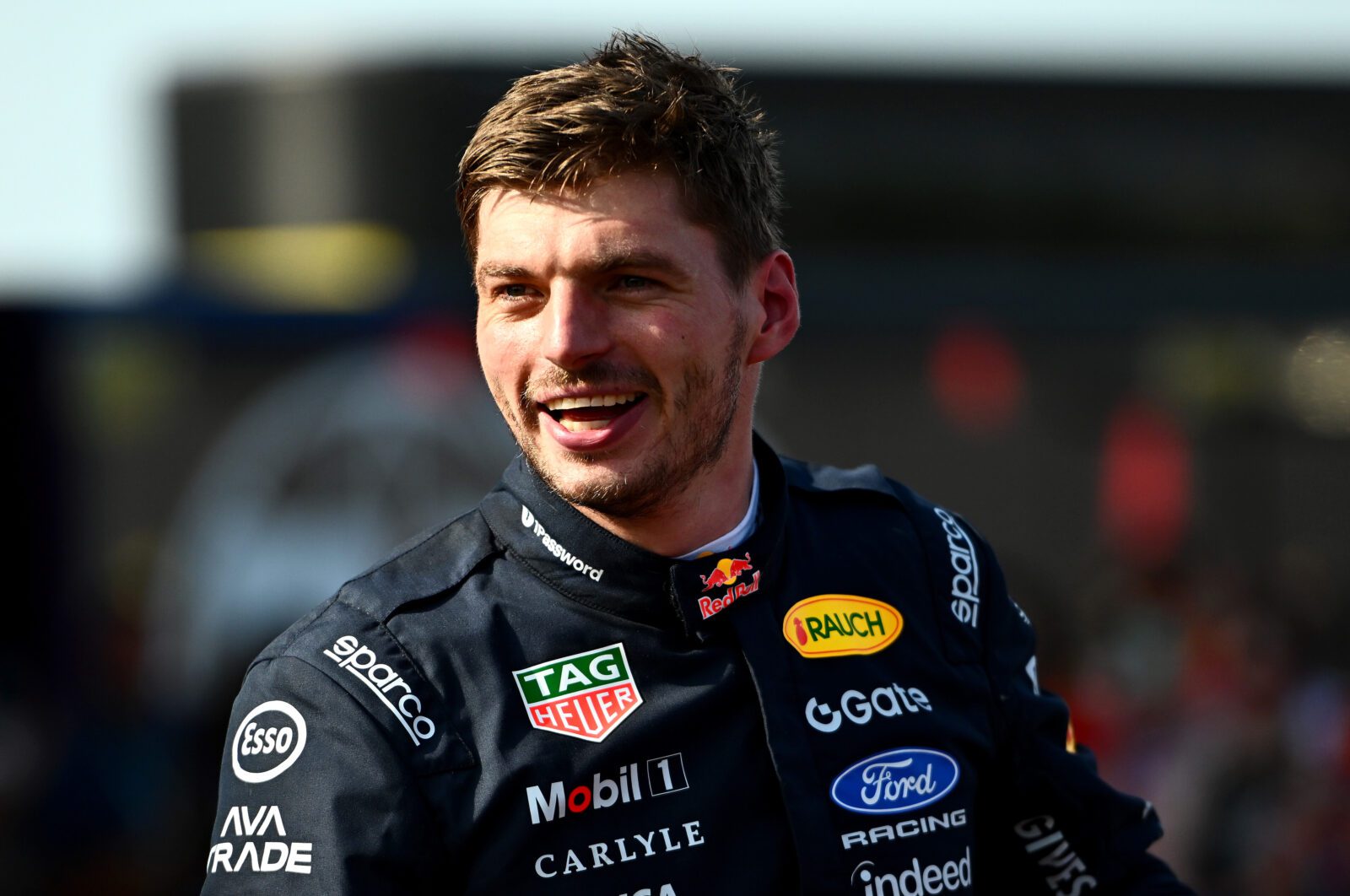
Formula 1 drivers earn their income through a complex structure primarily comprising base salaries, performance bonuses, and personal sponsorships. Unlike many other sports, drivers do not receive direct prize money from Formula 1 for winning races or championships.
Instead, the substantial prize money distributed by Formula 1 Management (FOM) is allocated directly to the teams based on their final position in the Constructors’ Championship. Drivers’ financial incentives for on-track success are negotiated as part of their individual contracts with their respective teams.
The structure of Formula 1 driver compensation
An F1 driver’s total annual earnings are a combination of several distinct financial components. The foundational element is their base salary, which is guaranteed by the team regardless of performance.
Beyond this fixed amount, performance bonuses are a significant part of a driver’s potential income, tied to specific achievements on track. These can include bonuses for scoring points, achieving podium finishes, winning races, or securing championship positions.
Personal sponsorship deals also contribute substantially to the earnings of many drivers, especially the sport’s most prominent figures. These endorsements are separate from team sponsorships and can often match or even exceed a driver’s base salary.
Base salaries for Formula 1 drivers in 2026
Reported base salaries for Formula 1 drivers in 2026 show a wide range, reflecting experience, reputation, and on-track success. Max Verstappen leads the grid with an estimated base salary of $70 million from Red Bull Racing.
Lewis Hamilton, in his second season with Ferrari, commands a reported base salary of $60 million. Other top earners include Charles Leclerc and George Russell, both on reported base salaries of $34 million.
Midfield drivers typically earn between $2 million and $13 million annually in base salary. Rookie drivers entering the sport generally receive base salaries ranging from approximately $500,000 to $1 million.


| Rank | Driver | Team | Reported Base Salary (USD) in 2026 |
|---|---|---|---|
| 1 | Max Verstappen | Red Bull | $70,000,000 |
| 2 | Lewis Hamilton | Ferrari | $60,000,000 |
| T-3 | Charles Leclerc | Ferrari | $34,000,000 |
| T-3 | George Russell | Mercedes | $34,000,000 |
| 5 | Lando Norris | McLaren | $30,000,000 |
| 6 | Fernando Alonso | Aston Martin | $20,000,000 |
| T-7 | Carlos Sainz | Williams | $13,000,000 |
| T-7 | Oscar Piastri | McLaren | $13,000,000 |
| T-9 | Pierre Gasly | Alpine | $12,000,000 |
| T-9 | Alex Albon | Williams | $12,000,000 |
| T-9 | Lance Stroll | Aston Martin | $12,000,000 |
| 12 | Sergio Pérez | Cadillac | $8,000,000 |
| T-13 | Nico Hülkenberg | Audi | $7,000,000 |
| T-13 | Esteban Ocon | Haas | $7,000,000 |
| T-15 | Valtteri Bottas | Cadillac | $5,000,000 |
| T-15 | Isack Hadjar | Red Bull | $500,000 – $1,000,000 |
| T-15 | Franco Colapinto | Williams | $500,000 – $1,000,000 |
| T-15 | Arvid Lindblad | Red Bull | $500,000 – $1,000,000 |
Performance bonuses for race wins and points
Performance bonuses are a contractual agreement between a driver and their team, varying significantly based on individual deals. These bonuses are designed to incentivize strong results and can be highly lucrative for successful drivers.
For a race victory, top-tier drivers can earn substantial bonuses, reportedly ranging from $250,000 to $1 million per win. These figures are in addition to their base salaries and reflect the high value placed on winning in Formula 1.
Many contracts also include points-based bonuses, where a driver receives a set amount for every championship point scored. A common example cited is approximately $10,000 per championship point, meaning a race win (25 points) could trigger an additional $250,000.
Bonuses can also be tied to podium finishes, specific championship positions, or even the team’s performance in the Constructors’ Championship.
Team prize money and its impact on driver contracts
Formula 1’s prize money system is structured to reward teams based on their performance in the Constructors’ Championship, not individual race results. At the end of each season, Formula 1 distributes a significant portion of its commercial revenue to the ten competing teams.
This prize pool, which amounted to approximately $1.4 billion in 2025, is allocated on a sliding scale, with the Constructors’ Champion receiving the largest share. Even the team finishing tenth receives a meaningful allocation, highlighting the financial importance of every position in the standings.
While drivers do not directly receive a share of this prize money from Formula 1, their contracts may include clauses that link their bonuses to the team’s Constructors’ Championship performance. This aligns driver incentives with the overall success of the team, which directly benefits from higher prize money payouts.
The role of personal sponsorships and the cost cap
Personal sponsorships form a crucial part of a Formula 1 driver’s overall income, often supplementing their team salary and performance bonuses. Drivers with strong personal brands and significant market appeal can secure lucrative deals with external companies.
These sponsorships cover various activities, including brand endorsements, appearances, and merchandise deals. For the sport’s biggest names, income from personal sponsorships can be substantial, sometimes matching or exceeding their base salaries.
It is important to note that Formula 1 driver salaries are explicitly excluded from the sport’s cost cap regulations. This means teams can spend any amount on driver compensation without it counting towards their operational budget limits.
This exemption allows teams to invest heavily in securing top talent, irrespective of the financial constraints placed on car development and other team expenditures.