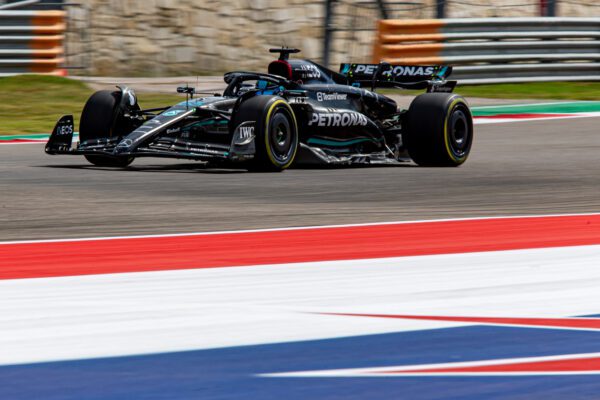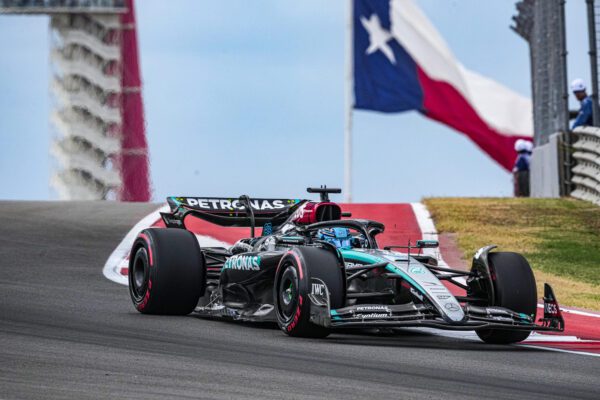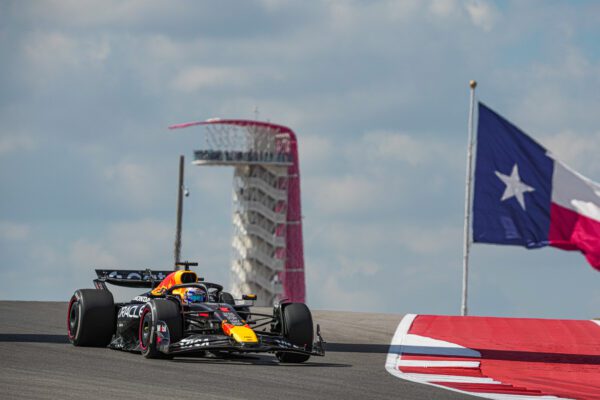




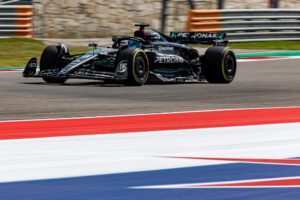
The Circuit of the Americas in Austin, Texas, presents a unique meteorological challenge for Formula 1 teams and drivers, particularly during the autumn United States Grand Prix. Conditions can fluctuate dramatically, demanding constant adaptation in car setup and race strategy.
This variability encompasses significant temperature swings, intense heat, sudden downpours, and impactful wind patterns.
The Texan autumn, while generally warm, is far from stable, often delivering a wide range of atmospheric conditions across a single race weekend. Teams must prepare for everything from scorching afternoon sessions to cooler morning practice runs.
Texan autumn: drastic temperature swings
Austin in mid-October typically experiences moderate to high daytime temperatures, often ranging from 25 to 30 degrees Celsius (70 to 80 degrees Fahrenheit). This period is considered autumn in Texas, yet temperatures remain considerably elevated.
However, a defining characteristic of the Texan autumn is the drastic temperature swing between early morning sessions and the heat of the afternoon races. Nighttime temperatures can drop significantly, sometimes reaching around 15 degrees Celsius (60 degrees Fahrenheit).
This diurnal variation means that track conditions can evolve rapidly, particularly as the sun sets during qualifying sessions. Teams must account for these shifts when optimizing tyre warm-up and overall car balance.
Intense heat: challenges for car and driver
The intense heat prevalent during the Austin Grand Prix weekend introduces substantial challenges for engine cooling, brake temperatures, and driver stamina. Air temperatures approaching 30 degrees Celsius are frequently forecast for the event.
Formula 1 power units, operating at extreme internal temperatures, require sophisticated cooling systems to prevent overheating. The internal combustion engine’s combustion chambers can exceed 1100 degrees Celsius, while turbocharger exhaust gases reach up to 1000 degrees Celsius.

Brake systems are also heavily impacted, with carbon brake discs optimally functioning between 400 and 800 degrees Celsius but capable of exceeding 1000 degrees Celsius during heavy braking zones. Sustained temperatures above 1000 degrees Celsius can lead to oxidation and potential brake failure.
Drivers face immense physical strain, with cockpit temperatures often soaring to 50 degrees Celsius (122 degrees Fahrenheit). This extreme environment can cause drivers to lose between 2 and 4 kilograms of body weight during a single race due to sweating.
The FIA has previously declared a “heat hazard” for the United States Grand Prix, particularly in 2025 and 2026, when forecasts predicted temperatures above 31 degrees Celsius. Such declarations allow teams to fit a “Driver Cooling System” to provide additional cooling for the drivers.
| Component | Optimal/Operating Temperature | Impact of High Ambient Heat |
|---|---|---|
| Engine Combustion Chamber | >1100°C | Increased cooling demand, potential performance loss |
| Turbocharger Exhaust Gases | Up to 1000°C | Higher thermal stress on components |
| Battery Pack | 20-40°C | Critical for performance and degradation prevention |
| Brake Discs | 400-800°C (optimal), >1000°C (heavy braking) | Risk of oxidation, brake fade, and failure |
| Tyre Surface | 100-120°C | Accelerated degradation, blistering, reduced grip |
| Cockpit Temperature | Up to 50°C | Severe driver stamina challenges, dehydration |
Unpredictable downpours and track conditions
Despite generally dry forecasts, Austin is susceptible to unpredictable tropical downpours, which can rapidly transform track conditions. Sudden cloudbursts have historically led to track flooding and triggered red flags, significantly disrupting race weekends.
A notable example occurred during the 2015 United States Grand Prix weekend, where heavy rain and flood warnings led to cancelled practice sessions and delayed qualifying. Qualifying was eventually postponed to Sunday morning, with a red flag further interrupting the session.
Such extreme wet conditions can cause cars to hydroplane off the circuit, as seen in other motorsport events at COTA. The FIA has addressed wet-weather operational issues, introducing permanent software updates for Formula 1’s electronic control units (ECUs) in 2026 to prevent power unit problems experienced in previous wet races.
Red flags are deployed when track conditions become too dangerous to continue, ensuring driver safety. If a race cannot be resumed after a red flag, points are awarded based on the penultimate completed lap, provided 75% of the race distance has not been covered.
Wind’s influence on aerodynamic stability
The Circuit of the Americas’ layout, particularly its high-speed T4 to T8 Esses sequence, is highly sensitive to wind direction and strength. Strong gusts can significantly compromise aerodynamic stability and car balance.
Wind fundamentally alters how cars behave in corners, forcing teams to make setup compromises that might favor one wind direction over another. Average wind speeds can be around 20 km/h, but sudden gusts of up to 50 km/h can occur in specific sections of the circuit.
These gusts are particularly dangerous as they can double or triple the mean wind speed in localized areas, leading to unexpected changes in downforce and drag. Drivers have reported losing control due to strong winds, highlighting the challenge.
Maintaining a stable aerodynamic platform is important for navigating the fast Esses, where drivers aim to straight-line the sequence as much as possible. Wind sensitivity here demands precise car setup to ensure consistent grip and performance.
Shifting track temperatures and tyre strategy
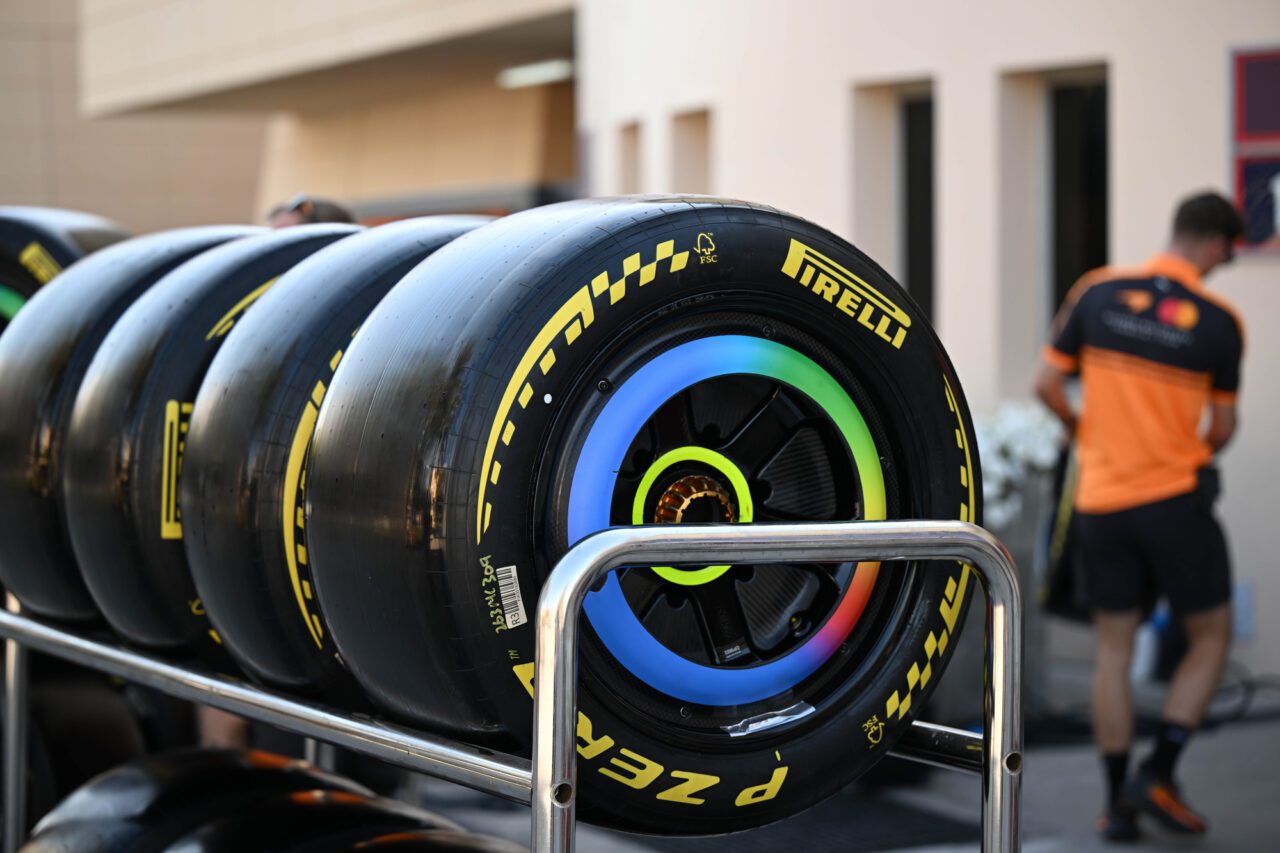
Shifting track temperatures, often influenced by cloud cover during the race, can rapidly scramble tyre strategies. Pirelli, the sole tyre supplier, typically allocates the middle range compounds (C2 hard, C3 medium, C4 soft) for the Austin Grand Prix.
High ambient and track temperatures, common in Austin, accelerate tyre degradation, making tyre management a critical factor. Teams must carefully monitor track temperature fluctuations to optimize their pit stop windows and compound choices.
Cloud cover can cause track temperatures to drop quickly, altering the grip levels and the optimal operating window for the tyres. A wrong tyre choice in changing conditions can cost a driver more than 10 seconds per lap.
The Circuit of the Americas’ demanding combination of high-speed corners and slower, technical sections places varied demands on the tyres throughout the lap. The first sector stresses the front tyres, while the third sector’s repeated acceleration out of slow corners increases thermal degradation at the rear.