



From 2011 through 2025, Formula 1 relied on the Drag Reduction System to solve two aerodynamic challenges with one movable rear wing flap. By letting chasing cars within one second shed drag on designated straights, DRS boosted straight-line efficiency and created an artificial passing delta.
The 2026 technical regulations retired DRS and split those functions into two independent systems. Active Aerodynamics now allows every driver to flatten both front and rear wings in Straight Mode on every lap.
Meanwhile, Overtake Mode delivers an electrical power surge exclusively to chasing drivers. Under the 2026 power unit rules, MGU-K output nearly tripled from 120 kW to 350 kW to match the internal combustion engine in a 50-50 power split.
Crossing a detection point within one second of the car ahead unlocks an extra 0.5 megajoules of electrical energy for the following lap. While a leading car tapers electrical deployment above 290 km/h, a chasing car in Overtake Mode sustains full power up to 337 km/h.
This electrical thrust replaces aerodynamic drag reduction as the primary passing tool. At the same time, Corner Mode keeps full downforce intact through braking zones and high-speed turns.
Raw overtaking numbers from 2025 compared against 2026
Raw passing volume rose sharply across the 2026 championship compared with the final year of the ground-effect and DRS era. Shorter wheelbases, a 100 mm narrower track width, and a 30 kg weight drop to 768 kg let cars follow closer through medium-speed corners.
At the 2026 season opener in Melbourne, on-track passes jumped from 45 in 2025 to 120 under the new rules. Two rounds later at Suzuka, overtaking surged by 279 percent from 28 passes to 106.
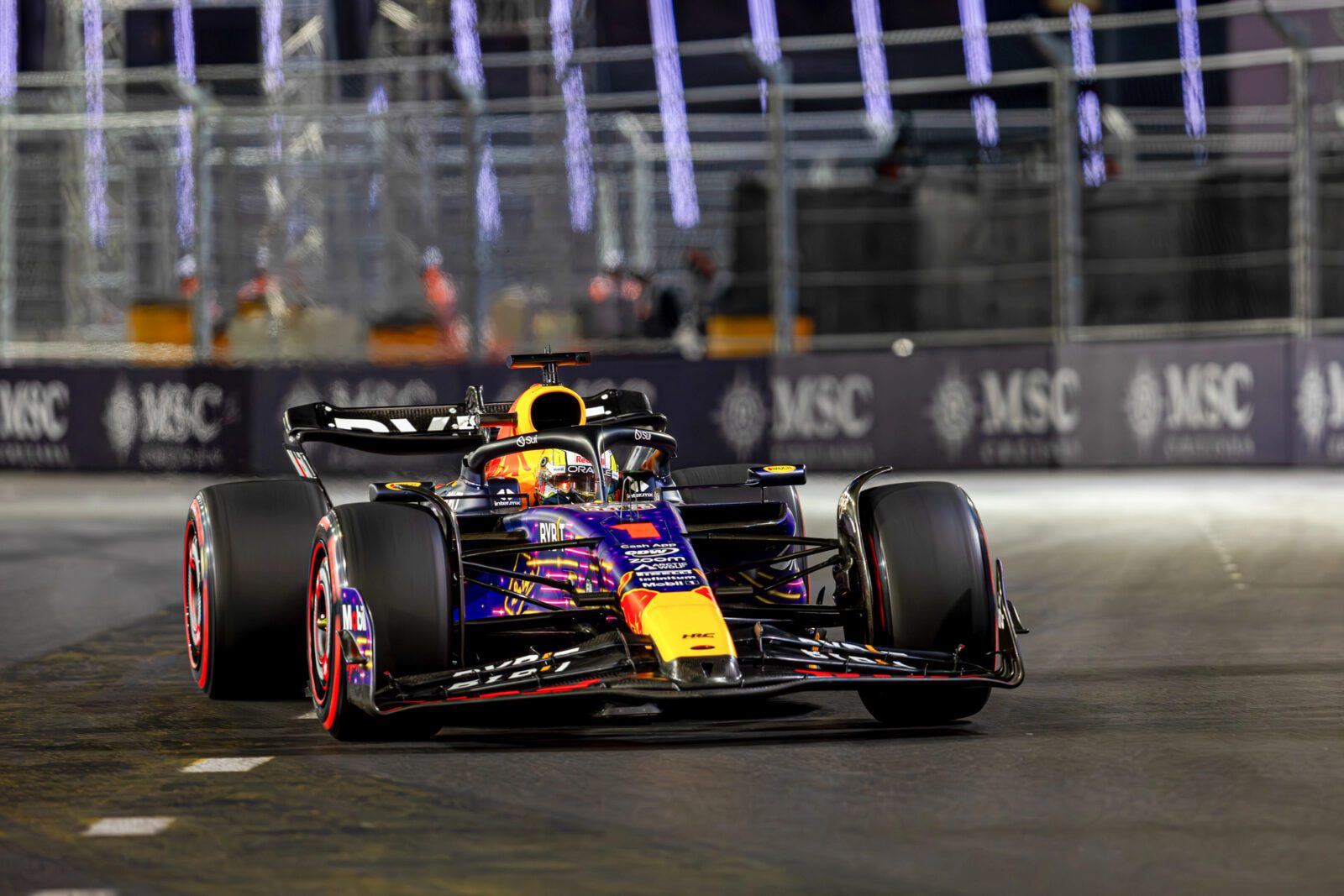
The statistical peak arrived at the 2026 Las Vegas Grand Prix, where drivers completed 352 overtakes and swapped the lead 35 times. That evening shattered the previous Formula 1 record of 186 passes set at Zandvoort in 2023 and dwarfed the 17 passes recorded in Las Vegas in 2025.
| Metric or Specification | 2025 Season (Final DRS Era) | 2026 Season (Active Aero & Overtake Mode) |
|---|---|---|
| Primary Overtaking Aid | Rear-wing DRS flap (within 1.0 second) | Overtake Mode (+0.5 MJ electrical boost) |
| Drag Reduction Availability | Chasing cars within 1.0 second only | All cars on every lap via Active Aero |
| MGU-K Electrical Output | 120 kW (approx. 20% total power) | 350 kW (approx. 50% total power) |
| Minimum Car Weight | 800 kg | 768 kg |
| Australian GP Overtakes | 45 passes | 120 passes (+167%) |
| Japanese GP Overtakes | 28 passes | 106 passes (+279%) |
| Chinese GP Overtakes | 42 passes | 114 passes (+171%) |
| Sao Paulo GP Overtakes | 64 passes | 138 passes (+116%) |
| Las Vegas GP Overtakes | 17 passes | 352 passes (all-time F1 record) |
| Two-Lap Position Retention Rate | 78.4% | 52.6% (-25.8 percentage points) |
Lap-by-lap telemetry quickly showed that higher gross overtake counts did not equal permanent track position gains. Deploying Overtake Mode and manual Boost drains the battery rapidly, leaving attackers depleted on the following straight.
Meanwhile, the overtaken driver harvests energy under braking and qualifies for Overtake Mode at the next detection line. This cycle triggered frequent yo-yo battles where two cars swapped the same spot multiple times across consecutive laps.
Automated super-clipping magnified those oscillations on circuits with long full-throttle sections. When a leading car began harvesting energy at the end of a straight despite full throttle, chasers closed in with speed deltas of 20 to 30 km/h.
Net position retention after two green-flag laps fell from 78.4 percent in 2025 to 52.6 percent in 2026. In 2025, main-straight passes usually stuck because defenders had no immediate counter-weapon once dropped outside the one-second DRS window.
How drivers and teams reacted to electrical passing battles
The shift from aerodynamic passes to energy duels divided the Formula 1 paddock throughout 2026. After winning the Las Vegas Grand Prix ahead of Lando Norris and Oscar Piastri, Max Verstappen called the 352-pass spectacle overly artificial.
Norris noted that while the action looked thrilling on television, closing speeds of 30 km/h let drivers press Boost and pass rivals before the braking zone. Williams driver Alex Albon compared low-degradation races to a Formula E peloton where saving energy behind a leader beat running in clean air.
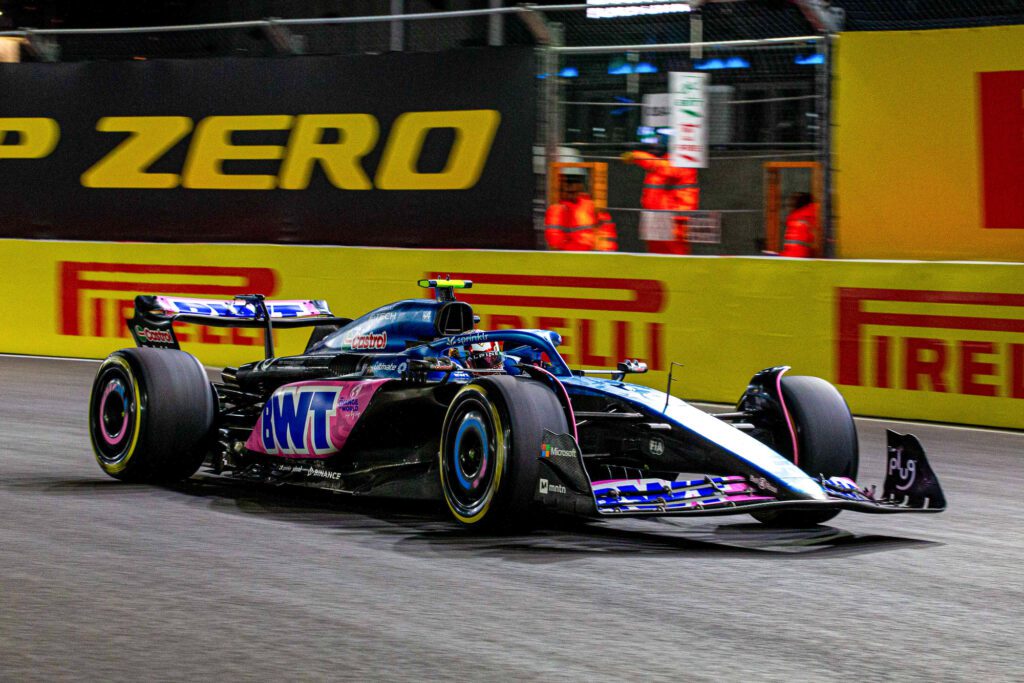
Other drivers welcomed the tactical freedom created by Boost and Recharge mapping. Carlos Sainz highlighted the added unpredictability for fans, while multi-corner battles between Lewis Hamilton and Charles Leclerc in Shanghai proved the nimble 2026 cars could race closely.
On the pit wall, race engineers expanded their focus beyond tire degradation and undercut windows. Teams mapped out dedicated attack laps and recharge laps, instructing drivers to sit behind a rival for two laps before unleashing combined Boost and Overtake Mode energy.
Where on the circuit overtaking improved and where it stalled
One clear gain in 2026 was the spatial spread of overtaking away from single predictable straights. During 2025, defensive drivers regularly formed static DRS trains where six or seven cars canceled out each other’s rear-wing advantage.
Because Overtake Mode supplies extra energy across an entire lap rather than one fixed straight, drivers attacked into unconventional corners and sweeping exits. Telemetry from technical venues confirmed a rise in side-by-side entries into secondary braking zones using stored electrical reserves.
Circuit layout nevertheless remained the decisive factor governing race quality. High-speed tracks with long straights and cool ambient temperatures turned battery offsets into constant pack shuffling, whereas tight street circuits like Monaco still restricted passing despite narrower cars.
Measured by volume and unpredictability, Formula 1 grew far more active after DRS ended in 2026. Measured by pass permanence and late-braking skill over battery calibration, the numbers show a championship that traded predictable aero passes for volatile electrical chess.
Data methodology and official Zenodo research archive
This dossier summarizes findings from our comparative telemetry study measuring dry-race overtaking volume, two-lap position retention, and MGU-K deployment across identical circuits in 2025 and 2026. The complete academic paper and open-access citation record are archived on Zenodo under DOI 10.5281/zenodo.24465401.