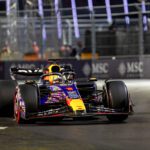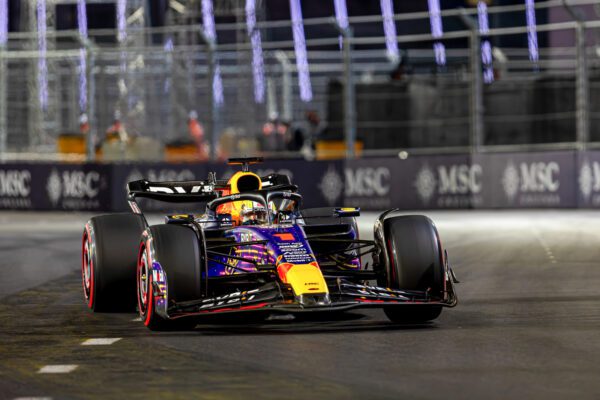

Former Formula 1 driver Robert Doornbos expressed significant astonishment after watching the Las Vegas Grand Prix. He stated he could not recall ever witnessing a race where the field remained so tightly packed, with nearly every competitor appearing to have a chance at victory throughout the event.
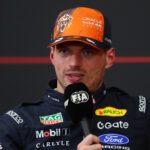
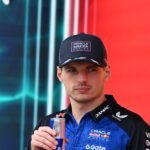
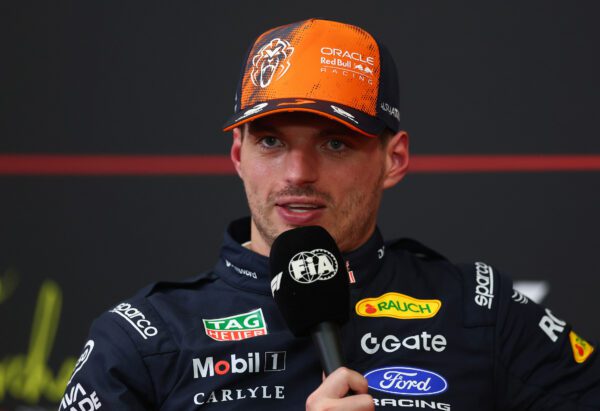
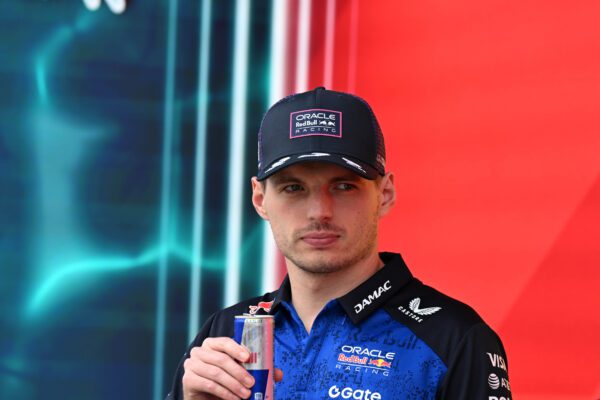
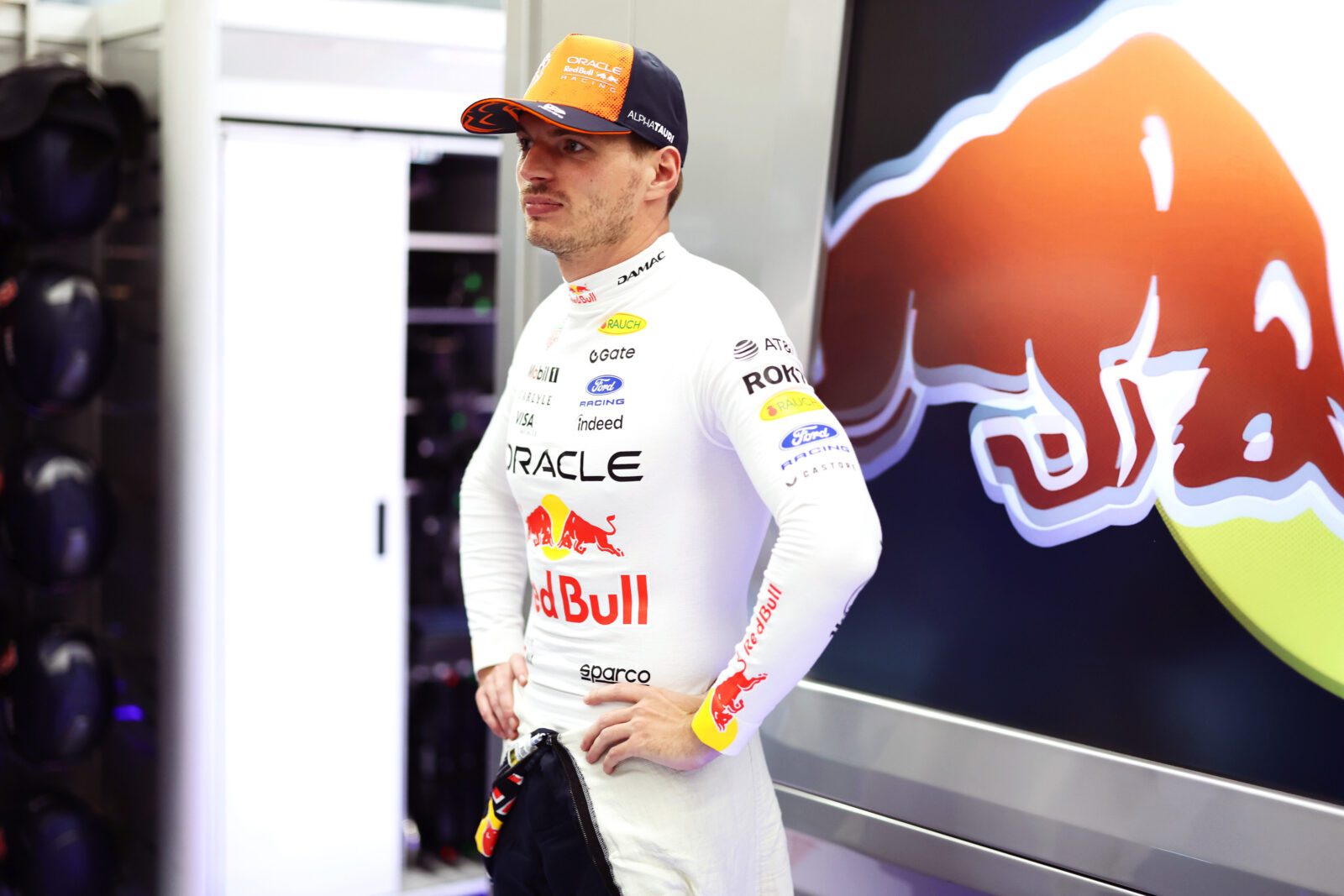
Amidst this unprecedented chaos, Doornbos observed Max Verstappen performing in a manner that, according to him, distinctly set the Dutchman apart from the rest of the grid. Speaking on Ziggo Sport, Doornbos declared that Las Vegas surpassed all expectations, calling it “the most crazy race” and praising the event both on and off the track.
Despite his extensive experience as a driver, analyst, and Formula 1 enthusiast, Doornbos admitted to witnessing something entirely new. He remarked, “I have this never seen before in my Formula 1-career.” The unique conditions played a decisive role in the race’s character, according to the former driver.
Low temperatures meant that almost no one’s tyres reached their optimal working range, keeping the field exceptionally close. This was compounded by a significant slipstream effect, which prevented any driver from escaping their pursuers for an extended period.
Doornbos even drew a comparison between the Las Vegas Grand Prix and a completely different motorsport discipline. He noted, “That also reminded me of the Indy 500.” He explained that oval racing is also characterised by drafting and slipstreaming, where even a driver outside the top ten can win.
He believes a similar dynamic emerged in Las Vegas, where pure speed alone was insufficient, and drivers constantly had to strategise several moves ahead. Doornbos asserted that Verstappen elevated this mental aspect of the race to an entirely different level.
“Here it was also a matter of keeping your head,” he stated. Doornbos highlighted that what Verstappen did as “exceptional category” that day was precisely this ability to maintain focus. While other drivers primarily reacted to immediate events, Verstappen was already planning how to approach the decisive phase of the race far in advance.
According to Doornbos, the Red Bull driver was thinking not just one, but sometimes ten laps ahead. He specifically pointed to Verstappen’s communication with his engineers regarding energy management. Verstappen asked his team, “do we have the right, or can you perhaps give me an even better deployment strategy?”
The analyst described the energy management aspect of the race as almost a high-speed chess match. “It was really a game of charging, discharging,” Doornbos explained. It was precisely in this intricate balance that he saw Verstappen rise above the competition.
The Red Bull driver had to constantly decide where to sacrifice energy, where to attack, and where to create space, all while managing a long train of rivals. Doornbos found Verstappen’s visible joy after the victory particularly telling.
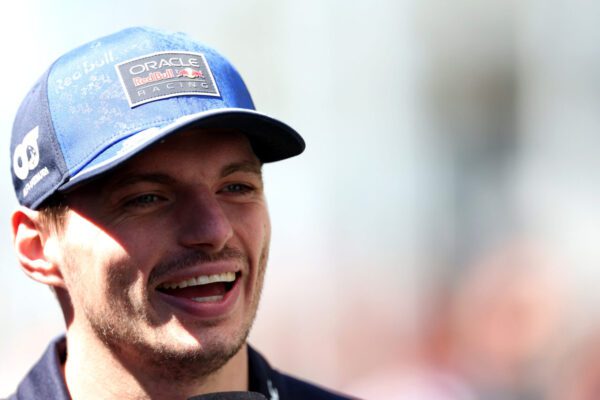
“You also saw the joy in Max here,” he recounted, describing the happiness as “unprecedented and justified.” The former driver did not hesitate to place this win high on Verstappen’s already extensive list of achievements, calling it “one of his finest victories if you ask me. The 75th already on his list.”
Although Verstappen himself was critical of the race’s nature and the significant role of battery usage afterwards, Doornbos primarily focused on Red Bull’s strong recovery throughout the season. He noted that while the car faced balance and mechanical issues early in the year, the overall package is now much more cohesive.
Doornbos believes Verstappen’s current form further underscores this improvement, stating, “He is now the most successful driver on the entire grid.” This led him back to his main conclusion about a Grand Prix he considered incomparable to any other.
In a race where almost no one had control over the bigger picture, Doornbos saw precisely one driver rise above the chaos: Verstappen as “exceptional category.”