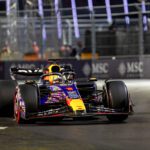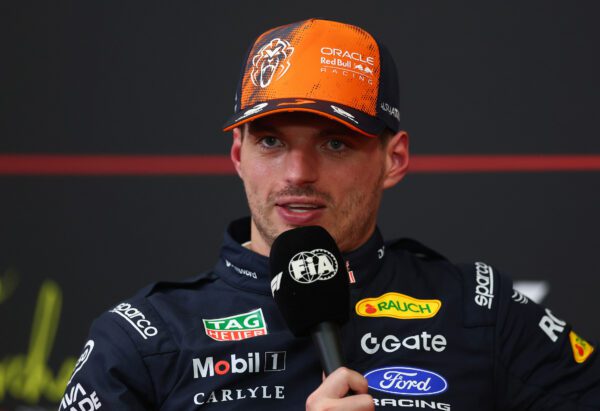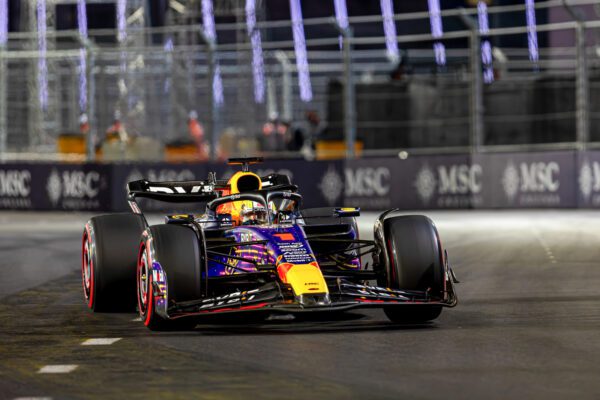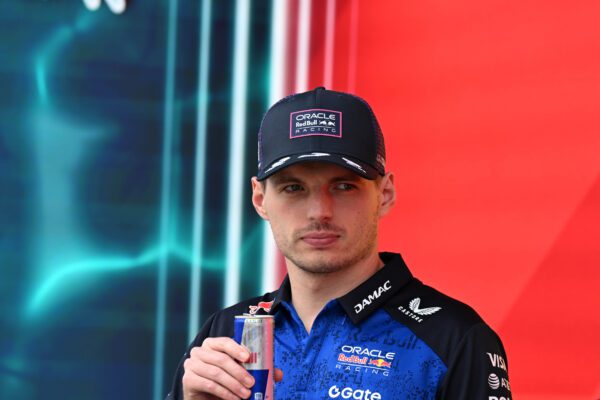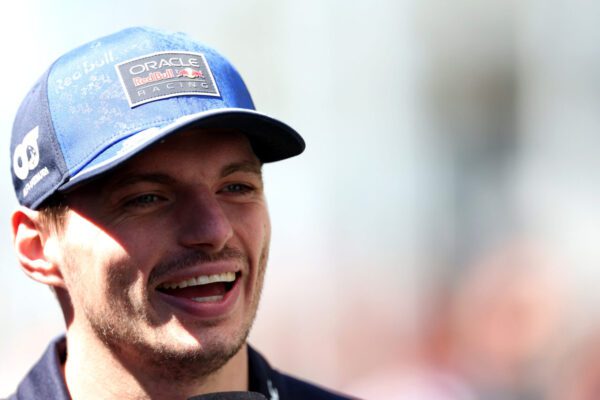

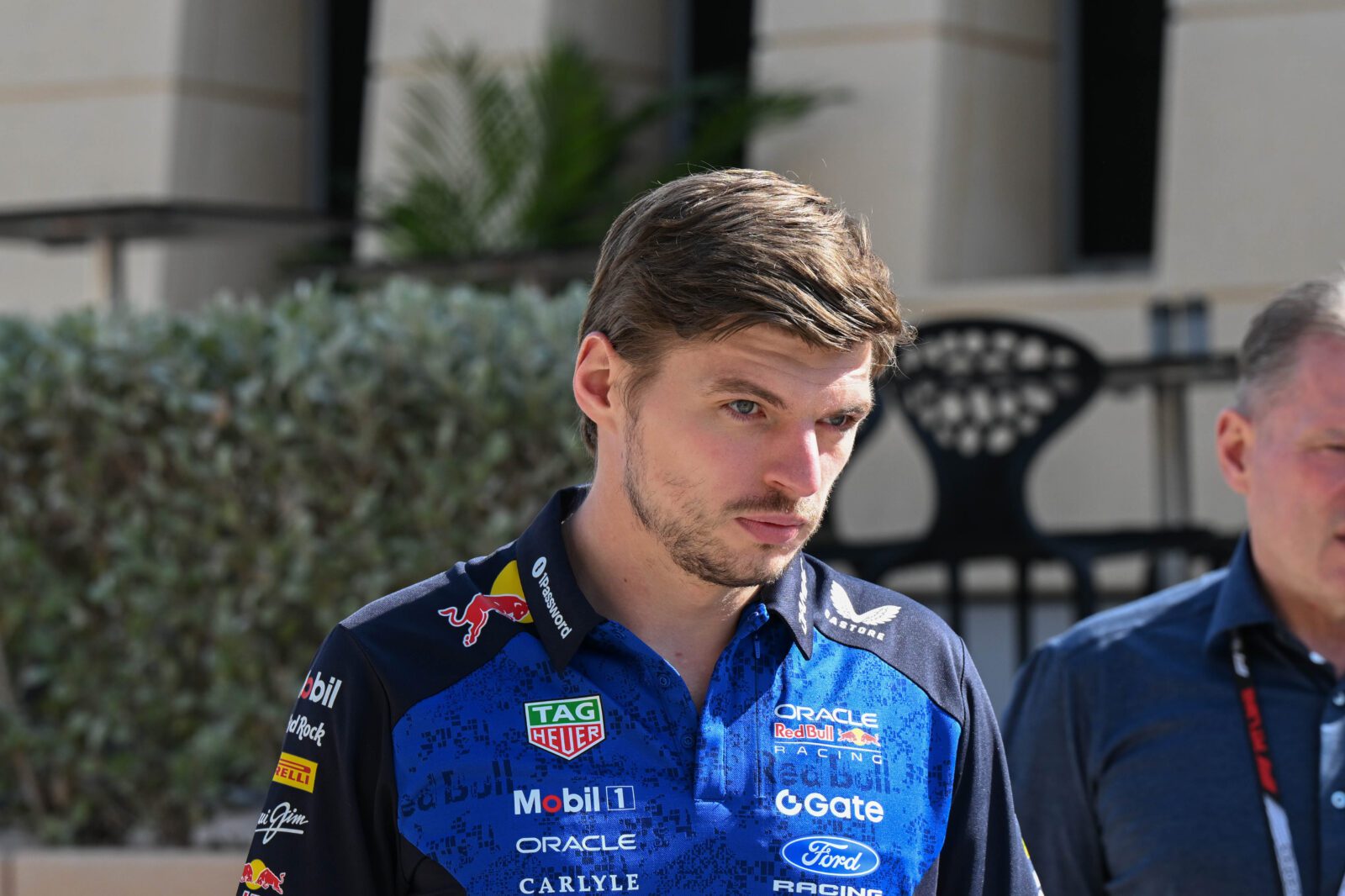
The Las Vegas Grand Prix delivered a race for the history books, marked by an unprecedented 352 overtakes and 35 lead changes. The front of the field saw differences that never exceeded 1.5 seconds, creating a truly unique spectacle. Max Verstappen secured his 75th career victory in a contest that stood out not only for his milestone win but also for the intense battle for the lead.
This extraordinary race unfolded due to a potent combination of a powerful slipstream effect and the strategic use of electrical motors. The conditions in ‘Sin City’ resulted in a race dynamic typically seen only on American oval tracks, with five to ten cars running closely together, all vying for the win.
Despite the widespread enthusiasm, Verstappen drew a familiar comparison after the race.
“I probably shouldn’t say it, really I shouldn’t, but I remember a race like this from when I played Mario Kart. If you fall back there, you go faster. That was the last time I felt something like this.”
Verstappen and other drivers had previously voiced similar sentiments earlier in the year. The introduction of new power units made battery management, which accounts for 50 percent of the car’s power, more crucial than ever. Drivers were forced to lift off the throttle at critical points to redeploy energy after corners.
This led to three “yo-yo” races in March, where drivers constantly exchanged positions. While spectacular, this style of racing drew criticism for being artificial, and the significant speed differentials were deemed dangerous. Following a crash involving Oliver Bearman in Japan, the battery power was slightly reduced, with further adjustments planned for next year.
In Las Vegas, this “yo-yo” racing was observed in an extreme form. Verstappen was continuously overtaken, only to reclaim the lead a few corners later. This unique situation stemmed from two primary factors.
Firstly, the slipstream effect was exceptionally strong, which is logical given the nearly two-kilometer-long straight along The Strip. The longer the straight and the higher the speed, the more potent the slipstream’s pulling effect becomes.
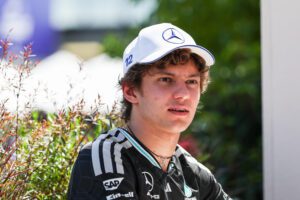
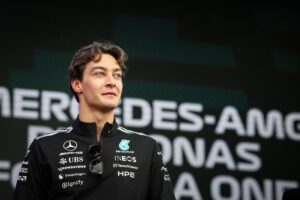
The second reason for the abundance of overtakes was the “overtake mode”. If a driver is within one second of the car ahead at a specific point on the circuit, they are permitted to use more energy from their battery on the subsequent lap. Without this extra energy, a driver would lose speed earlier on the straight as their battery depletes, while those behind could maintain top speed for longer.
Verstappen faced the challenge of constantly leading, which meant he rarely benefited from this extra power, unlike the cars behind him. Consequently, while he might build a 1.4-second lead midway through the circuit, this advantage would shrink to mere tenths after the straight, or he would temporarily lose the lead.
Adding to the intrigue was the finish line’s placement, relatively short after the long straight. If Verstappen was passed by a driver like George Russell, he would often regain the lead around the start-finish line, sometimes just before it, sometimes just after. This raised questions, as overtakes after the finish line are not counted on the final lap.
The closing stages of the race effectively became a rehearsal for that crucial final lap. Russell and Kimi Antonelli made attempts at various points, while Verstappen strategically deployed his energy to reclaim positions just before the line. Verstappen even inquired over the radio if his team could adjust the engine settings to allow him to respond precisely at the right moment on the final lap.
He explained, “We used the energy well from the start, but people watch what you do and learn from it. At a certain point, I couldn’t get back in front before the finish line, which is why I asked the question”. A photo finish was ultimately denied to fans due to Russell’s crash and a brief loss of power for Antonelli. This unique scenario appears to be specific to the Las Vegas track. Artificial or not: the numerous overtakes were historic, setting the stage for a rematch next year.