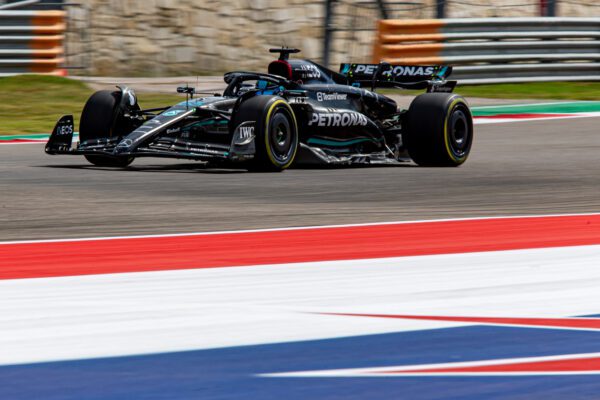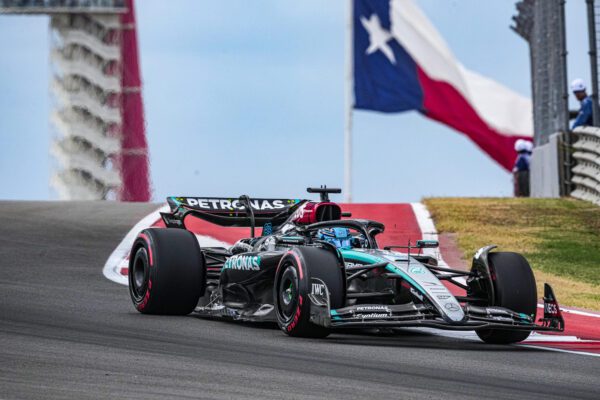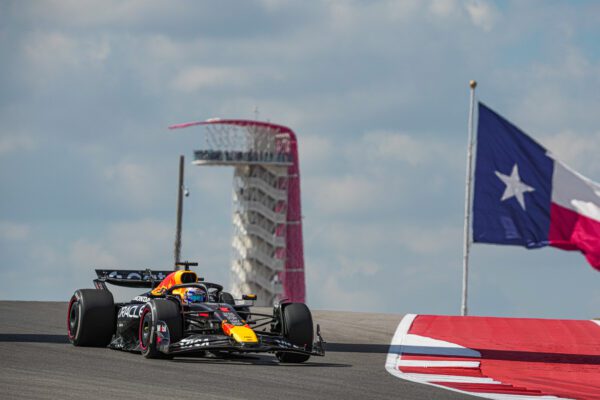




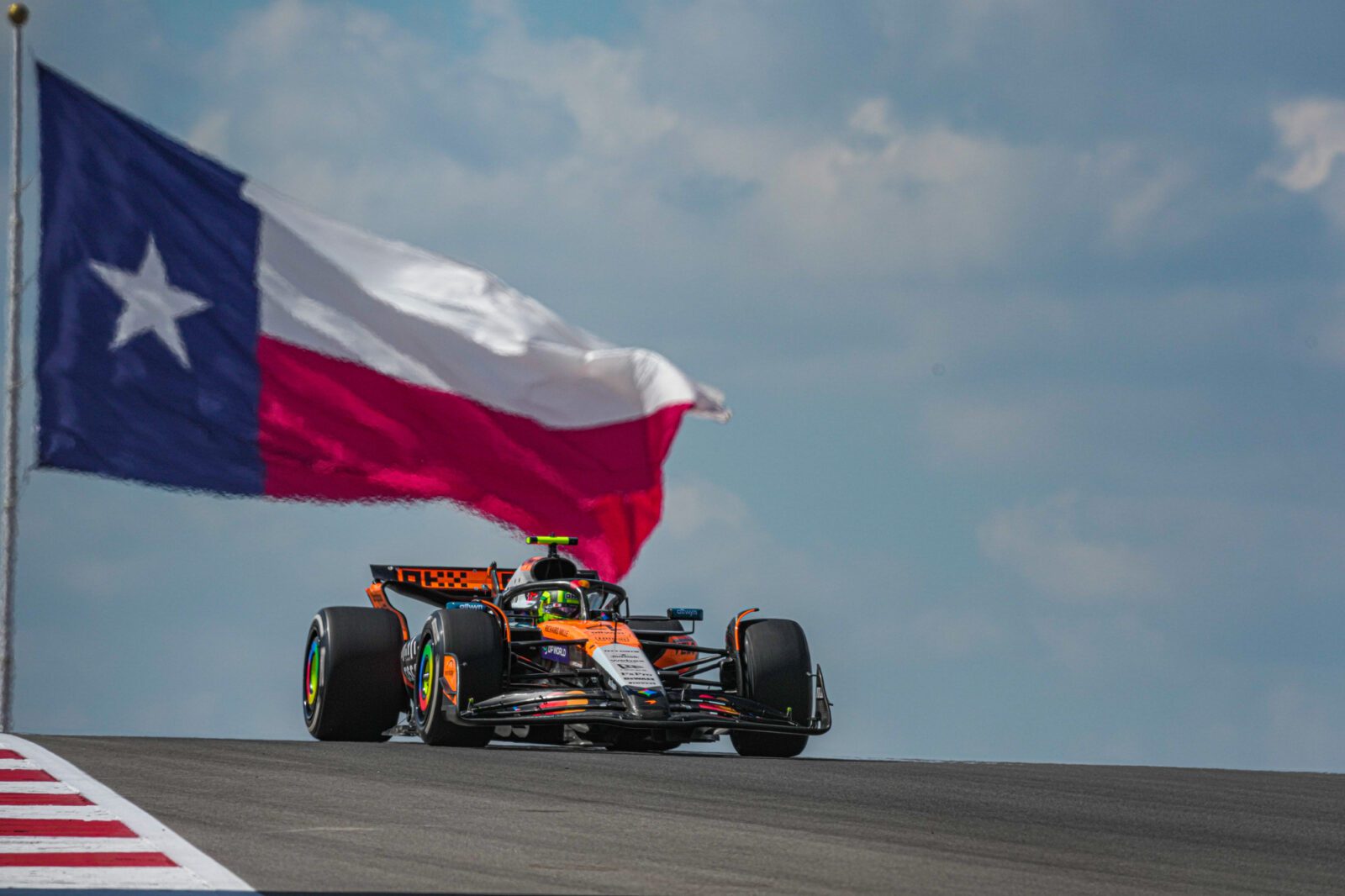
The Circuit of the Americas, commonly known as COTA, is a purpose-built Formula 1 racetrack located near Austin, Texas, United States. This modern circuit first hosted the United States Grand Prix in 2012 and has since become a staple on the F1 calendar.
Its design incorporates a variety of challenging features, making it a demanding track for both cars and drivers.
The characteristic layout and design inspiration
The layout of the Circuit of the Americas was conceived by renowned German architect Hermann Tilke, in collaboration with Tavo Hellmund and Kevin Schwantz. The design draws inspiration from several iconic European Formula 1 circuits, creating a unique blend of challenges.
Specifically, the fast sweepers of Turns 3 through 6 are modeled on Silverstone’s legendary Maggotts-Becketts-Chapel complex. The stadium section, encompassing Turns 12 through 15, closely resembles the arena bends found at Hockenheim.
Additionally, a replica of Istanbul Park’s challenging Turn 8 is incorporated into the COTA layout.
The iconic climb to turn 1 and flowing first sector
A distinctive feature of COTA is the dramatic climb to Turn 1, often referred to as “Big Red.” Drivers face an elevation gain of 41 meters (133 feet) over a short distance on the main straight, leading to a blind uphill left-hand turn.
The apex of Turn 1 is positioned on the crest of this hill, making it a prime overtaking spot and a particularly interesting challenge at the start of a race. After navigating Turn 1, drivers immediately descend into a flowing first sector characterized by a series of medium to fast corners.
This sequence of lightning-fast direction changes, including turns inspired by Interlagos’ Senna ‘S’ and Silverstone’s complex, demands maximum downforce and precise aerodynamic balance from the cars. Maintaining consistent aerodynamic performance through these high-speed corners is important for a fast lap time.


Racing anti-clockwise: the physical demands
The Circuit of the Americas is one of the few tracks on the Formula 1 calendar that runs in an anti-clockwise direction. This orientation means the circuit features more left-hand turns than right-hand ones.
Most major European tracks are clockwise, leading to drivers’ bodies, particularly their necks, being more accustomed to the lateral G-forces generated by right-hand bends. Racing on an anti-clockwise circuit places extra physical strain on drivers’ necks, requiring specific training to adapt to these unusual forces.
Car setup: finding the delicate compromise
Setting up a Formula 1 car for COTA involves finding a delicate compromise between straight-line speed on the long back straight and optimal grip in the twisty final sector. The circuit’s diverse characteristics demand a versatile setup.
Teams typically opt for a medium-to-high downforce setup to ensure stability through the high-speed Esses and the challenging final sector. However, too much downforce can hinder top speed on the 1.09-kilometer (0.63-mile) back straight, which was historically a key overtaking zone.
Adjustments to wing angles, differential settings, and suspension stiffness are critical to achieve the right balance. A stable rear is preferred for traction out of slow corners like Turn 11 and Turn 20, while a slightly softer front suspension can aid compliance over the track’s notorious bumps and curbs.
| parameter | specification |
| location | austin, texas, united states |
| opened | october 21, 2012 |
| designer | hermann tilke, tavo hellmund, kevin schwantz |
| track length | 5.513 km (3.426 miles) |
| number of turns | 20 (11 left, 9 right) |
| driving direction | counter-clockwise |
| elevation change | 41 meters (133 feet) |
| estimated top speed | over 320 km/h (200 mph) |
| capacity | 120,000 spectators |