



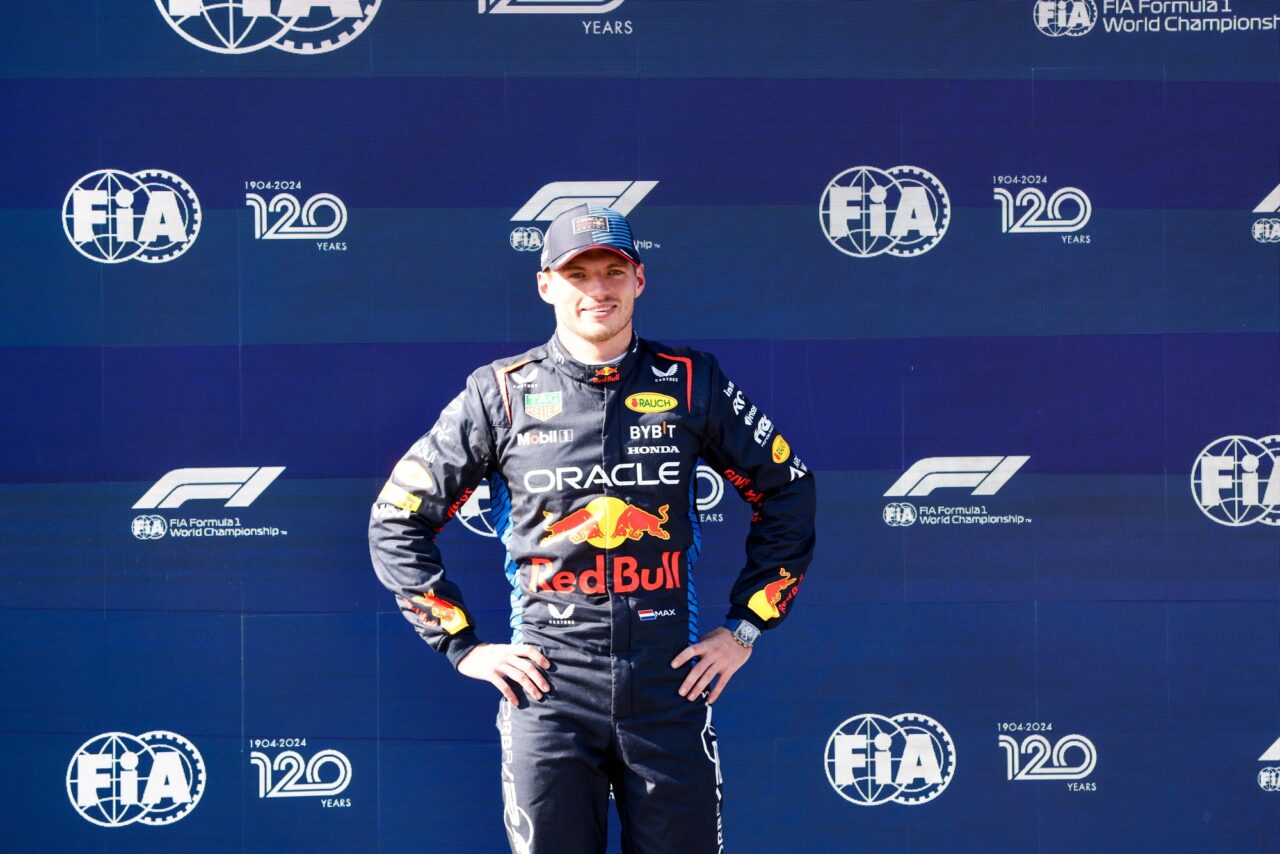
Max Verstappen has labelled the Circuit of the Americas track as “unacceptable” and “out of control” ahead of this weekend’s United States Grand Prix. The Red Bull driver voiced significant concerns regarding the persistent bumps at the Austin venue on Thursday, October 23, 2026.
The Dutchman, a four-time world champion, stated that the issue has been raised for years and is now escalating. He highlighted the physical toll on drivers, particularly with the characteristics of the 2026 Formula 1 cars.
Verstappen expressed apprehension about the upcoming race, referencing observations from a recent World Endurance Championship event at COTA. He described the track as “extremely badly bumpy” during that event.
He detailed the severe vertical loads experienced by drivers, noting impacts of over 9G on his spine in previous seasons. Verstappen indicated that medical checks show the lower end of his spine is not in optimal condition.
The Red Bull driver believes the current F1 cars, which run with very low ride heights through corners, exacerbate the problem. This design characteristic makes the cars more susceptible to bottoming out on uneven surfaces.
Verstappen dismissed the common explanation that the track’s construction on marshland is an acceptable excuse. He argued that organisers should have anticipated this and reinforced the circuit more effectively during its construction.
“You can use the excuse that the soil is the problem, but then you should have known that and you need to make sure that you reinforce it more.”
McLaren driver Lando Norris concurred with Verstappen’s assessment, revealing that he often takes headache tablets before driving on bumpy circuits. Norris stated that COTA would not meet the stringent FIA standards for new track construction.


The Circuit of the Americas, which has hosted F1 since 2012, has a history of resurfacing efforts to address the bumps caused by ground movement. A significant resurfacing project was completed in 2024.
For the 2026 season, specific sections between Turns 9 and 11 were resurfaced, and bumps approaching Turns 12 and 19 were smoothed. Despite these interventions, the drivers’ concerns persist.
The FIA’s Grade 1 homologation standards require tracks to meet specific criteria for surface evenness, with a tolerance of plus or minus 3mm over a four-metre straight edge. This certification typically lasts three years.
The governing body has previously acknowledged the challenges posed by bumps, particularly for ground-effect cars that operate with low ride heights. The FIA’s head of single-seaters, Nikolas Tombazis, indicated a preference for cars to run slightly higher to mitigate these issues.
Verstappen maintained that temporary fixes, such as grinding down bumps, are merely “putting a plaster on the big problem.” He advocated for a comprehensive overhaul of the track’s foundation, acknowledging the substantial cost and time involved.