



Formula 1 challenges its elite drivers across a diverse calendar of circuits, each presenting unique obstacles. While every track demands skill, certain venues stand out for their extreme technicality, physical toll, or unforgiving nature, pushing both car and driver to their absolute limits.
These circuits often feature a combination of narrow sections, high-speed corners, significant elevation changes, and a complete lack of run-off areas, leaving no margin for error.
Monaco: the ultimate test of precision
The Circuit de Monaco is universally acknowledged as one of Formula 1’s most difficult tracks, demanding unparalleled precision and mental fortitude. Its narrow streets, winding through La Condamine and Monte Carlo, offer virtually no run-off areas, meaning even the slightest mistake can end a race against the barriers.
Blind corners and significant elevation changes, including steep uphill stretches and swift descents, further amplify the challenge. The iconic Fairmont Hairpin is the slowest corner in Formula 1, requiring extreme car control, while the tunnel section tests drivers’ adaptability as they transition from bright sunlight to low light conditions.
Singapore: a brutal physical and mental endurance challenge
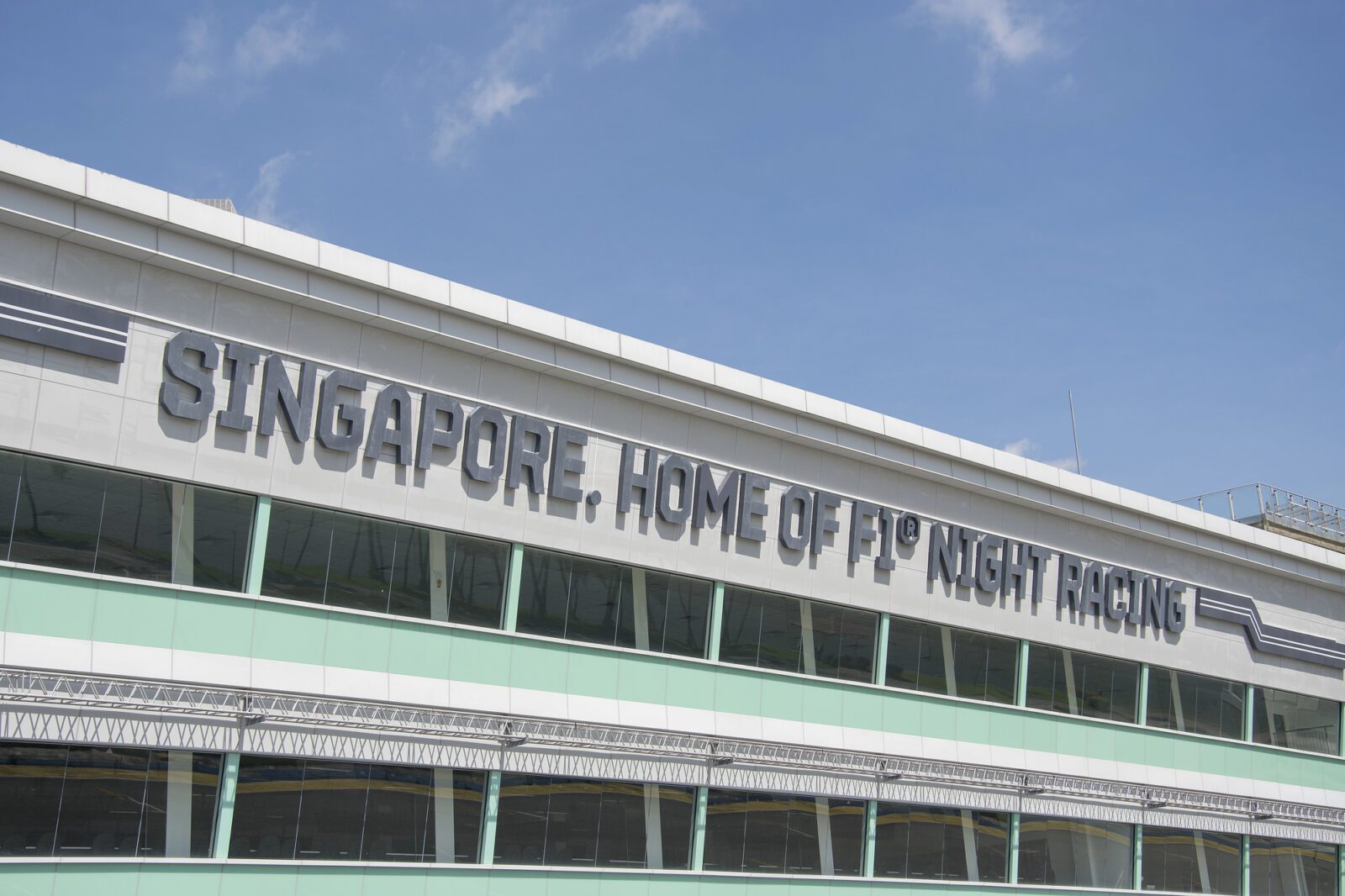
The Marina Bay Street Circuit in Singapore is widely regarded as the most physically demanding race on the Formula 1 calendar. The tropical climate brings extreme humidity, often reaching 80%, with cockpit temperatures frequently exceeding 50°C.
This intense heat and humidity, combined with the circuit’s 19 tight corners and lack of long straights, mean drivers get no respite, leading to extreme fatigue and dehydration. The race often approaches the maximum two-hour duration, making it a true test of endurance and focus, where drivers can lose around 3 kilograms in body weight.
Suzuka and spa-francorchamps: high-speed technical mastery
Suzuka International Racing Course in Japan is celebrated for its fast-flowing nature and high technical demands, particularly its unique figure-eight configuration. The circuit features iconic sections like the Esses and Degners, which require inch-perfect precision and commitment through high-speed corners.
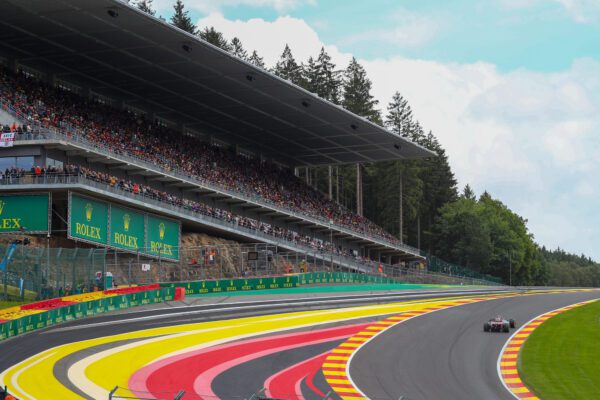
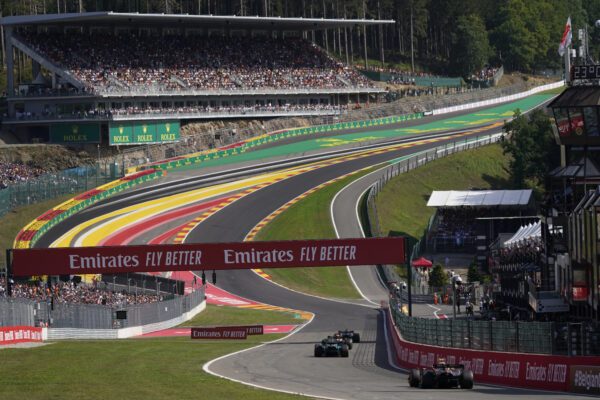
Spa-Francorchamps in Belgium is another legendary circuit, renowned for its dramatic elevation changes and high-speed corners, most notably Eau Rouge and Raidillon. These sections demand immense courage and complete trust in the car, as drivers experience enormous G-forces and navigate blind apexes.

Jeddah and baku: unforgiving street circuit speed
The Jeddah Corniche Circuit in Saudi Arabia has quickly established itself as one of the most challenging tracks, being the fastest street circuit on the calendar with an average speed exceeding 250 km/h. Its 27 corners and close proximity to the walls leave no room for error, punishing even minor misjudgments.
Similarly, the Baku City Circuit in Azerbaijan, another high-speed street track, features a notoriously narrow castle section. This tight, winding part of the circuit regularly catches out even the most experienced drivers, highlighting the unforgiving nature of street racing.
Qatar and monza: unique demands on stamina and accuracy
The Lusail International Circuit in Qatar has emerged as one of the most physically stressful races, with many drivers finding it even more demanding than Singapore due to the combination of high heat and quick corners. The circuit requires massive physical and mental stamina, often leading to dehydration and dizziness.
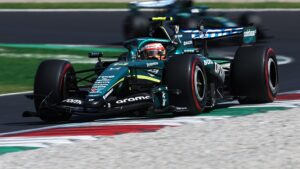
Autodromo Nazionale Monza in Italy, known as the ‘Temple of Speed’, presents a different kind of challenge. While seemingly straightforward with its long straights, achieving a perfect lap time requires absolute precision through its chicanes and high-speed corners like the Lesmos, Ascari, and Parabolica.
Hitting these corners flawlessly is a menacing task, making it difficult to extract maximum performance.
| Circuit | Key Challenge | Notable Features |
|---|---|---|
| Monaco | Precision, mental concentration | Narrow streets, no run-off, Fairmont Hairpin, tunnel |
| Singapore | Physical endurance, heat, humidity | Tropical climate, 19+ tight corners, long race duration |
| Suzuka | High-speed technicality, rhythm | Figure-eight layout, Esses, Degners, high G-forces |
| Spa-Francorchamps | Courage, elevation changes | Eau Rouge, Raidillon, fast blind corners |
| Jeddah | High-speed street circuit, wall proximity | Fastest street circuit, 27 corners, no margin for error |
| Qatar | Extreme physical stress, heat | High heat, quick corners, demanding stamina |
| Monza | High-speed precision, braking | Chicanes, Lesmos, Ascari, Parabolica |
These circuits collectively represent the pinnacle of Formula 1’s challenges, demanding a comprehensive blend of physical fitness, mental resilience, and exceptional driving skill. They are the tracks where drivers truly earn their reputation, pushing beyond conventional limits to master the art of speed and control.