



Formula 1, Formula 1, has a rich and complex history intertwined with both exhilarating speed and inherent danger. The evolution of the sport has seen a constant battle to enhance driver safety, particularly in response to tragic incidents on some of the world’s most challenging circuits.
From rudimentary tracks of the past to today’s technologically advanced venues, the pursuit of safety has transformed Formula 1, allowing champions to race at the limit with reduced risk. This dossier explores the circuits that earned a reputation for extreme danger and the pivotal moments that reshaped safety standards in Formula 1.
The early era: inherent dangers and minimal protection
In the pioneering decades of Formula 1, particularly the 1950s and 1960s, racing was an exceptionally perilous undertaking. Circuits often comprised ordinary roads or racetracks with very limited protection, featuring elements like trees, low walls, and basic guardrails mere feet from the racing line.
The absence of standardized safety measures and protective equipment meant drivers relied heavily on their skill and courage, with each race carrying a significant risk of tragedy.
The high frequency of accidents and fatalities ultimately compelled Formula 1 to implement dramatic changes. Initial steps towards greater protection included the introduction of safety barriers, homologated helmets, and fireproof suits.
These early reforms gradually began to alter the way races were organized and conducted.
Circuits of legend: where danger defined the challenge
Several circuits throughout Formula 1 history became synonymous with extreme danger and unforgiving layouts. The Nürburgring Nordschleife, famously dubbed the ‘Green Hell’ by Jackie Stewart, stands out as one of the most fearsome tracks ever conceived.
This circuit stretched over 20 kilometers of narrow tarmac, winding through the Eifel mountains with relentless blind crests and twisty corners, offering virtually no run-off areas.
After hosting 21 German Grands Prix and witnessing five Formula 1 driver fatalities, the Nordschleife was ultimately deemed too dangerous for the sport. Across all forms of motorsport, the Nürburgring has been the site of 69 fatal crashes in competition.
Another circuit etched into motorsport tragedy is Imola, the Autodromo Enzo e Dino Ferrari.
The 1994 San Marino Grand Prix at Imola is a dark chapter, where Roland Ratzenberger and Ayrton Senna both lost their lives, prompting a global re-evaluation of track safety. Despite modern modifications, Imola retains its character as a fast, ‘old-school’ circuit demanding absolute precision from drivers.
The Tamburello corner, in particular, had been the scene of numerous previous incidents before Senna’s fatal crash.
Monaco’s Circuit de Monte Carlo remains a unique anomaly in modern racing, characterized by its narrow streets and severe lack of run-off areas. Any error on this mentally exhausting track invariably results in a collision with the unforgiving barriers.
Despite being the slowest race by F1 standards, it is one of the most demanding due to its blind corners and the high stakes involved in sections like the Swimming Pool and Fairmont Hairpin.
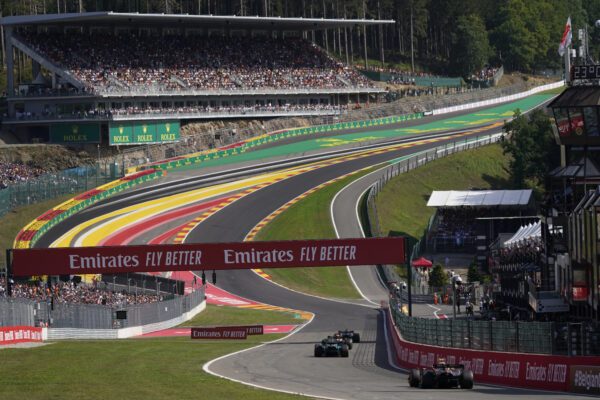
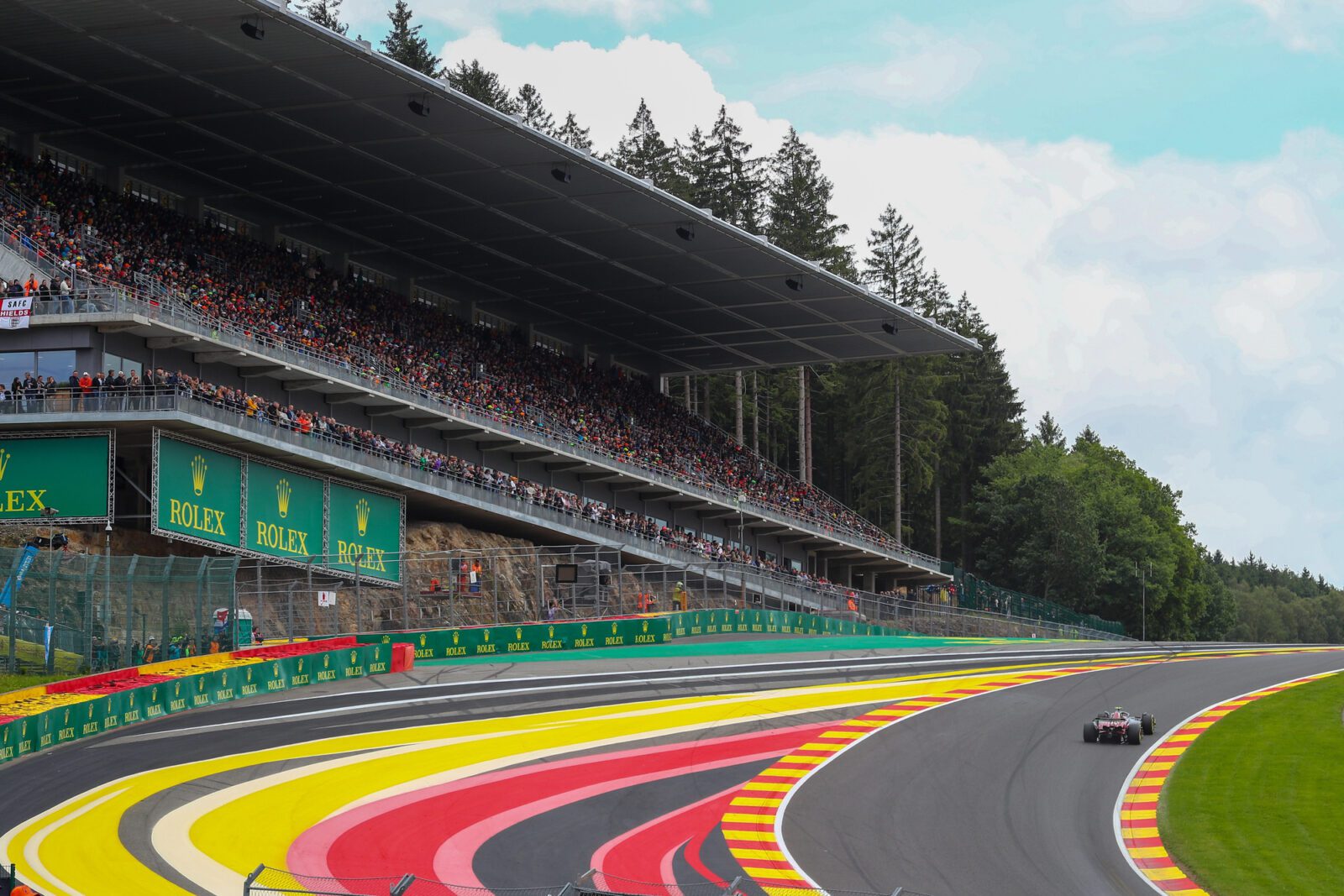
The original Spa-Francorchamps circuit, once a sprawling 14-kilometer public road, was notoriously fast and dangerous. While significantly shortened to 7 kilometers and upgraded with large run-off areas, corners like Eau Rouge and Raidillon still demand extraordinary courage and trust in the car’s aerodynamic grip.
Monza, known as the ‘Temple of Speed,’ also underwent significant changes, with its high-speed banking removed in the 1960s and chicanes added to reduce straight-line speeds.
Suzuka Circuit in Japan, with its distinctive figure-eight layout and high-speed technical sections, is a driver favorite but has also seen its share of safety issues. Widened run-offs at corners like the 130R were implemented following Jules Bianchi’s fatal crash in 2014.
Historically, circuits like Montjuïc in Spain were also deemed too dangerous, with the Spanish Grand Prix never returning after a fatal crash in 1975.
The 1994 turning point and subsequent safety revolution
The tragic events of the 1994 San Marino Grand Prix at Imola served as a profound catalyst for the most significant safety overhaul in modern Formula 1 history. The deaths of Roland Ratzenberger and Ayrton Senna prompted a global reassessment of safety standards across all aspects of the sport.
This period marked a shift where safety became an absolute top priority, leading to widespread modifications at nearly every circuit.
The FIA, Formula 1’s governing body, introduced a raft of new regulations and technologies aimed at protecting drivers and mitigating risks. These included the mandatory use of carbon monocoque chassis, which act as a ‘survival cell’ to absorb kinetic energy during impacts.
The Head and Neck Support (HANS) system was later introduced, along with significant improvements in seatbelt systems, to protect drivers even in high-speed collisions.
Circuit designs were dramatically altered, incorporating wider escape routes, stronger guardrails, and shock-absorbing zones. Gravel traps and asphalt run-offs became standard, and TecPro barriers were installed in high-impact areas to absorb and disperse collision energy.
Chicanes were also frequently added to reduce speeds on historically fast sections of tracks.
Further safety advancements included the introduction of the Safety Car in 1992 and the Virtual Safety Car (VSC) in 2015, designed to manage incidents and reduce accident risks. The most recent major innovation for driver protection is the Halo device, officially introduced in 2018, which shields the driver’s head from debris and impacts.
This titanium structure has been credited with potentially saving multiple lives in various on-track incidents.
Modern challenges: high-speed street circuits and physical demands
Even in the modern era of Formula 1, new circuits continue to present significant challenges and inherent risks. Contemporary high-speed street tracks, such as the Baku Street Circuit in Azerbaijan and the Jeddah Corniche Circuit in Saudi Arabia, have reintroduced elements of extreme speed in urban environments.
These circuits feature top speeds exceeding 330 km/h with barriers often mere inches from the racing line, demanding absolute precision.
The Jeddah Corniche Circuit, despite being a relatively new addition, has quickly established itself as one of the toughest tracks on the calendar. Drivers’ feedback has led to modifications, yet it remains a demanding challenge.
Similarly, the Monaco Grand Prix continues to be a unique test of mental endurance due to its tight, unforgiving layout and lack of run-off.
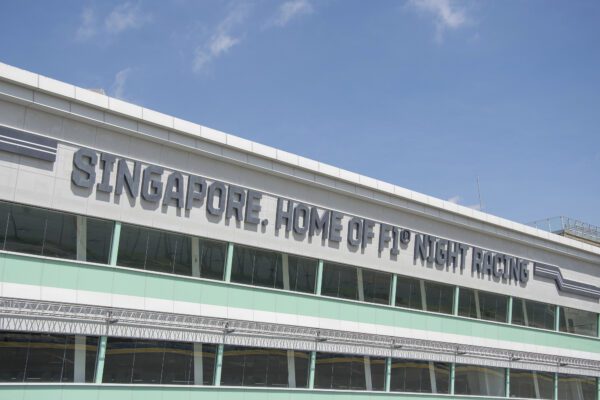
Beyond the physical layout, some tracks are exceptionally demanding on drivers’ physical endurance. The Marina Bay Street Circuit in Singapore is widely regarded as one of the most physically taxing circuits in Formula 1.
The race takes place under artificial lights in extreme tropical humidity, with cockpit temperatures often exceeding 50°C. With over 19 tight corners and a lack of long straights, drivers get minimal opportunity to rest, leading to extreme fatigue and dehydration.
Other circuits like Suzuka and Spa-Francorchamps, while modified, still require immense courage and trust in the car’s aerodynamics due to their high-speed corners, blind apexes, and rapid direction changes. Sections like the ‘Wall of Champions’ in Canada and the narrow ‘Castle Section’ in Baku are notorious traps that regularly punish even the most skilled drivers for the slightest misjudgment.
Evolution of safety: cars, circuits, and regulations
The journey of Formula 1 safety has been a continuous process of innovation and adaptation, driven by lessons learned from past tragedies. The FIA’s commitment to minimizing risk is evident in the comprehensive safety measures now integrated into every aspect of the sport.
This includes rigorous crash tests for cars, mandating advanced driver protection systems, and continuous evaluation of circuit designs.
Modern Formula 1 cars are equipped with a range of safety features, from high-strength carbon fiber monocoque chassis and roll hoops to the Halo device and wheel tethers designed to prevent tire detachment. Circuit safety has evolved from rudimentary barriers to sophisticated systems of TecPro barriers, gravel traps, and asphalt run-off areas, all designed to absorb impact energy and protect drivers.
Furthermore, race management protocols, including pit lane speed limits, the Safety Car, and the Virtual Safety Car, ensure that incidents are managed effectively to prevent further harm.
| Circuit Name | Key Characteristics / Dangers | Notable Incidents / Safety Changes |
|---|---|---|
| Nürburgring Nordschleife | 20+ km, narrow, blind crests, zero run-off, high speeds | 5 F1 driver fatalities, deemed too dangerous for F1 |
| Imola (Autodromo Enzo e Dino Ferrari) | Fast, ‘old-school’, high-speed corners (Tamburello) | Roland Ratzenberger & Ayrton Senna fatalities (1994), major safety overhaul |
| Monaco (Circuit de Monte Carlo) | Narrow streets, no run-off, concrete barriers, mentally exhausting | High collision risk, blind corners, Swimming Pool section |
| Spa-Francorchamps (old layout) | 14 km public road, very high speeds, minimal protection | Track shortened to 7 km, large run-offs, TecPro barriers |
| Monza (Autodromo Nazionale Monza) | ‘Temple of Speed’, high-speed banking | Banking removed (1960s), chicanes added to reduce speeds |
| Suzuka Circuit | Figure-eight layout, high-speed technical sections (130R) | Jules Bianchi fatality (2014), widened run-offs at 130R |
| Jeddah Corniche Circuit | High speeds (>330 km/h), barriers close to racing line | New era street circuit, challenging for drivers |
| Baku Street Circuit | High speeds, barriers close, variable grip, unpredictable weather | New era street circuit, ‘Castle Section’ notorious trap |
| Singapore (Marina Bay) | Extreme humidity, high cockpit temperatures, 19+ tight corners | Most physically demanding, causes extreme fatigue |