



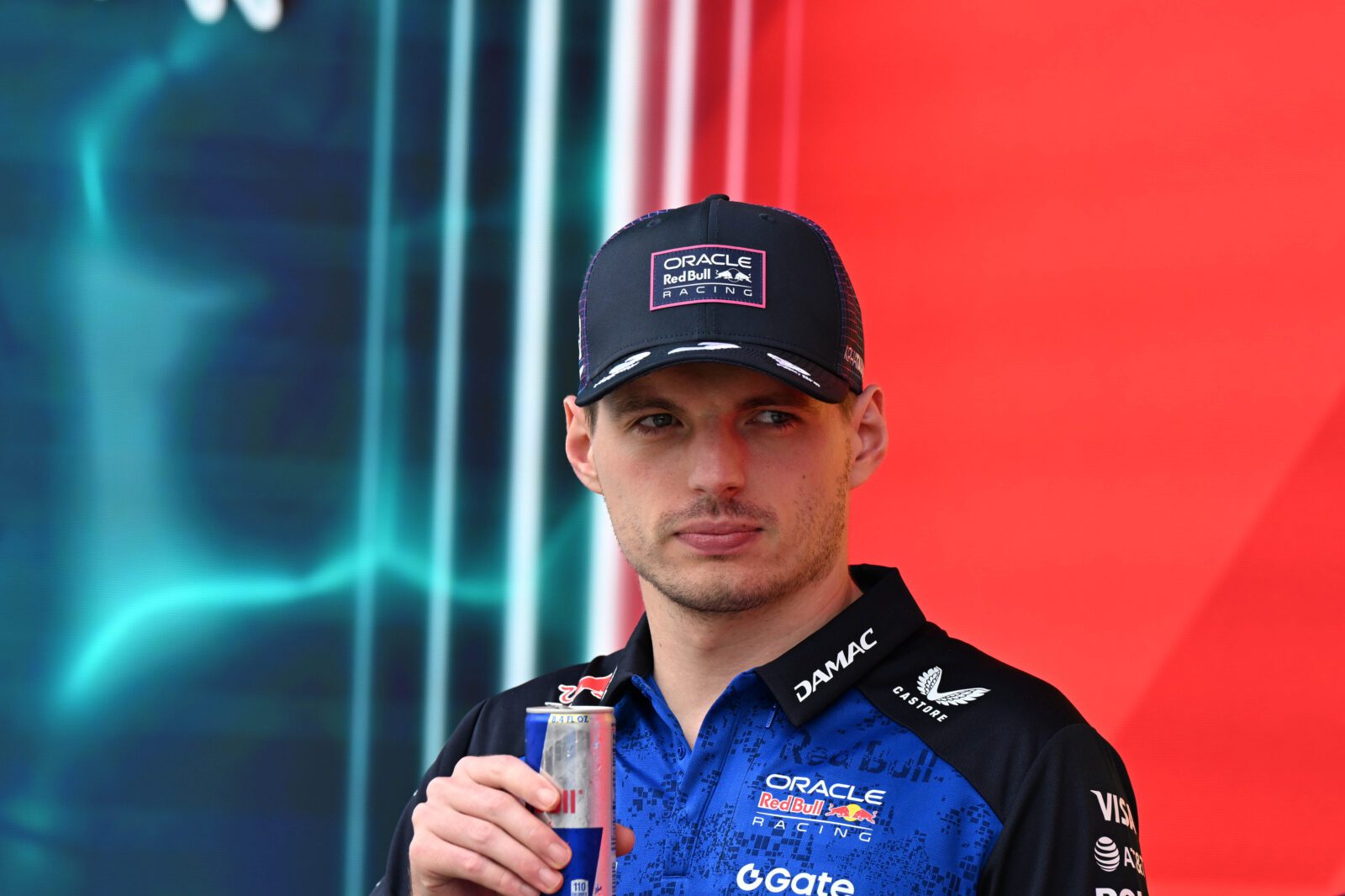
Max Verstappen has disclosed findings from recent spine scans, stating the “bottom end doesn’t look that great” following persistent concerns over the Circuit of The Americas’ bumpy surface. The Red Bull driver has labelled the track conditions “out of control” and “unacceptable” ahead of the United States Grand Prix.
Verstappen’s comments, made on October 22-23, 2026, underscore a long-standing issue at the Austin circuit. He initially made light of the situation, joking about needing a “new spine” after observing the World Endurance Championship race at COTA.
However, his stance became more serious when discussing the physical toll on drivers. Verstappen reported experiencing vertical loads exceeding 9G on his spine during the previous season, significantly higher than the typical 5-6G encountered in corners.
He attributes the exacerbated impact to the current generation of Formula 1 cars. These vehicles operate with very low ride heights, particularly during cornering and under braking, leading to more frequent bottoming out on uneven surfaces.
The Circuit of The Americas has a documented history of surface irregularities since its construction in 2012. Organisers undertook resurfacing work ahead of the 2026 United States Grand Prix, specifically on the stretch from Turn 9 to Turn 11.
Additionally, bumps on the approaches to Turns 12 and 19 received smoothing treatment. A more extensive resurfacing program was also completed before the 2022 season in response to earlier criticisms from both Formula 1 and MotoGP competitors.
The recurring problem is largely due to the circuit’s foundation on high-plasticity clay soil. This geological characteristic causes the track surface to shift and undulate with changes in weather conditions.
Reports indicate that the challenges posed by this soil type were identified during the initial construction phase. Warnings about the necessity for increased reinforcement, such as cement stabilisation, were reportedly disregarded due to cost considerations.


Circuit boss Bobby Epstein acknowledged a previously unknown “dip” at the bottom of Turn 1, stating it is not easily remedied. However, he maintained that other problematic bumps had been addressed, asserting the track is now “in really good shape.”
Other drivers have echoed Verstappen’s concerns. Lando Norris confirmed the severity of the bumps, revealing he often takes headache tablets before sessions at COTA due to the physical impact of hitting his head against the headrests.
Norris also noted that COTA’s current surface would not meet the stringent tolerances required by the FIA for newly constructed circuits. George Russell, while initially suggesting bumps are “part of racing,” later advocated for F1 tracks to be repaved every two years.
Russell highlighted that F1 cars’ extremely low ride heights, sometimes as little as 10mm from the ground at the end of straights, mean even minor undulations are significantly felt by drivers.
The FIA establishes rigorous standards for track design and safety, including surface quality, and conducts thorough inspections for circuit homologation. Grade 1 circuits, such as COTA, require re-homologation every three years.
Concerns regarding the physical impact of vertical loads on drivers’ spines, known as axial loading, have been a subject of discussion since the introduction of the current ground effect car regulations in 2022.
Max Verstappen stated: “I can tell you from the checks that I’ve done from my spine, the bottom end doesn’t look that great.”
Verstappen maintains that temporary grinding efforts are insufficient. He advocates for a comprehensive and costly overhaul of the track’s underlying structure to provide a permanent solution to the persistent bump issue.