
The 2026 Formula 1 United States Grand Prix at the Circuit of The Americas (COTA) is set to challenge teams with critical strategic decisions. Tyre management, energy deployment, and evolving track conditions are expected to be decisive factors. Teams face a close strategic choice between one-stop and two-stop races in Austin.
Williams Formula 1 Team’s Chief Trackside Engineer Paul Williams highlighted Austin’s combination of high-speed corners, elevation changes, and heavy braking zones. These elements present particular challenges under Formula 1’s new technical regulations. A softer tyre allocation will also influence both qualifying and race strategy.
Pirelli has nominated its C2 hard, C3 medium, and C4 soft compounds for the Austin event. This selection is one step softer than the C1, C2, and C3 allocation used in 2025. This marks a return to a more conventional compound range after the C1 was largely avoided by teams last season.
The C2 compound is anticipated to support longer stints, offering teams a more viable option for extended race phases. However, the typically high temperatures in Texas could increase tyre degradation. Pirelli expects tyre wear and heat to significantly shape race strategies.
The 5.513km COTA circuit features a fast opening sector followed by two slower, more technical sections. A steep climb into Turn 1 and a descent towards Turn 11 add to the demands on car balance and performance.
Austin has historically been a bumpy circuit, necessitating frequent resurfacing due to ground movement. For 2026, the section between Turns 9 and 11 has been resurfaced. Bumps approaching Turns 12 and 19 have also been smoothed.
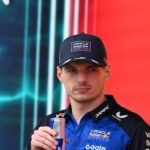
New blue track-limit lines have been introduced at most corners following numerous lap-time deletions in previous years. Max Verstappen had previously expressed concerns about the circuit’s bumps, but the recent work aims to provide a smoother ride.
The 2026 regulations introduce new considerations for managing electrical energy and active aerodynamics. These are particularly critical through Austin’s high-speed opening sector.

The new power unit regulations eliminate the MGU-H and significantly increase reliance on electrical energy. The MGU-K output rises to approximately 350kW, creating a near 50/50 split between internal combustion and electric power.
Active aerodynamics replace the traditional DRS system, allowing cars to switch between low-drag (X-mode) and high-downforce (Z-mode) configurations. This involves movable front and rear wing elements. Two Straight Mode (SM) zones are confirmed for the United States Grand Prix.
Williams identified the sequence from Turns 4 to 8 as especially demanding due to its sensitivity to wind and potential energy consumption. This section, similar to Suzuka’s opening sector, requires precise driver throttle inputs to avoid excessive energy expenditure.
Austin features two active aerodynamic zones, with the straights approaching Turns 1 and 12 being particularly sensitive to energy deployment. Drivers must actively manage energy throughout a lap, with lift-and-coast, harvesting zones, and deployment timing becoming crucial.
Weather conditions in late October Texas can vary significantly, from cold and wet to extremely hot. Falling track temperatures during sunset qualifying sessions could also influence tyre performance.
The softer Pirelli compounds could lead teams to favour them and potentially avoid using the hard tyre altogether. The circuit’s relatively smooth surface and recent resurfacing can improve grip throughout the weekend.
Tyre degradation is expected to be driven initially by overheating in the rear tyres, followed by rear tyre wear, and then wear on the front-left tyre. The first sector stresses front tyres, while the third sector generates thermal degradation on rear tyres.
Qualifying presents a challenge as the soft compound, while offering optimal single-lap performance, can be difficult to bring into its operating window before Turn 1. Insufficient grip early in the lap could compromise tyre performance.
The strong race performance anticipated from the soft compound may encourage teams to preserve fresh sets during qualifying. This could increase the risk of elimination for drivers attempting to progress with fewer tyre sets.
Williams expects a close strategic contest between one-stop and two-stop approaches. Overtaking opportunities make outright race performance particularly important. Race pace is considered 30% more rewarding than qualifying pace at Austin.
Austin is predicted to be the easiest circuit for overtaking on the 2026 calendar. This assessment could encourage teams to prioritise race setups over outright qualifying speed, especially given the benefits of conserving tyres for Sunday.
The probability of a full Safety Car deployment is estimated at 30%, with a Virtual Safety Car likelihood considerably higher at 50%. This is above the seasonal average, creating potential opportunities for strategically advantageous pit stops.
Mercedes struggled in Malaysia and Singapore but will run their latest update package on both cars in Austin. Team Principal Toto Wolff stated the team is working to understand the new car’s setup philosophy.
McLaren is also bringing new aerodynamic developments to the United States Grand Prix. Team principal Andrea Stella indicated these parts would be introduced progressively to address recent performance dips.
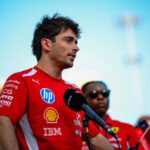
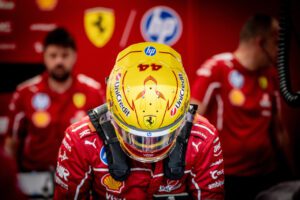
Ferrari will also introduce a raft of aerodynamic upgrades in Austin. The Scuderia will run a special livery in collaboration with HP for the Texan race.
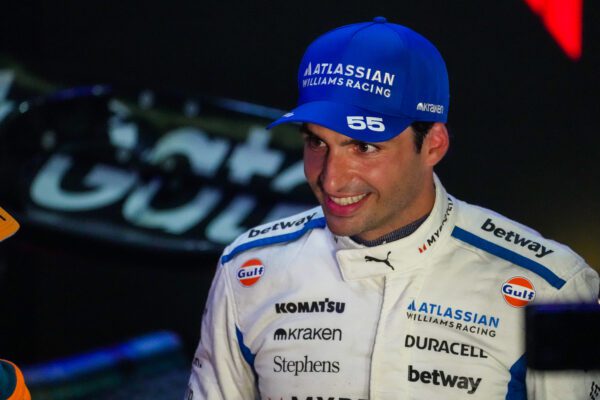
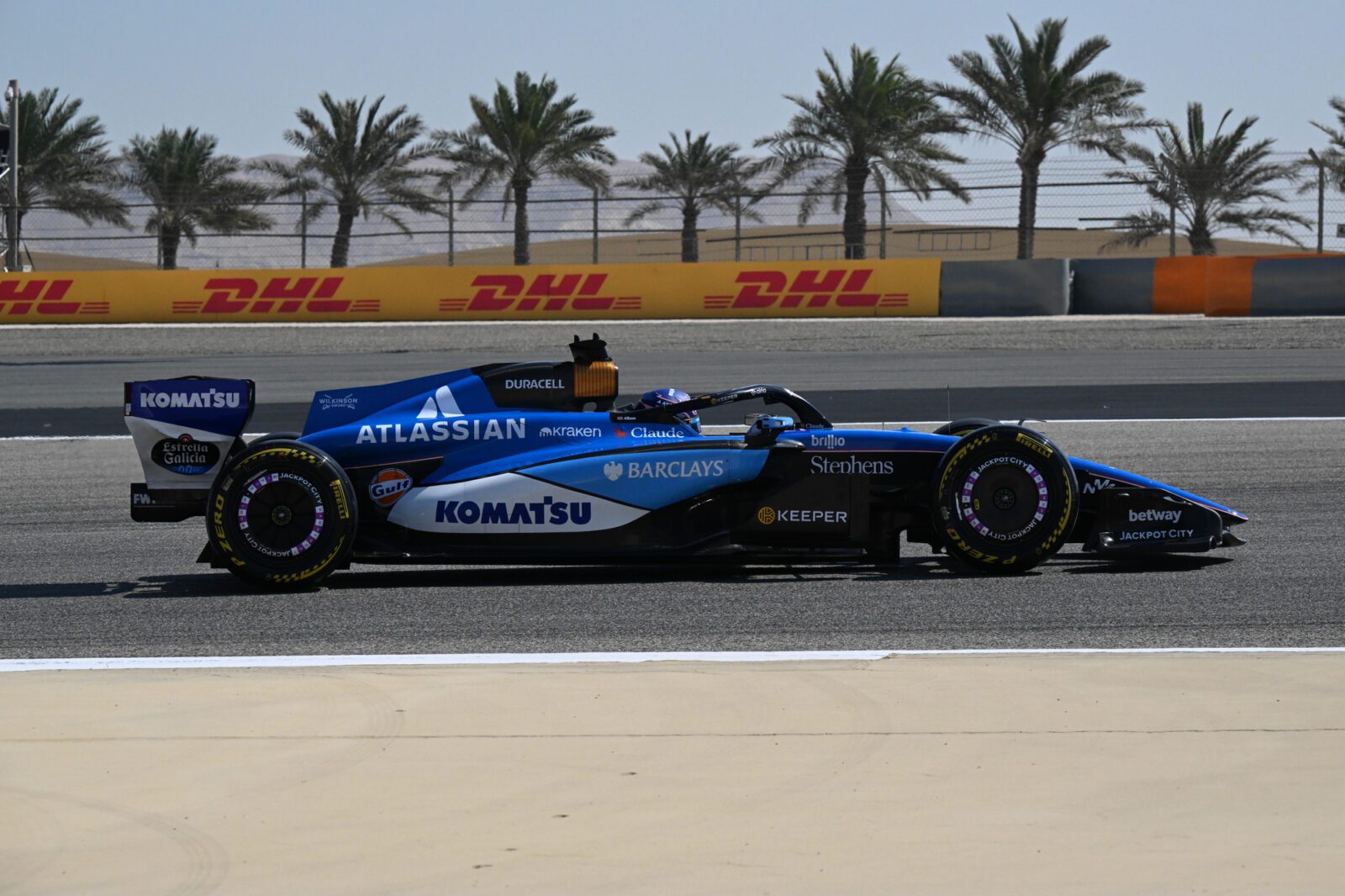
Williams has experienced a challenging 2026 season, falling short of expectations due to an overweight car and various technical issues. Despite this, Carlos Sainz and Alex Albon remain with the team.