


The Autódromo Hermanos Rodríguez, nestled in Mexico City, stands as a distinctive and demanding circuit on the Formula 1 calendar. Its unique characteristics stem primarily from its extreme elevation, which profoundly influences both car performance and driver endurance.
The track’s layout combines a formidable long straight with technical infield sections and a vibrant stadium complex, creating a spectacle unlike any other.
Originally conceived in 1953 by student Óscar Fernández as a thesis project, the circuit first hosted a non-championship Formula 1 race in 1962. It officially joined the World Championship calendar in 1963 and was later renamed in honour of Mexican racing brothers Ricardo and Pedro Rodríguez.
Following periods off the calendar due to safety concerns, a significant renovation by Hermann Tilke in 2015 brought the circuit back to Formula 1, now known as the Mexico City Grand Prix.
Circuit specifications and layout
The Autódromo Hermanos Rodríguez measures 4.304 kilometres (2.674 miles) in length and features 17 turns, comprising 10 right-handers and 7 left-handers. Despite its high altitude, it is one of Formula 1’s flatter tracks, with an elevation change of just under three metres across the entire lap.
The circuit’s design promotes high top speeds on its extensive main straight, which stretches approximately 1.3 kilometres.
The lap begins with a long run down the main straight, leading into a heavy braking zone at Turn 1, a prime overtaking spot. This is followed by the flowing Turns 2 and 3, forming an opening chicane.
The middle sector includes the high-speed Esses from Turns 7 to 11, a section demanding rhythm and precision from drivers.


A defining feature of the modern circuit is the iconic stadium section, known as Foro Sol, which encompasses Turns 12 to 15. Here, the track winds through a former baseball stadium, offering a unique atmosphere with grandstands packed close to the action.
The lap concludes with the modified Peraltada corner, Turn 16, a historic banked turn that retains much of its high-speed character before leading back onto the start-finish straight.
| Characteristic | Detail |
|---|---|
| Circuit Length | 4.304 km (2.674 miles) |
| Number of Laps | 71 |
| Race Distance | 305.354 km |
| Number of Turns | 17 |
| Circuit Altitude | 2,200 – 2,286 metres (7,218 – 7,500 ft) |
| Official Race Lap Record | 1:17.774 (Valtteri Bottas, 2021) |
| Pole Position Record | 1:14.759 (Daniel Ricciardo, 2018) |
The profound impact of high altitude
The Autódromo Hermanos Rodríguez is situated at an altitude ranging from 2,200 to 2,286 metres above sea level, making it by far the highest circuit on the Formula 1 calendar. This extreme elevation results in air density that is approximately 20-25% lower than at sea level.
This thinner air presents a unique set of engineering and physiological challenges for teams and drivers.
The reduced air density significantly impacts aerodynamic performance. Cars generate considerably less downforce, with a loss of around 25% compared to sea-level circuits.
To compensate, teams typically run maximum-downforce wing configurations, similar to those used at Monaco, yet the actual downforce generated remains equivalent to or even less than a low-downforce setup at a track like Monza.
Aerodynamic paradox and engine demands
Despite the reduced downforce, the thinner air also leads to significantly less aerodynamic drag. This allows Formula 1 cars to achieve exceptionally high top speeds on the long straights, sometimes exceeding 370 km/h, which can be faster than at Monza.
This creates an aerodynamic paradox where cars exhibit high straight-line speeds but struggle for grip in the corners.
Modern turbo-hybrid power units are designed to mitigate the effects of altitude on engine power, unlike their naturally aspirated predecessors. However, the turbochargers must work considerably harder to compress the thinner air and maintain performance levels comparable to sea level.
This increased workload places significant stress on the turbo components and generates more heat.
The 2026 Formula 1 regulations, which saw the removal of the MGU-H, further heighten the challenge for turbo operation and energy management. This change means that the turbocharger’s ability to maintain optimal performance without the MGU-H’s assistance becomes even more critical.
Engine manufacturers like Honda have highlighted the increased strain on their power units under these conditions.
Cooling and braking challenges
Cooling is arguably the biggest engineering challenge at the Mexican Grand Prix. With less dense air, the efficiency of radiators and cooling ducts is severely reduced, making it harder to dissipate heat from critical components.
The engine, brakes, gearbox, battery, and power electronics all run hotter than at other circuits.
Teams respond by opening up the car’s bodywork as much as possible, utilising larger cooling ducts, wider air intakes, and sometimes additional vents like “shark gills” on the engine cover. While these modifications increase drag, the overall penalty is less severe in the thin air, making them a necessary compromise to prevent overheating and ensure reliability.
Braking also becomes particularly demanding. Cars arrive at corners at very high speeds due to reduced drag, but the lower downforce means less grip is available for effective braking.
This combination forces drivers to use the brakes for longer durations, generating more heat, which is then harder to dissipate in the thin air. The risk of lock-ups is consequently higher, especially into Turn 1 after the long main straight.
Tyre management and driver physiology
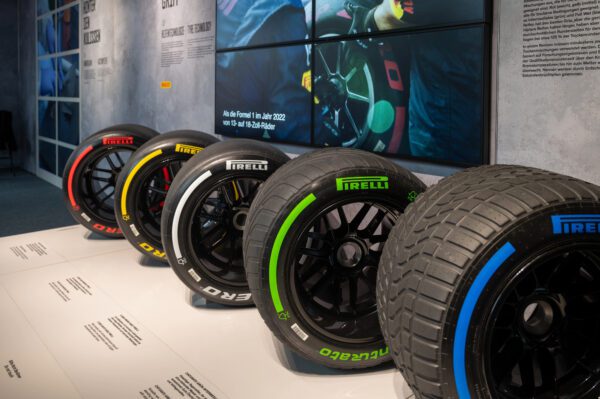
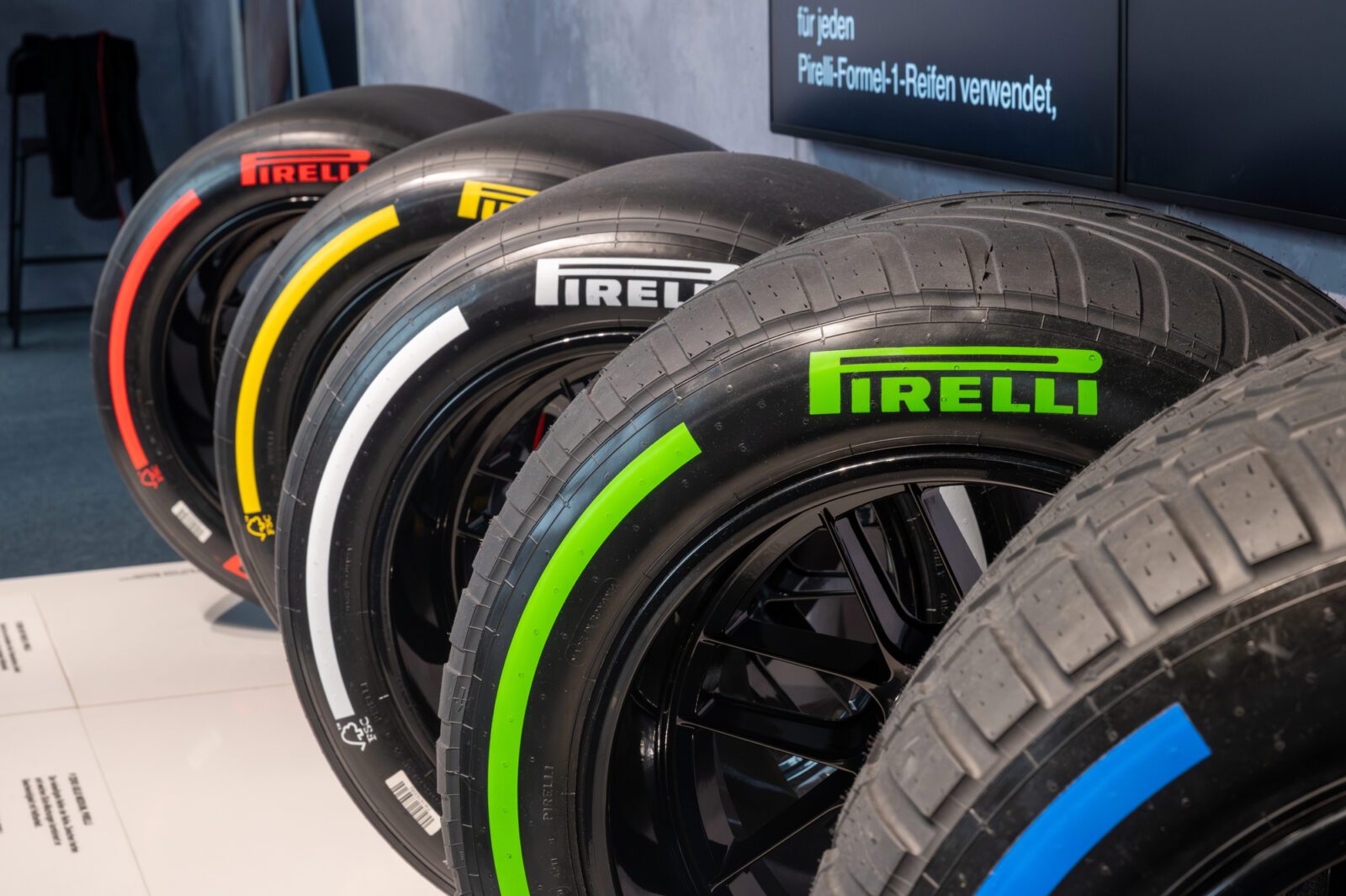
The reduced aerodynamic grip in Mexico leads to increased tyre sliding through corners, making the tyres more susceptible to graining. Pirelli typically selects the softer compounds in its range for the Mexican Grand Prix, such as the C3 (Hard), C4 (Medium), and C5 (Soft) for the 2026 event, to encourage varied strategies.
The recent resurfacing of significant portions of the track in 2026 has added an element of uncertainty to tyre behaviour and degradation.
For the drivers and team personnel, the high altitude also presents a physical challenge. The reduced oxygen levels can lead to faster fatigue and make breathing harder, both inside the cockpit and for those working in the paddock.
Drivers often undertake specific training, including acclimatisation techniques and dietary adjustments like increased iron intake, to prepare for the demanding conditions.