


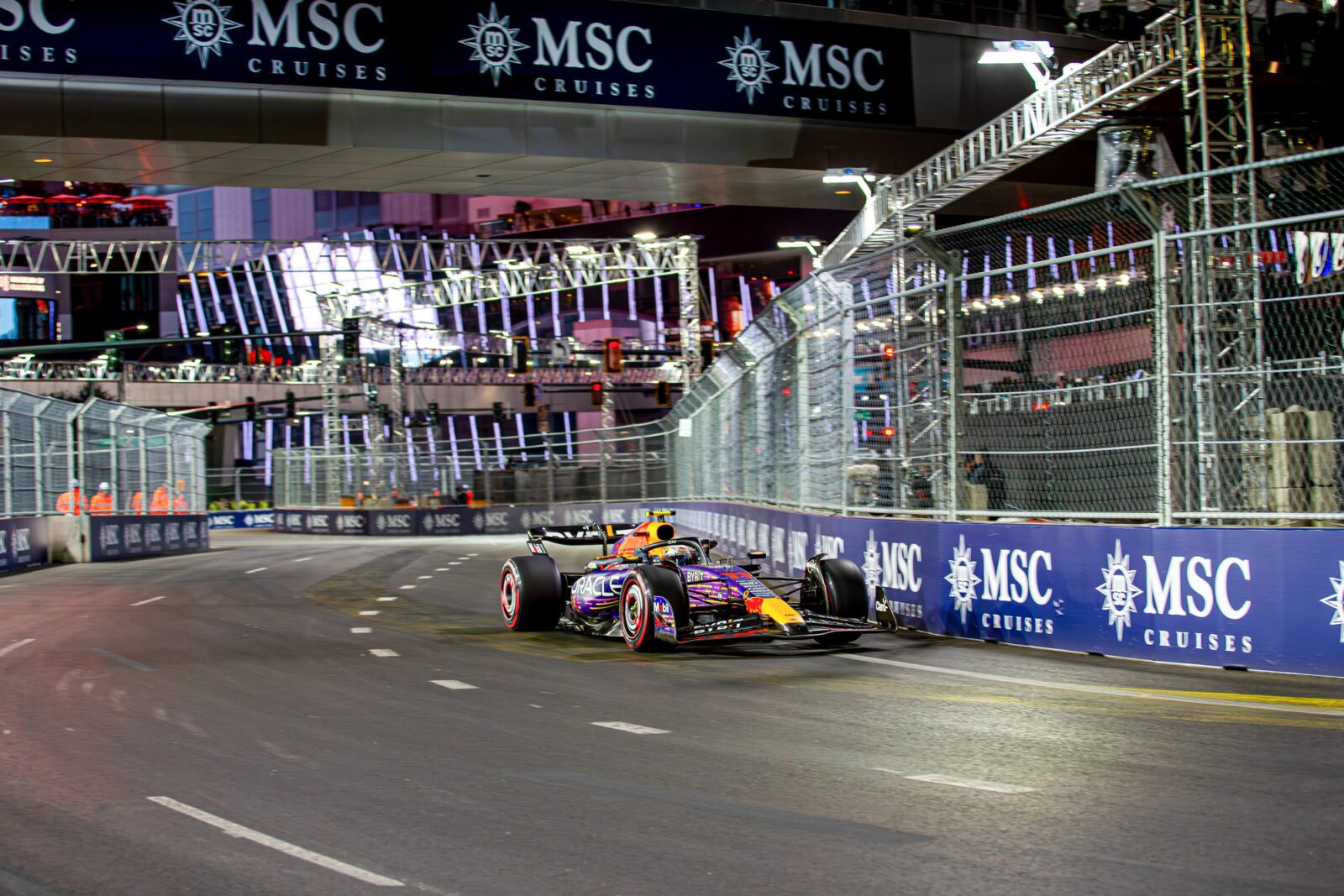
The Las Vegas Strip Circuit stands as a distinctive fixture on the Formula 1 calendar, bringing high-speed motorsport to the heart of one of the world’s most famous entertainment cities. This unique street circuit, first introduced in 2023, combines the glamour of Las Vegas with the technical demands of modern Formula 1 racing.
It presents a significant challenge for teams and drivers, requiring a specific setup to master its long straights and varied corner sequences.
The circuit runs through iconic sections of Las Vegas, including a substantial portion of the famous Strip. Its anti-clockwise layout and numerous turns contribute to a demanding race experience under the bright city lights.
Circuit layout and key features
The Las Vegas Strip Circuit measures 6.201 kilometers (3.853 miles) in length, making it one of the longer tracks on the Formula 1 calendar. Drivers navigate 17 corners throughout each lap, with the circuit running in an anti-clockwise direction.
The race itself is contested over 50 laps, covering a total distance of 309.958 kilometers (192.599 miles).
A defining characteristic of the track is its 1.9-kilometer (1.2-mile) straight along the Las Vegas Strip, where cars achieve some of the highest speeds seen all season. Other notable sections include Koval Lane, Sands Avenue, and Harmon Avenue, which weave through the city’s urban landscape.
The circuit also notably encircles the impressive MSG Sphere arena, adding to the visual spectacle.
| specification | detail |
|---|---|
| circuit length | 6.201 km (3.853 miles) |
| number of corners | 17 |
| race direction | anti-clockwise |
| number of laps | 50 |
| race distance | 309.958 km (192.599 miles) |
| first grand prix (modern) | 2023 |
| lap record | 1:33.365 (max verstappen, 2025) |
Technical demands and driver challenges
The Las Vegas Strip Circuit places a unique set of technical demands on Formula 1 cars and drivers. Its long straights necessitate a low-downforce aerodynamic setup to maximize straight-line speed, which can make the cars feel inherently unstable through the corners.
Teams must find a delicate balance between reducing drag for speed and maintaining sufficient grip for braking and cornering.
Cold ambient temperatures, particularly during the night race, pose a significant challenge for tyre warm-up and management. Drivers must work hard to generate and maintain optimal tyre temperatures, which is important for performance and avoiding lock-ups.
Specific braking zones, such as the entry into Turn 7 after a long left-hander, are particularly tricky and prone to mistakes.
Strategic elements and overtaking opportunities
The circuit’s design incorporates several sections conducive to overtaking, primarily due to its extensive straights. There are three designated Straight Mode zones where drivers can utilize their car’s lower-drag configuration to gain speed.
These zones are located between Turns 4 and 5, along the lengthy section between Turns 12 and 14 on the Strip, and on the approach to Turn 17.
Turn 14, at the end of the main Las Vegas Strip straight, is widely considered one of the best overtaking opportunities on the track. A strong exit from Turn 12 is also critical, as it allows drivers to build momentum for the subsequent long run down Las Vegas Boulevard.
Overtake Mode, which replaces DRS, provides an additional power boost for drivers in specific areas, further enhancing strategic possibilities.
The unique las vegas Grand Prix experience
The Las Vegas Grand Prix is renowned for its spectacular night race format, transforming the city’s already vibrant skyline into an unparalleled motorsport backdrop. Formula 1 itself made a significant investment in the event, including purchasing land for permanent pit and paddock facilities.
This commitment underscores the importance of the race to the sport’s expansion in the United States.
The circuit was designed by Tilke GmbH, with Carsten Tilke leading the project, ensuring a layout that blends high-speed sections with challenging street circuit characteristics. Racing past iconic landmarks such as Caesars Palace, the Bellagio, and the Venetian creates a truly immersive and visually stunning experience for both drivers and spectators.
The semi-permanent nature of the track, integrating public roads with purpose-built sections, adds to its distinctive character.
Race history and notable performances
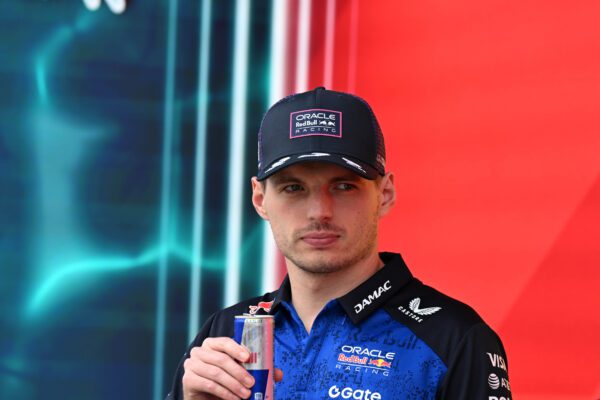
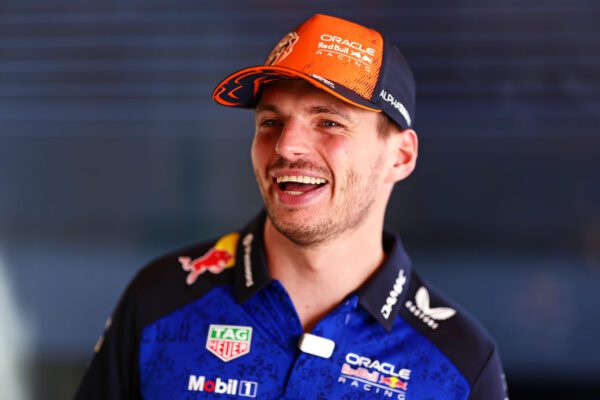
The modern Las Vegas Grand Prix debuted in 2023, marking Formula 1’s return to the city after a hiatus of over 40 years, following the Caesars Palace Grands Prix of the early 1980s. The inaugural race on the Las Vegas Strip Circuit was won by Max Verstappen.
He secured another victory in 2025, establishing himself as a two-time winner at this venue.
George Russell also claimed a victory at the Las Vegas Grand Prix in 2024, adding his name to the list of winners on this challenging street circuit. The current race lap record stands at 1:33.365, set by Max Verstappen in 2025.
The event has quickly become a highlight of the Formula 1 calendar, celebrated for its unique blend of high-speed racing and entertainment.