



Formula 1’s rich history is punctuated by a fascinating array of circuits, some of which stand out for their sheer peculiarity or unconventional nature. While modern Formula 1 largely adheres to purpose-built tracks and carefully designed street circuits, the sport’s early decades, and even some more recent ventures, saw races held in truly bizarre locations.
These unusual venues often presented unique challenges for drivers and teams, ranging from melting track surfaces to layouts that were fundamentally unsuited for the rapidly evolving machinery of Grand Prix racing.
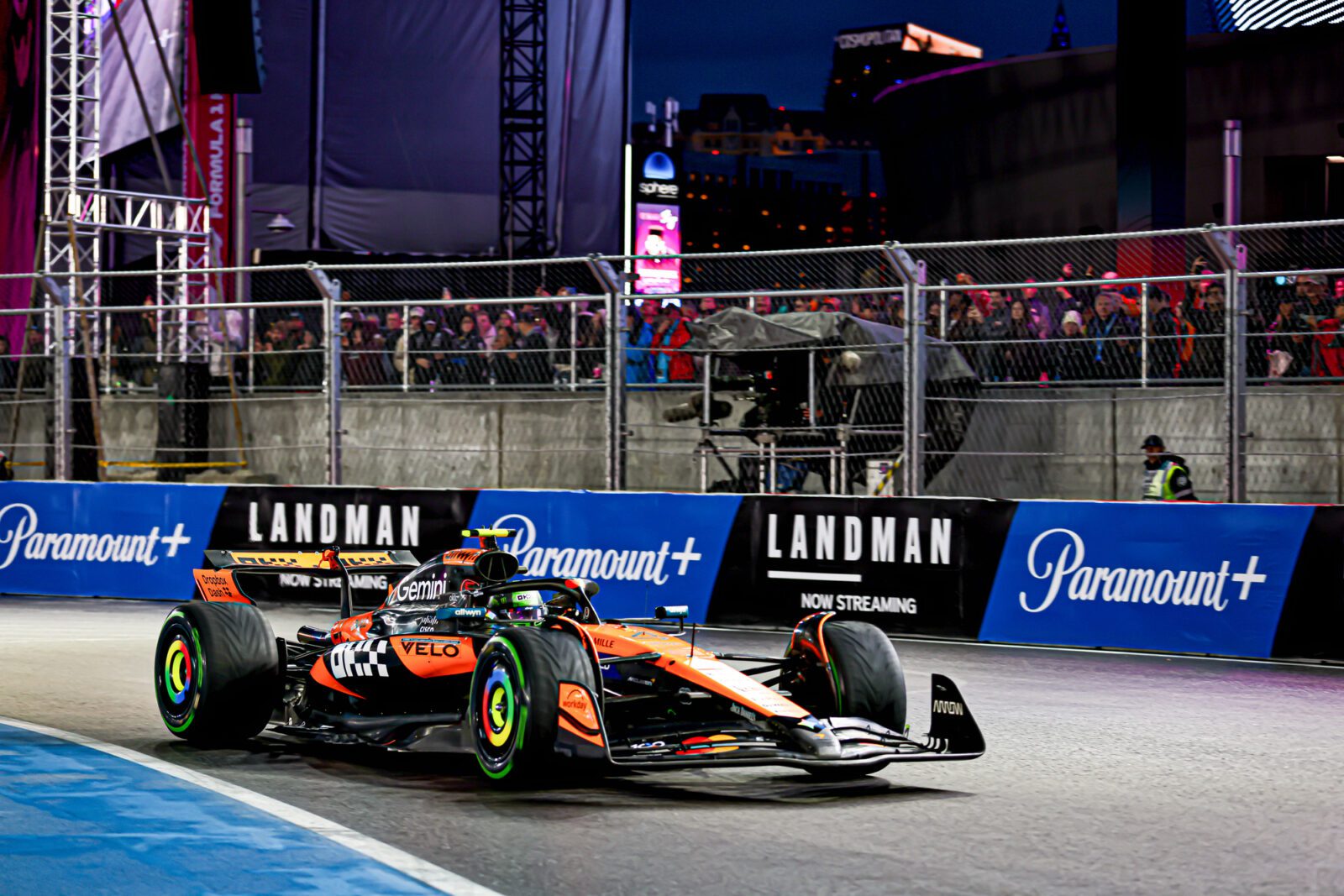
The caesars palace Grand Prix: a car park spectacle
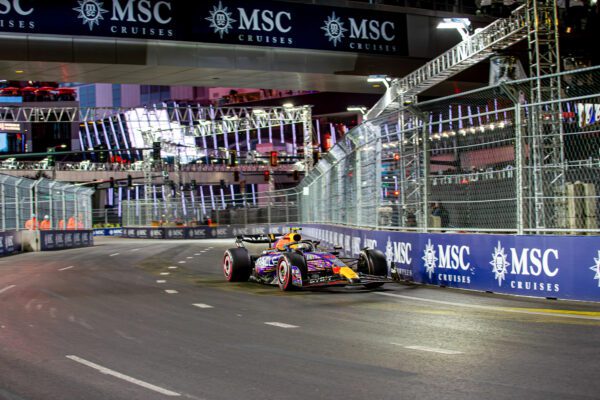
One of the most infamous examples of an unusual Formula 1 venue is the Caesars Palace Grand Prix, held in Las Vegas in 1981 and 1982. This circuit was literally constructed in the car park of the famous Caesars Palace Hotel, creating an E-shaped layout that was widely unpopular with drivers.
The combination of the scorching Nevada desert heat and the circuit’s repetitive, stop-start configuration made for a physically demanding and uninspiring race. Despite its short two-year stint, it remains a curious chapter in Formula 1’s attempts to establish a foothold in the United States.
Avus: the autobahn with a terrifying banking
Germany’s AVUS circuit, an acronym for Automobil-Verkehrs- und Übungsstraße, hosted the German Grand Prix just once in 1959, but its layout was undeniably one of the strangest. Essentially comprising two long motorway straights connected by hairpins, one of which featured terrifyingly steep banking, it was a high-speed, high-risk affair.
The north turn’s banking was a trademark feature, but the overall configuration of blasting up one side of a motorway and down the other was far from ideal for Grand Prix racing. The circuit’s inherent danger ultimately limited its Formula 1 tenure.
Pescara: the longest and most dangerous road course
The Pescara Circuit in Italy holds the distinction of being the longest track ever to host a Formula 1 Grand Prix, stretching an incredible 25.8 kilometres (16 miles) across public roads. This monstrous road course, winding along the Adriatic coastline and through several villages, hosted a single world championship race in 1957.
Its immense length, combined with fast straights, narrow sections, and a complete lack of modern safety features, made it exceptionally dangerous. The 1957 Pescara Grand Prix, won by Stirling Moss, was a one-off event, with the circuit never returning to the calendar due to its inherent hazards.

Nürburgring nordschleife: the green hell’s unforgiving challenge
While revered by many as the ultimate test of a driver, the original Nürburgring Nordschleife, affectionately known as the ‘Green Hell’, was undeniably an unusual and terrifying circuit for Formula 1. Its 22.8-kilometre (14.1-mile) layout through Germany’s Eifel mountains featured over 170 corners, dramatic elevation changes, and minimal run-off areas.
Formula 1 cars raced here until 1976, when Niki Lauda’s near-fatal accident highlighted its unsuitability for the sport’s ever-increasing speeds and safety demands. The Nordschleife’s legendary status is intertwined with its extreme challenge and the constant flirtation with tragedy it presented.
Other notable unconventional venues
Beyond these prominent examples, several other circuits have left their mark as unusual Grand Prix locations. The Zeltweg Airfield in Austria, a former air base, hosted the 1964 Austrian Grand Prix on a makeshift track with a rough concrete surface that was particularly hard on the cars.
Its flat, unexciting layout and the need for 105 laps to meet race distance requirements made it a forgettable one-off.
The Ain-Diab Circuit in Morocco, which hosted the 1958 Moroccan Grand Prix, was a road course with long periods of flat-out driving, unusually located partly alongside the Atlantic Ocean. Similarly, the Montjuïc Circuit in Barcelona was a challenging street track known for its fast and flowing sections interspersed with a twisty middle, ultimately deemed too dangerous after four races in the late 1960s and early 1970s.
Even iconic venues like Monaco, despite its enduring presence, are considered strange due to their narrow, short, and unforgiving street layouts that are fundamentally unsuited for modern Formula 1 cars, often leading to processional racing. The Dallas Grand Prix in 1984 is remembered for its track surface literally melting in the Texan heat, creating treacherous conditions for the drivers.
Modern oddities and hybrid circuits
More recently, Formula 1 has continued to explore unconventional settings, albeit with modern safety standards. The Valencia Street Circuit, which hosted the European Grand Prix from 2008 to 2012, was a modern oddity combining elements of a street circuit with a permanent course, featuring garages built in a fish market and a swing bridge that had to be asphalted shut for the race.
The Baku City Circuit in Azerbaijan, a current fixture on the calendar, presents a unique challenge with its incredibly narrow section winding through the ancient Old City walls, contrasting sharply with long, high-speed straights. The Madring circuit in Madrid, which debuted in 2026, is a hybrid of temporary and permanent sections, featuring a distinctive banked corner and the sport’s first covered paddock.
a table of unusual formula 1 circuits
| Circuit Name | Location | Years Hosted F1 | Key Characteristic |
|---|---|---|---|
| Caesars Palace Grand Prix Circuit | Las Vegas, USA | 1981-1982 | E-shaped track in a hotel car park |
| AVUS | Berlin, Germany | 1959 | Motorway straights with steep banked hairpins |
| Pescara Circuit | Pescara, Italy | 1957 | Longest F1 track (25.8 km) on public roads |
| Nürburgring Nordschleife | Nürburg, Germany | 1950-1976 (various years) | 22.8 km ‘Green Hell’ with over 170 corners |
| Zeltweg Airfield | Zeltweg, Austria | 1964 | Makeshift track on a rough concrete airfield |
| Ain-Diab Circuit | Casablanca, Morocco | 1958 | Road course partly alongside the Atlantic Ocean |
| Montjuïc Circuit | Barcelona, Spain | 1969, 1971, 1973, 1975 | Dangerous street circuit with fast and twisty sections |
| Dallas Grand Prix (Fair Park) | Dallas, USA | 1984 | Melting track surface due to extreme heat |
| Valencia Street Circuit | Valencia, Spain | 2008-2012 | Hybrid street circuit with garages in a fish market |