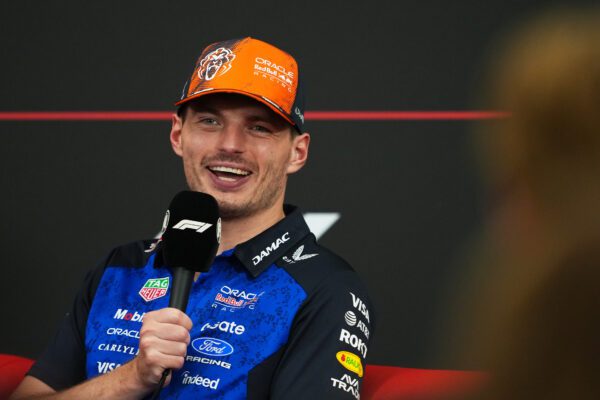



Laurent Mekies, Team Principal and CEO of Oracle Red Bull Racing, has expressed confidence in the FIA’s safety assessments for the upcoming Formula 1 Grands Prix in Qatar and Abu Dhabi. The races are scheduled for November 29 and December 6, 2026, respectively.
Mekies stated that the sport trusts the FIA and Formula 1 to approach the serious subject of regional security with the utmost thoroughness. He emphasised that both organisations utilise all available information to guide their decisions.
We have actual confidence in the FIA and F1. It is a serious subject, and you must approach a serious subject in the most serious way. It is the FIA and F1’s job to tackle this in the most thorough way, with all available information, and to give us direction. Therefore, as we do not put in the same efforts as them in assessing the situations, we fully trust them to make the right decision. History has shown they have made most of these decisions very correctly in the past.
James Vowles, Team Principal at Williams, supported Mekies’ stance. Vowles confirmed that F1 and the FIA have kept teams well-informed, detailing contingency plans, including ‘Plan B’ and ‘Plan C’.
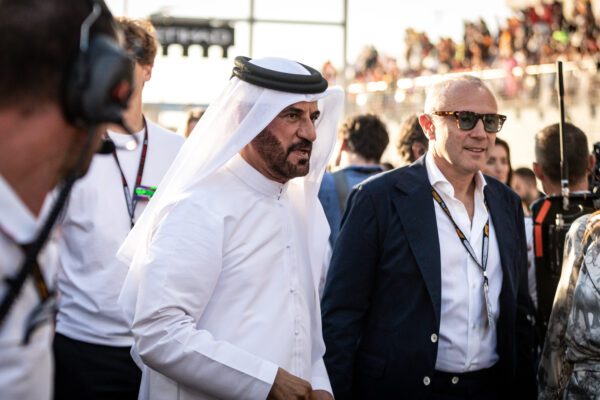
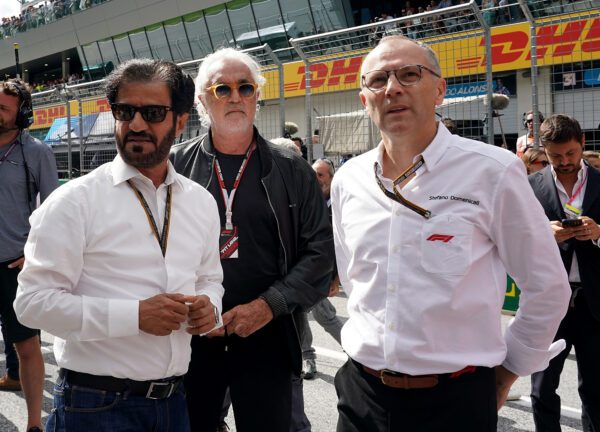
The FIA, led by President Mohammed Ben Sulayem, has conducted comprehensive security assessments for both the Qatar and Abu Dhabi events. Ben Sulayem affirmed that the FIA would not send personnel or competitors to any location deemed unsafe.
F1 CEO Stefano Domenicali has also reiterated the sport’s reliance on continuous intelligence gathering and expert advice for event security. This approach underpins the decision to proceed with the final two races of the 2026 season.
Despite these assurances, the UK government continues to issue travel warnings for Qatar and the United Arab Emirates. These warnings cite possible flight cancellations, airspace closures, and general security risks. Germany’s Federal Foreign Office advises against travel to Qatar due to a volatile regional situation.
Regional tensions have been a factor throughout 2026, with a ballistic missile strike impacting Saudi Aramco’s headquarters in Dhahran, approximately 164 kilometres from the Lusail International Circuit, in October. Additionally, US warnings about potential renewed military action against Iran after the American midterm elections have created an uneasy backdrop for the upcoming events.

In response to the security landscape, the Lusail International Circuit in Qatar has implemented enhanced security protocols. These include increased perimeter surveillance and stricter entry regulations for spectators and personnel.
Similarly, the Yas Marina Circuit in Abu Dhabi has introduced additional layers of security. The circuit is coordinating closely with international and local agencies to ensure the safety of the event.
The Formula 1 position contrasts with that of MotoGP. Several MotoGP riders, reportedly 19 out of 22, expressed opposition to racing in Qatar. Yamaha officially withdrew from the 2026 Qatar Grand Prix due to company-wide travel restrictions and safety concerns.
The 2026 MotoGP Qatar Grand Prix, originally scheduled for April, was postponed to November 6-8 due to the US-Israeli war against Iran. This highlights the differing risk assessments and responses by various motorsport governing bodies.