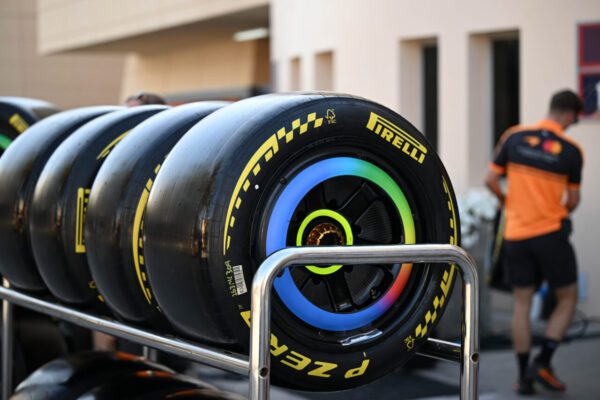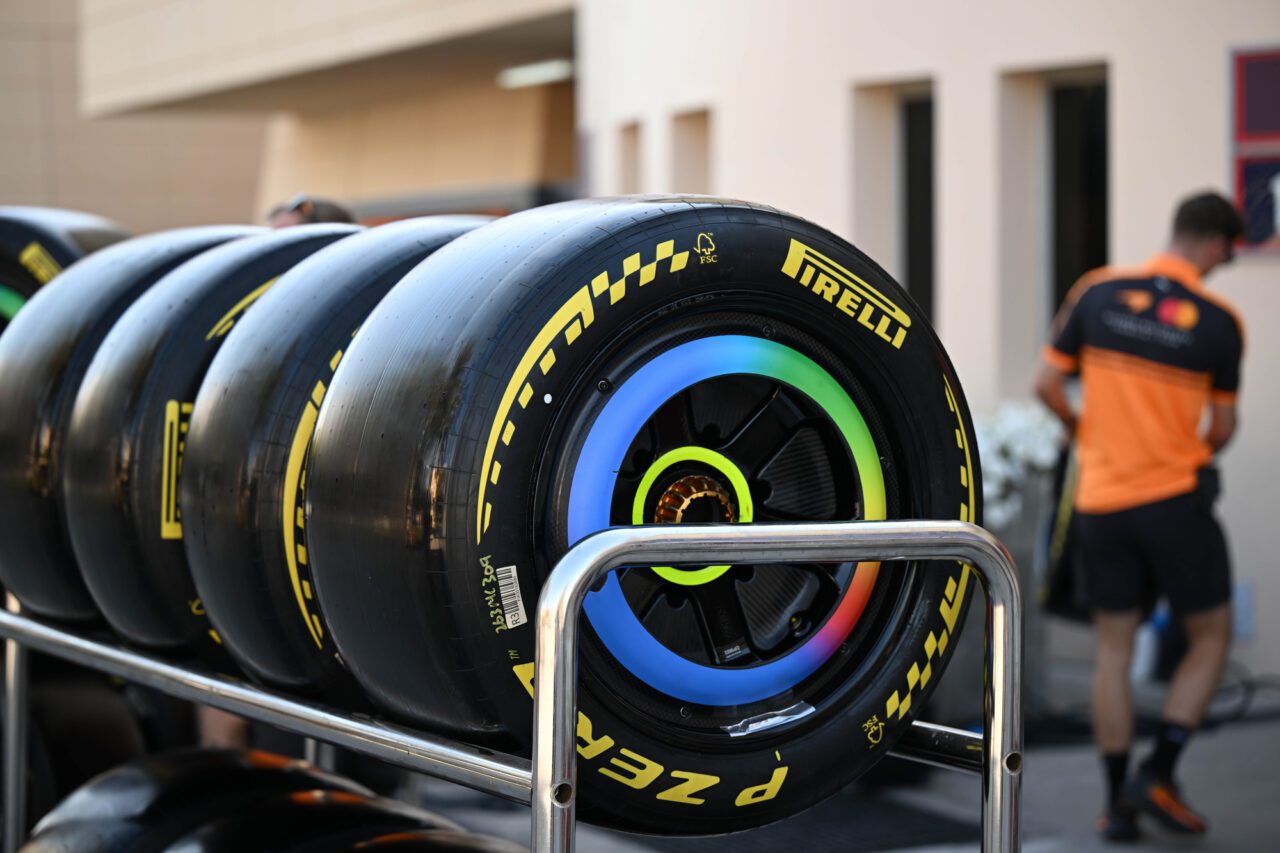
Formula 1 teams receive a specific allocation of tires from sole supplier Pirelli for each Grand Prix weekend. This allocation is meticulously managed across practice, qualifying, and the race to optimize performance and strategy.
The 2026 season introduces new tire dimensions, with narrower front and rear treads, alongside a refined range of compounds.
Pirelli remains the exclusive tire supplier for Formula 1 until at least the end of the 2028 season. The Italian manufacturer provides five dry-weather slick compounds, designated C1 (hardest) through to C5 (softest), along with intermediate and full wet tires for varying wet conditions.
Pirelli’s 2026 tire range and specifications
For the 2026 Formula 1 season, Pirelli offers a range of five slick compounds, from C1 as the hardest to C5 as the softest. These compounds are designed to provide a wider and more consistent performance gap between each option, encouraging diverse race strategies.
At each Grand Prix, Pirelli selects three specific dry compounds from this range, which are then designated as hard, medium, and soft for that particular event. These are visually identified by white, yellow, and red sidewall markings, respectively.
The 2026 regulations also bring changes to tire dimensions, with the 18-inch wheel rim diameter remaining constant. However, the tread width is reduced by 25mm at the front and 30mm at the rear compared to 2025 specifications.
The total diameter is also 15mm less at the front and 10mm less at the rear, contributing to lighter and more agile cars.
Standard tire allocation for Grand Prix weekends
For a standard Formula 1 Grand Prix weekend, each driver is allocated a total of 13 sets of dry-weather slick tires. This allocation typically comprises two sets of the hard compound, three sets of the medium compound, and eight sets of the soft compound.


In addition to the dry tires, drivers also receive wet-weather tires. The standard allocation includes five sets of intermediate tires and two sets of full wet tires, which are available for use if conditions require them.
Teams must strategically manage these allocated tire sets throughout the weekend, as using too many soft compounds during practice can leave them short for qualifying or the race. The specific compounds chosen by Pirelli for each event are based on track characteristics and expected climate conditions.
| Tire Type | Compound | Allocation per Driver (Standard GP) |
|---|---|---|
| Dry | Hard (White) | 2 sets |
| Dry | Medium (Yellow) | 3 sets |
| Dry | Soft (Red) | 8 sets |
| Wet | Intermediate (Green) | 5 sets |
| Wet | Full Wet (Blue) | 2 sets |
Tire management during practice and qualifying
During the practice sessions, drivers are limited in their use of dry tires, with certain sets required to be returned to Pirelli after each session. This process ensures teams cannot simply use an unlimited number of fresh tires.
For qualifying, teams generally prioritize the softest available compound to achieve the fastest lap times. An additional set of soft tires is reserved specifically for drivers who reach the third qualifying segment (Q3), providing them with extra flexibility for their pole position attempts.
Since 2022, drivers are no longer mandated to start the race on the tire compound with which they set their fastest Q2 time. This rule change provides teams with greater strategic freedom for the race start.
Race day tire strategy and mandatory pit stops
In a dry Formula 1 Grand Prix, sporting regulations mandate that each car must use at least two different dry tire compounds during the race. This rule effectively forces every driver to make a minimum of one pit stop to change tires.
The choice of compounds and the timing of pit stops are critical strategic decisions, influenced by factors such as tire degradation, track conditions, and the potential for safety car periods. The narrower and lighter 2026 tires are expected to increase degradation, potentially favoring two-stop strategies.
Teams must balance the performance advantage of softer, faster-wearing tires against the durability of harder compounds. The performance gap between compounds is designed to be wider and more consistent in 2026, further influencing strategic choices.
Wet weather tire rules and allocations
Formula 1 features two types of wet-weather tires: intermediates and full wets. Intermediate tires, marked with a green band, are designed for damp tracks or light standing water.
Full wet tires, distinguished by a blue band, are for heavy rain and significant standing water. If a session is declared wet, drivers have a free choice between intermediate and full wet tires, or even slick tires if track conditions permit.
The total number of wet-weather sets allocated for a standard Grand Prix weekend is seven, comprising five intermediate and two full wet sets. These tires are crucial for driver safety and maintaining competitive racing in inclement conditions.
Sprint weekend tire allocation and regulations
For weekends that include a Sprint race, the tire allocation differs from a standard Grand Prix format. On these specific weekends, the dry tire allocation is reduced from 13 sets to 12 sets per driver.
The typical breakdown for a Sprint weekend’s dry allocation is two sets of hard, four sets of medium, and six sets of soft compounds. Sprint qualifying sessions also have specific tire mandates, with medium tires required for SQ1 and SQ2, and soft tires for SQ3.
These adjusted allocations and mandated tire usages for Sprint weekends add another layer of strategic complexity for teams. The aim is to reduce the overall number of tires brought to events while still promoting varied strategies.