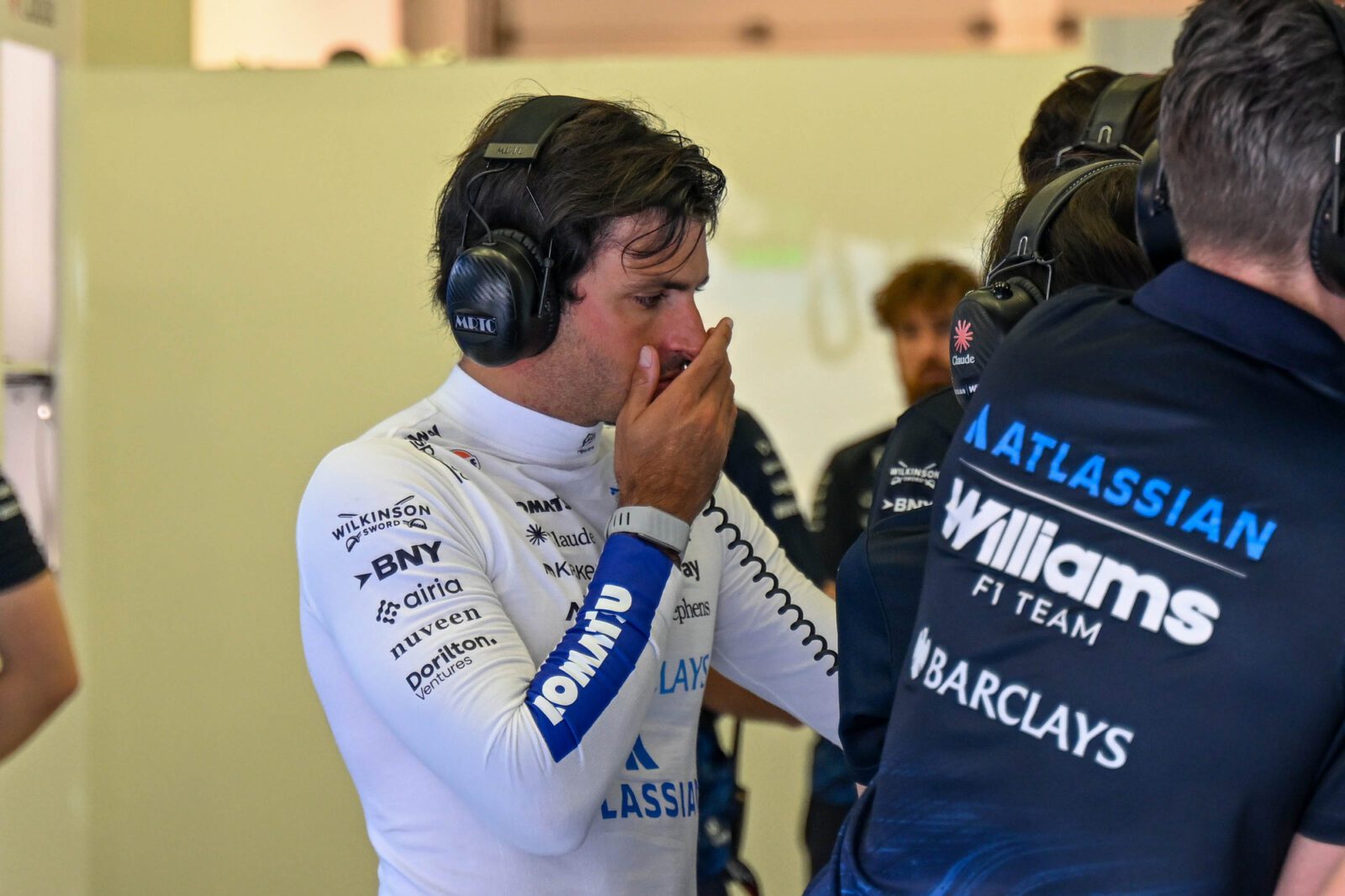
Tyre degradation, energy management, and pit stop timing are set to be decisive factors at this weekend’s Qatar Grand Prix. The penultimate round of the 2026 season will be a mandatory two-stop race for all drivers due to a 27-lap limit imposed on each set of tyres.
Insights from Williams’ Chief Trackside Engineer, Paul Williams, have highlighted the specific technical hurdles awaiting the teams at the Lusail International Circuit. The high-speed nature of the track places enormous strain on the tyres, particularly the front-left.
Williams detailed the unique layout of the 5.419km circuit, which is dominated by medium and high-speed corners. Many of these corners feature positive camber, encouraging high entry speeds and sustained lateral loads on the cars.
“The triple right-hand apex sequence from Turn 12 to T14 is taken almost flat, and the heavy bias towards fast right-hand corners puts a lot of load through the front-left tyre.”
The track features a single main straight of around one kilometre, making Turn 1 the primary overtaking opportunity. With qualifying and the race held in the evening, the daytime practice sessions of FP1 and FP3 are considered less representative of race conditions.
Adding to the challenge are the circuit’s aggressive pyramid-style kerbs, which pose a risk of damage to both cars and tyres. Track limits are also expected to be a significant factor, with four corners identified as potential trouble spots.
The 2026 regulations introduce further complexity, particularly concerning energy management. Four Straight Line Mode (SLM) zones will be available in dry conditions, with one of these being exclusive to dry running.
“The number of high-speed corners makes this a very challenging circuit for energy management,” Williams stated. “Teams will need to be precise with how they use the power unit through Turn 9 and the T12 to T15 sequence.”

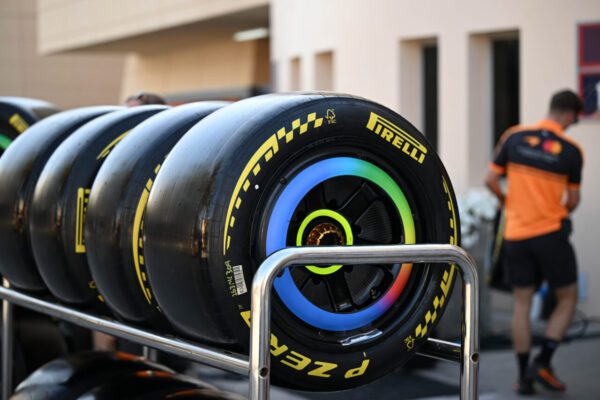
Pirelli has brought its three hardest compounds to Qatar: the C1 Hard, C2 Medium, and C3 Soft. Williams anticipates a difficult balancing act during qualifying to manage tyre temperatures effectively across the car.
“The soft is not a clear first-timed-lap tyre,” Williams explained. “The front-right struggles to warm up while the front-left and rear-left overheat through the lap, so we expect a hard out-lap for warm-up and a double cool-down lap to reset the rear temperatures.”
For the race, the front-left tyre will be the main limitation, first through overheating and then through wear. The soft tyre carries a graining risk, while the medium is also expected to suffer from high wear rates.
Despite Pirelli increasing the maximum tyre usage from 25 to 27 laps compared to 2025, the restriction prevents teams from attempting what would theoretically be the fastest one-stop strategy. This makes the Grand Prix a compulsory two-stop event.
The medium and hard compounds are expected to be the preferred choices for the race. Any driver starting on the soft tyre will likely make an early first pit stop before making their final stop as soon as legally possible on lap 30.
The timing of any race interruption could also be crucial, with Williams noting that Safety Cars have appeared in 75% of previous Qatar Grands Prix. A Safety Car between laps 3 and 25 would likely trigger first stops for those yet to pit.
Similarly, any interruption from lap 30 onwards would see drivers who still need to make their final stop dive into the pits. With dry conditions and temperatures around 22 degrees Celsius forecast, tyre management and strategy execution will be paramount.