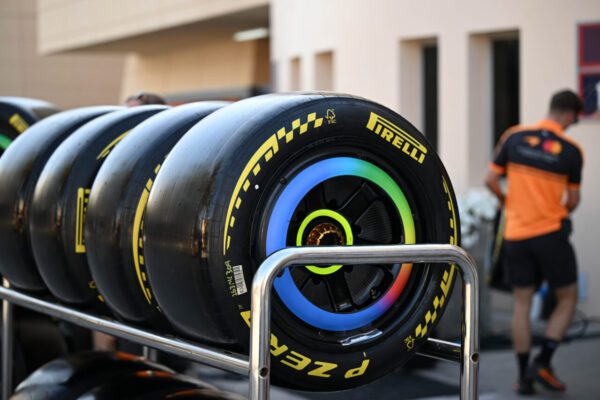
Formula 1 tires are highly specialized components, engineered to deliver extreme levels of grip. This design contrasts sharply with conventional road tires, which prioritize longevity.
The construction involves very soft rubber compounds, which are essential for maximizing the tire’s contact patch with the track. This ‘stickiness’ is what allows Formula 1 cars to achieve their incredible cornering speeds.
However, this soft composition inherently leads to rapid wear and degradation during intense racing conditions. Road tires, conversely, are made from harder compounds that operate at cooler temperatures and offer extended lifespans.
A typical Formula 1 tire is designed to last for only a fraction of a road tire’s mileage. They often endure between 10 to 50 laps, or approximately 100 kilometers, before their performance significantly drops.
This short operational window is a deliberate design specification from the sport’s governing body, the FIA. The intention is to introduce strategic variables into races, encouraging pit stops and diverse tactical approaches.
The precise chemical makeup of these compounds is a closely guarded secret, but they contain a higher proportion of synthetic rubbers. This blend provides increased strength, heat resistance, and consistent grip under extreme forces.
Thermal degradation and its impact on performance
Tyre degradation is a multifaceted process describing the gradual decline in a tire’s performance and grip. This phenomenon is a critical factor influencing race strategy, lap times, and overall outcomes.
Thermal degradation specifically occurs when the tire rubber overheats, causing a fundamental change in its material properties. The compound becomes harder and less pliable, significantly reducing its adhesion to the track surface.


This hardening effect directly translates to a smaller contact patch and a substantial loss of grip. Tires are engineered to perform optimally within a specific temperature range, known as the working window.
Operating outside this window, either too cold or too hot, results in a marked reduction in grip. If the rubber is too cold, it becomes stiff and less effective, while excessive heat causes its modulus to decrease.
Overheating can also lead to blistering, a condition where the tire surface ruptures due to intense thermal energy. This creates a ‘greasy’ feel on the tire, further diminishing grip and exacerbating the degradation cycle.
The constant sliding of tires during cornering, braking, and acceleration generates considerable friction, which directly contributes to heat buildup. High ambient and track temperatures further accelerate this thermal degradation process.
Drivers must employ precise tire management techniques to keep the compounds within their optimal working range. Aggressive driving styles, such as harsh braking or excessive sliding, rapidly increase tire temperatures and accelerate degradation.
Mechanical degradation and tire wear
Mechanical degradation refers to the physical loss of rubber from the tire tread. This process is a direct consequence of the tire sliding across the abrasive track surface.
Abrasion is the most common form of wear, where microscopic portions of rubber are continuously scraped away. This results in a uniform pattern of ridges and spots on the tire surface, often termed ‘normal’ wear.
Another significant form of mechanical degradation is graining, which manifests as small balls of rubber accumulating on the tire surface. Graining occurs when the tire slides, causing temporary loss of grip and vibrations through the steering wheel.
Typically, graining is a temporary issue that can ‘clean up’ after several laps as the accumulated rubber detaches. The inherent abrasiveness of different track surfaces plays a substantial role in the rate of wear degradation.
Circuits known for their rough asphalt, such as Silverstone or Suzuka, are particularly demanding on tire longevity. Conversely, smoother track surfaces can help to extend the lifespan of the tires.
Car setup parameters, including camber angles, ride height, and aerodynamic downforce distribution, directly influence tire wear. Lower downforce configurations can increase tire sliding, leading to higher surface friction and accelerated wear.
Conversely, higher downforce helps to press the tire into the track, distributing heat more evenly throughout the tire structure rather than concentrating it on the surface. This internal heating can reduce surface wear, but still contributes to overall degradation.
The weight of the car, particularly with a full fuel load at the start of a race, and the overall pace maintained during a stint, also intensify the forces on the tires. These factors collectively contribute to the rapid physical deterioration of the rubber.
Pirelli’s role and tire compounds in Formula 1
Pirelli has served as the exclusive tire supplier for Formula 1 since the 2011 season. This long-standing partnership is set to continue until at least the end of the 2027 campaign.
The decision to have a single tire manufacturer was driven by the FIA’s objectives to reduce costs and ensure a level playing field across all teams. Pirelli is tasked with designing tires that meet specific performance and degradation targets.
A key requirement from the FIA has been the deliberate introduction of high tire degradation. This design philosophy is intended to create more dynamic race strategies and increase the spectacle for fans.
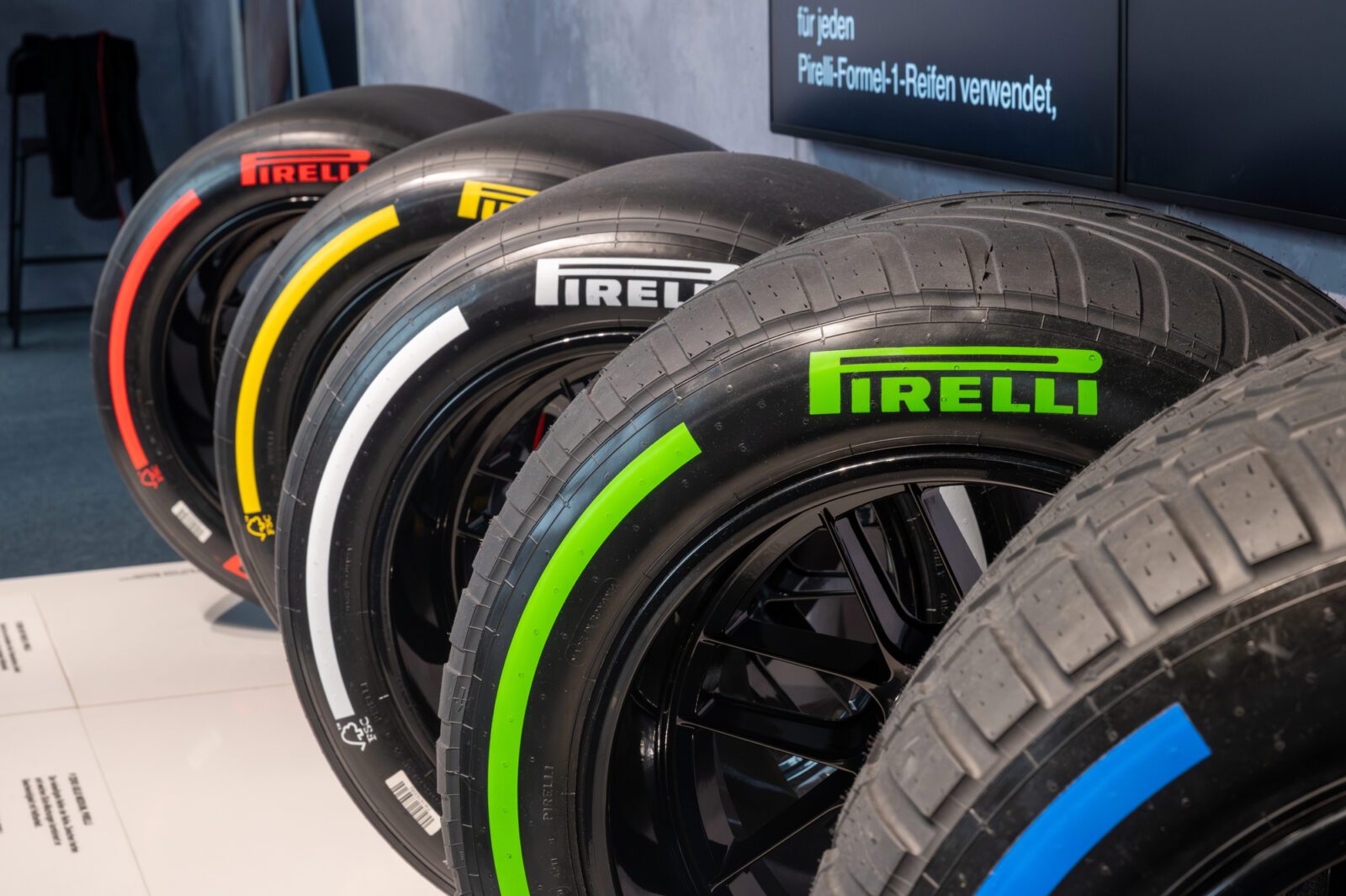
For the 2026 season, Pirelli provides a range of five dry-weather slick compounds, labeled C1 through C5. The C1 compound represents the hardest option, offering the lowest grip but the highest durability.
Conversely, the C5 compound is the softest, engineered for maximum grip over a single lap but with the shortest lifespan. These five compounds form a continuous progression of grip versus wear characteristics.
For each Grand Prix, Pirelli selects three specific slick compounds from this range, designating them as Hard, Medium, and Soft for that event. Additionally, intermediate and full wet tires are provided for varying wet weather conditions.
The selection of compounds for a particular race circuit is based on factors such as track layout, surface abrasiveness, and anticipated ambient temperatures. Softer compounds are generally suited for cooler conditions and circuits requiring rapid warm-up.
Harder compounds are typically deployed at faster, hotter, and more abrasive tracks where greater resistance to heat and forces is required. Race regulations mandate that drivers use at least two different dry compounds during a dry race, ensuring at least one pit stop.
| compound designation | relative hardness | grip level | durability |
|---|---|---|---|
| C1 | hardest | lowest | greatest |
| C2 | hard | low-medium | high |
| C3 | medium | medium | medium |
| C4 | soft | high | low-medium |
| C5 | softest | maximum | lowest |
The 2026 technical regulations and tire considerations
The 2026 Formula 1 season introduces significant technical regulations that will fundamentally alter car and tire dynamics. These new cars are designed to be lighter and will generate less aerodynamic downforce.
This shift means that the cars will rely more heavily on mechanical grip from the tires. Consequently, tire management in 2026 will present a distinct challenge compared to previous seasons.
The tires themselves have undergone dimensional changes for 2026, becoming narrower than their 2025 counterparts. The front tires are 25mm narrower, and the rear tires are 30mm narrower.
Additionally, the overall diameter of the front tires is reduced by 15mm, and the rear by 10mm. This reduction in the tire’s contact patch and overall rubber volume has direct implications for performance.
Less rubber on the track surface translates to reduced mechanical grip and a smaller thermal mass to absorb energy. As a result, overheating is anticipated to be the predominant form of degradation in the 2026 season, rather than physical wear.
The narrower tire profile also influences how heat is generated and dissipated, affecting the behavior of the contact patch. Active aerodynamic systems, a hallmark of the 2026 regulations, will further complicate tire thermal management.
The constant switching between ‘straight mode’ and ‘corner mode’ for the active aero will directly impact the heat input into the tires. Furthermore, the deployment of the Energy Recovery System (ERS) will specifically influence rear-tire temperatures.
These combined factors suggest that tires will overheat more readily, and any sliding will result in a faster performance penalty for drivers. Pirelli has developed a revised tire construction for 2026, specifically engineered to manage these load transitions from active aerodynamics without excessive overheating.
The goal for the 2026 tire range is to provide a predictable compound ladder with consistent performance spacing. This design aims to offer sufficient variation to enable diverse and engaging race strategies throughout the calendar.