



Formula 1’s Driving Standards Guidelines (DSG) are facing renewed scrutiny following multiple incidents at the 2026 Mexican Grand Prix. The guidelines, intended to clarify overtaking rules, are now being questioned for their impact on genuine wheel-to-wheel racing.
The DSG were initially implemented in 2022 after drivers requested clearer regulations on overtaking. This followed a contentious 2021 season marked by several heated clashes between Max Verstappen and Lewis Hamilton. The primary objective was to deliver consistent stewarding decisions.
A central tenet of the guidelines emphasizes a driver’s position at the apex of a corner. For an inside overtake, the attacking car’s front axle must be at least alongside the defender’s mirror at the apex to be entitled to space.
Conversely, for an outside overtake, the attacking car’s front axle must be ahead of the defending car’s front axle at the apex to be given room. Critics argue this interpretation inadvertently rewards aggressive apex-claiming.
This framework can discourage drivers from attempting overtakes around the outside, as the inside driver can dictate the duel by holding their line. Drivers are expected to maintain control and complete the move within track limits.
The 2026 Mexican Grand Prix provided several examples of these rules in action. Lewis Hamilton and Charles Leclerc locked horns at Turn 4 on the opening lap. Both Ferrari drivers braked late and ran wide.
Leclerc, on the outside, maintained position but received a five-second penalty for gaining an advantage off-track. Hamilton, who started from pole, complained on team radio about being pushed wide by his teammate.
Stewards noted both drivers entered the corner too quickly to negotiate it within track limits. Leclerc conceded the penalty was ‘deserved in a way’ but stated his decision to keep the position was influenced by Max Verstappen gaining a place.

The standard penalty for such an incident is typically 10 seconds, but it was reduced to five due to Hamilton also going off-track and the incident occurring on the opening lap.
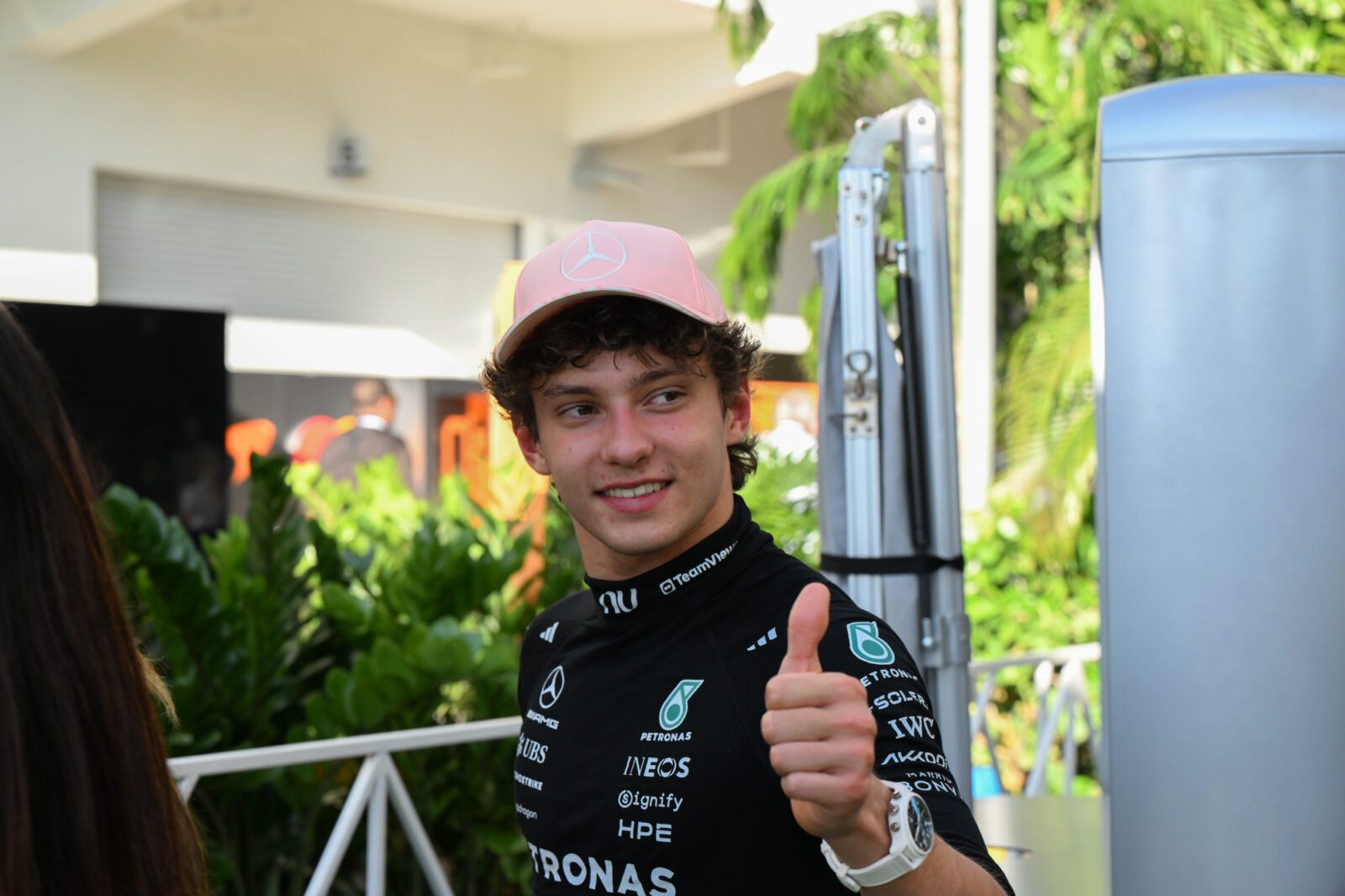
Further controversy arose from contact between George Russell and Isack Hadjar at Turn 6 on the opening lap. Russell, who had suffered an energy deployment problem, collided with Hadjar, sending the Red Bull driver into a spin.
Russell received a 10-second time penalty for causing the collision. Mercedes was subsequently fined €5,000 for Russell missing mandatory post-race media duties.
Oscar Piastri and Arvid Lindblad also collided on lap 59, necessitating a Safety Car deployment. Piastri, attempting an outside pass at Turn 1, made contact with Lindblad’s left rear, sending him into the barriers.
Piastri received a 10-second post-race penalty, dropping him to 15th in the final classification. Stewards determined Piastri was ‘never fully alongside’ and Lindblad was not required to leave racing room on the outside.
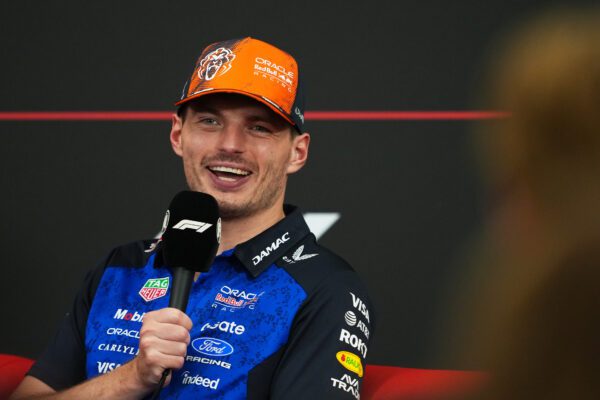
Max Verstappen, who secured victory in Mexico and is known for exploiting the rules effectively, accused the FIA of ‘double standards’ regarding Leclerc’s penalty. He repeatedly demanded immediate action against Leclerc over team radio.
Fernando Alonso has previously remarked on the shift from simply expecting drivers to ‘leave each other space,’ contrasting with current interpretations that incentivize ruthless exploitation of the rules.
The FIA’s Driving Standards Guidelines, first published in 2022, have been modified twice since, most recently after a 2024 meeting with drivers. The 2026 version was released on February 26, 2026.
These documents are guidelines, not regulations, and are intended to inform steward decisions. The FIA made them public in June 2025 to improve transparency in decision-making.
Nikolas Tombazis, FIA Single-Seater Technical Director, acknowledged ongoing discussions and continuous review of the guidelines. He stated no immediate major overhaul of the DSG is anticipated for the remainder of 2026 or early 2027.
Mexico City’s Autódromo Hermanos Rodríguez, with its high altitude and extensive run-off areas, can exacerbate these issues. The stewards issued a specific clarification for the 2026 event regarding opening lap and restart incidents.
This clarification stated that on lap one and after any resumption, in Turns 1-3 and 4-6, all cars would be considered both attacking and defending. This aimed to prevent a repeat of past incidents at the circuit.