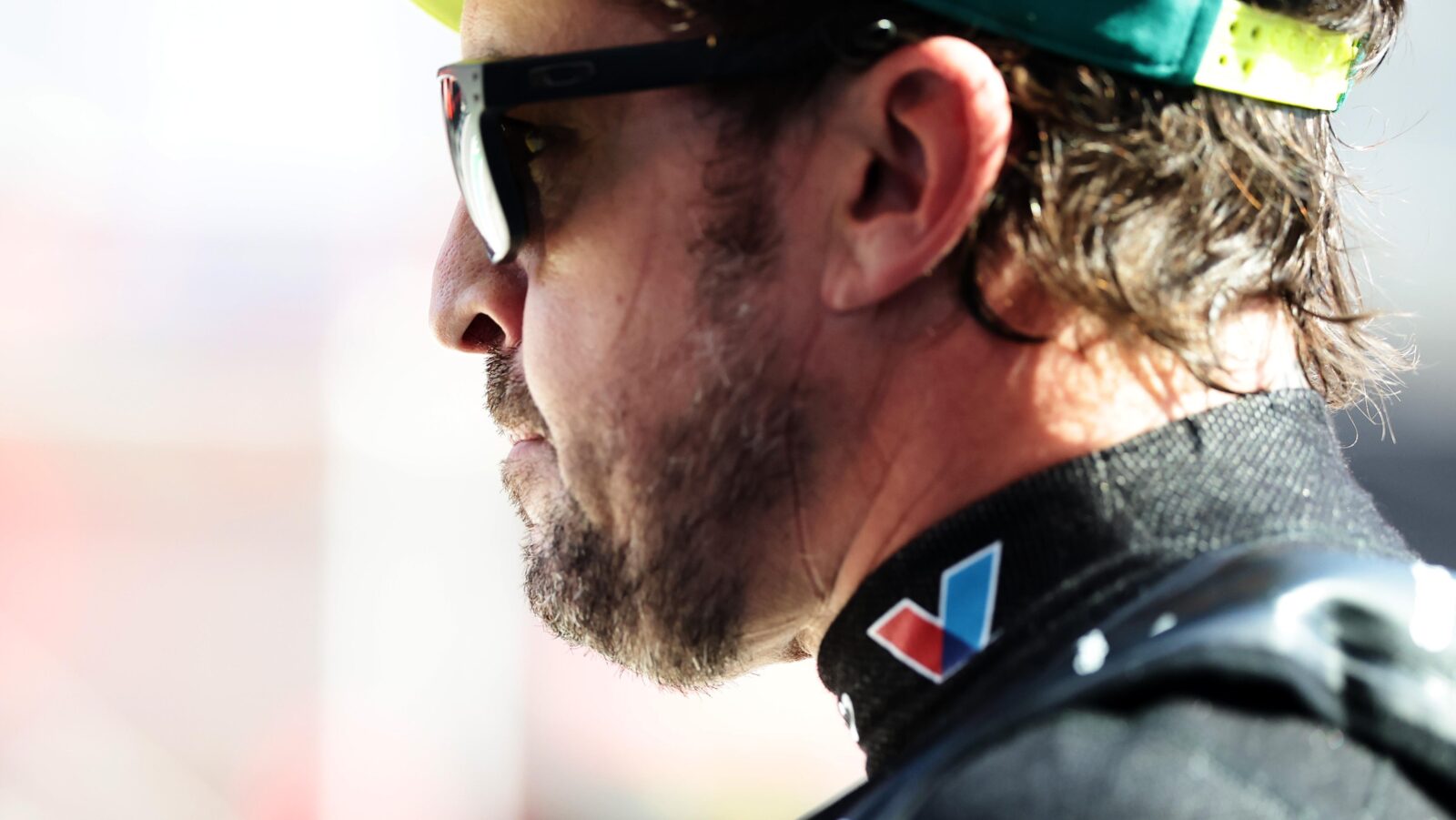
Fernando Alonso Díaz, one of Formula 1’s most enduring and successful drivers, was born in Oviedo, Asturias, Spain, on July 29, 1981. His profound connection to his hometown is vividly expressed through his personal history and the dedicated museum complex that celebrates his illustrious career.
The Fernando Alonso Museum and Circuit stands as a comprehensive tribute to his remarkable journey, from a young karting enthusiast to a two-time Formula 1 World Champion and a versatile motorsport icon.
Fernando Alonso’s early life and asturian beginnings
Fernando Alonso’s motorsport journey commenced at a remarkably tender age, driving a kart his father, José Luis, had initially constructed for his older sister, Lorena. Despite its original intent, it was Fernando who quickly displayed an innate and exceptional talent for racing.
He rapidly ascended through the ranks of regional karting, notably securing the Asturian Children’s Karting Championship in both 1988 and 1989. His relentless dedication and natural ability propelled him to become the World Karting Champion in 1996, a pivotal achievement that firmly established the foundation for his future successes in single-seater racing.
Alonso’s formative years in Oviedo instilled in him a deep sense of regional pride, a characteristic he has consistently carried throughout his extensive global career. His unwavering commitment to motorsport led him to make the significant decision to abandon his formal studies in Oviedo, choosing instead to fully immerse himself in his racing career.
This singular focus quickly yielded substantial dividends, as he progressed through competitive promotional formulas such as Formula Nissan and Formula 3000, ultimately paving his way to a highly anticipated Formula 1 debut.
The Fernando Alonso museum and circuit complex
The Fernando Alonso Museum and Circuit represents a state-of-the-art sports complex, strategically situated in Llanera, Asturias, approximately 12 to 15 kilometers from the city of Oviedo. This expansive facility, encompassing an impressive 95,442 square meters, officially opened its doors to the public in 2015, following a preview event held in March 2011.
The complex was meticulously conceived and developed with the dual purpose of honoring Alonso’s extraordinary achievements and actively promoting motorsport at various levels. It serves as a significant cultural and sporting landmark within the region.
The museum component of the complex spans a substantial 1,200 square meters of exhibition space, meticulously curated to house over 400 unique pieces drawn directly from Alonso’s personal collection. This extensive collection offers visitors an unparalleled, in-depth exploration of his entire career trajectory, from his earliest competitive karting endeavors to his triumphant periods in Formula 1 and his successful forays into endurance racing.
The entire complex is thoughtfully designed to ensure maximum accessibility, incorporating features specifically tailored for individuals with reduced mobility, including elevators and adapted restrooms.
Exhibits and collections at the museum
The Fernando Alonso Museum proudly showcases an extensive and diverse array of vehicles and memorabilia, meticulously chronicling the Spaniard’s multifaceted racing career. Visitors are guided through a chronological journey, beginning with the very first kart that his father constructed, a poignant symbol of his humble beginnings.
The collection prominently features a remarkable selection of Formula 1 cars that Alonso has piloted for various teams, including Minardi, Renault (notably the championship-winning R25 and R26), McLaren, Ferrari, and his current team, Aston Martin. This display allows for a direct comparison of the technological evolution of Formula 1 machinery over two decades.
Beyond his Formula 1 exploits, the museum thoughtfully displays vehicles from his successful ventures into other premier motorsport disciplines. These include World Endurance Championship cars, such as the Toyota TS-050 Hybrid, with which he secured two victories at the prestigious 24 Hours of Le Mans.
His Cadillac DPi-V.R from the 2019 Daytona 24 Hours victory and an IndyCar from his attempts at the Indianapolis 500 are also integral parts of this impressive exhibit. Furthermore, a Toyota Hilux pickup, representative of his participation in the challenging 2020 Dakar Rally, further underscores his remarkable versatility and ambition across different racing formats.
The museum’s comprehensive collection extends beyond vehicles to include a vast assortment of personal racing artifacts. These encompass a wide range of items such as his distinctive helmets, race-worn overalls, gloves, and shoes, each bearing the marks of countless competitive laps.
Numerous trophies, including the coveted silverware from his two Formula 1 World Championship titles in 2005 and 2006, are prominently displayed. The highly esteemed Prince of Asturias Award for Sports, which he was honored with in 2005 following his first F1 world title, also holds a place of pride among his many accolades.
A notable aspect of the exhibition is that many of the Formula 1 cars are presented complete with their original engines and gearboxes, offering a rare and intimate opportunity for visitors to observe the intricate engineering and mechanical complexity of these high-performance machines up close. The display effectively illustrates the significant evolution of F1 car aerodynamics, cockpit designs, and steering wheel technology over the years.
To enrich the visitor experience, audio guides narrated by Fernando Alonso himself are available, providing personal anecdotes and deeper insights into the history and significance of the various exhibits.
The Fernando Alonso karting circuit
Directly adjacent to the museum lies a cutting-edge karting circuit, a facility that Fernando Alonso personally designed and meticulously oversaw its construction. This purpose-built circuit holds CIK-FIA homologation, a prestigious certification that enables it to host national and international level karting competitions.
Its complex and challenging configuration is a deliberate design choice, incorporating elements inspired by some of Alonso’s most cherished corners from iconic Formula 1 tracks around the world. These include faithful reproductions of the challenging Suzuka S-bend and the demanding final corner of the former Valencia street circuit.
The circuit offers considerable flexibility in its layout, with its total length capable of varying between 1,400 and 1,800 meters. Furthermore, it can be intelligently divided into three distinct secondary circuits, providing versatile options for various training and practice sessions.
This facility serves as a vital training ground for Fernando Alonso’s own karting team, fostering the next generation of racing talent. It also offers a range of structured programs, including a dedicated Karting Campus for children aged 8 to 11 and year-round Karting School training, where participants can even compete in the Asturias Karting Championship.
The existence and design of this circuit powerfully underscore Alonso’s deeply held conviction that karting remains the most fundamental and effective school for aspiring racing drivers.
Oviedo’s enduring pride in its Formula 1 champion
Oviedo and the broader Asturias region harbor an immense and enduring sense of pride in Fernando Alonso, their celebrated local hero. His remarkable achievements, particularly his back-to-back Formula 1 World Championships in 2005 and 2006, were instrumental in elevating the sport’s profile and igniting a widespread passion for Formula 1 across Spain.
The establishment of the comprehensive museum and circuit complex stands as a profound reflection of this deep regional appreciation and a concerted effort to meticulously preserve his extraordinary legacy for future generations.
The complex transcends its role as merely a tribute to Alonso; it actively functions as a dynamic hub for promoting motorsport at all levels and for delivering crucial road safety education initiatives. It consistently draws a diverse audience, including dedicated motorsport enthusiasts, families seeking engaging activities, and tourists exploring the region, thereby significantly enhancing Asturias’s standing as a prominent tourist destination.
Fernando Alonso’s personal connection to Oviedo remains exceptionally strong, as evidenced by his continued maintenance of a private residence on the outskirts of the city. This expansive property is notably equipped with his own private karting track and a golf course, further cementing his ties to his Asturian roots.
| Feature | Detail |
|---|---|
| Museum Location | Llanera, Asturias (12-15 km from Oviedo) |
| Museum Opening Year | 2015 (preview 2011) |
| Exhibition Area | 1,200 square meters |
| Collection Size | Over 400 unique pieces |
| Karting Circuit Length | 1,400m – 1,800m (variable) |
| F1 World Championships | 2 (2005, 2006) |
| 24 Hours of Le Mans Wins | 2 (2018, 2019) |
| Prince of Asturias Award | 2005 (Sports category) |