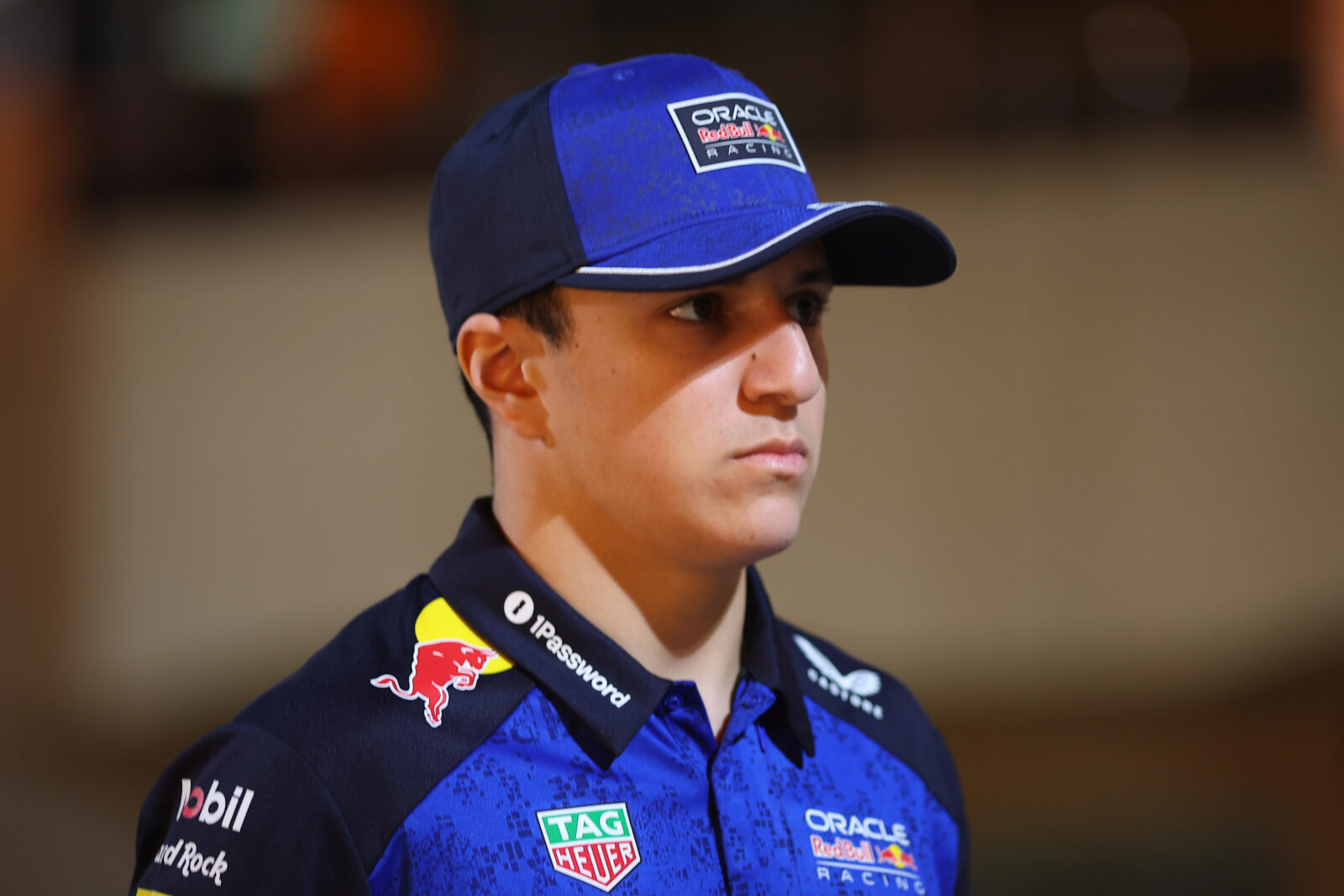
Isack Hadjar, confirmed as Max Verstappen’s teammate for the 2026 Formula 1 season, has received warnings regarding the characteristics of the upcoming Red Bull chassis and the critical need for astute energy management. The 2026 technical regulations are set to introduce significant changes to car design and power unit operation.
Red Bull’s chief technical officer, Adrian Newey, has previously indicated that the 2026 cars are expected to be considerably slower than current machinery due to the new regulations. These changes will see a substantial increase in electrical power and a reduction in fuel allowance.
The revised power unit architecture for 2026 mandates that approximately half of the total power output will be generated electrically. This necessitates a much larger battery and places a heightened emphasis on energy recovery and deployment strategies throughout a race.
Christian Horner, Red Bull Team Principal, has described the new setup as a ‘Frankenstein’ car. He highlighted concerns about a potential 30-kilogram weight increase, requiring the chassis to compensate significantly for the altered power unit dynamics.
The 2026 regulations aim for smaller, lighter cars with reduced downforce and drag, intended to improve raceability and closer competition. Active aerodynamics, including movable front and rear wings, will be integral to managing performance between corners and straights.
Drivers will need to master an ‘Overtake Mode’ that replaces DRS, shifting overtaking to a finite, driver-managed energy decision. A ‘Boost Mode’ will offer full ERS deployment, making energy strategy a constant offensive and defensive tool.
The complexity of these new systems means that going faster through corners could directly impact energy reserves and straight-line performance, potentially negating advantages gained elsewhere on track. This demands a sophisticated approach to energy conservation.
Hadjar’s promotion to Red Bull Racing for 2026 follows an impressive rookie season with Visa Cash App Racing Bulls in 2025, which included a podium finish at the Dutch Grand Prix. He will form a duo with four-time World Champion Max Verstappen.
However, Hadjar is currently sidelined with a wrist injury, preventing him from competing at this weekend’s Dutch Grand Prix. Liam Lawson has been called upon to replace him in the RB22 for the Zandvoort event.
The challenge of the second Red Bull seat has been a consistent topic, with previous drivers finding it difficult to match Verstappen’s performance in a car that has sometimes proven tricky to master.
‘It’s certainly going to be a strange formula in as much as the engines will be working flat-chat as generators just about the whole time,’ Adrian Newey stated regarding the 2026 regulations.
The transition to 100% sustainable fuels also presents a considerable challenge for engine manufacturers to maintain equivalent power and performance. This further underscores the technical demands on both the car and the driver.