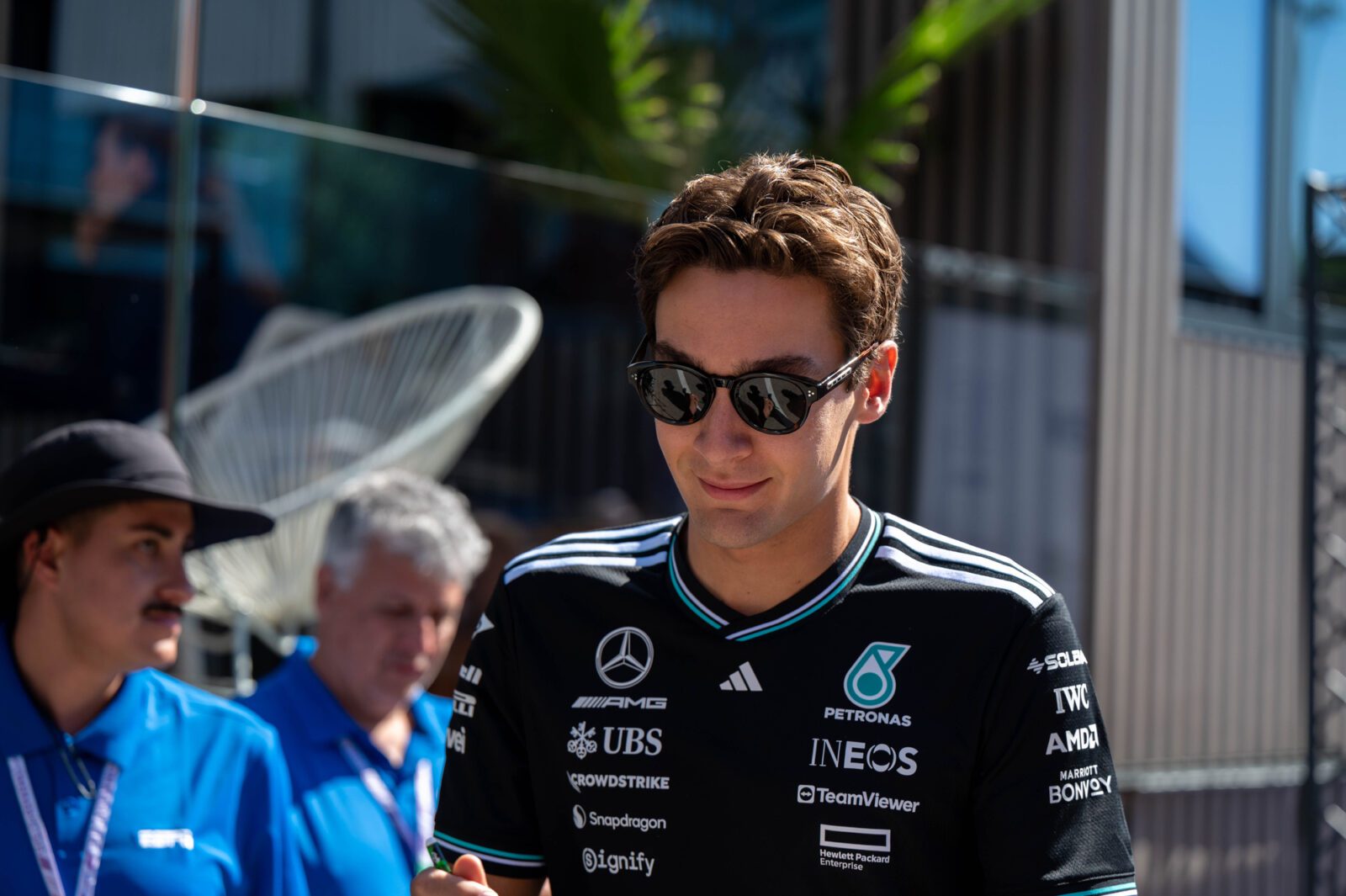
George Russell believes Formula 1 must retain an electrical component in its 2030 engine regulations, even as the sport prepares to welcome back V8 power units. The FIA has confirmed a unanimous agreement to reintroduce V8 engines, moving the timeline forward by a year.
The new power units, set for a 2030 debut, will feature a turbocharged V8 with a small hybrid element, expected to contribute around 10 per cent of the overall power. This marks a significant shift from the current near 50/50 split between combustion and electrical power.
FIA President Mohammed Ben Sulayem has championed the move away from the current V6 hybrids, which have faced a lukewarm reception from fans and drivers. The current energy harvesting methods have been criticised for altering driving styles, preventing drivers from consistently attacking corners.
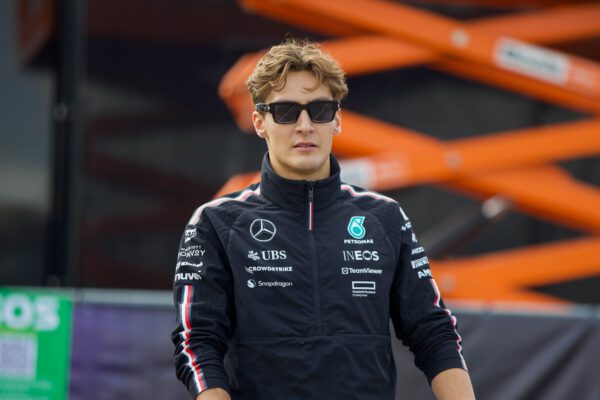
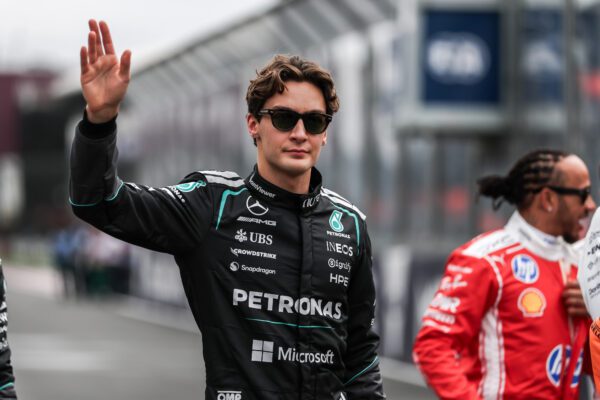
Despite the reduction in electrical output, Russell insists that a hybrid element is essential for F1 to maintain its status as the pinnacle of motorsport. He argues that solely relying on internal combustion is no longer enough to produce the fastest racing cars.
Speaking in Las Vegas, the Mercedes driver acknowledged that some purists would prefer a complete removal of electrical systems. However, he stressed the importance of hybridisation for achieving the performance levels expected in modern Formula 1.
“The purists will say take away all electrical power, but I think when you look at how a lot of these cars have evolved in recent years, and the power output from some of these electric motors these days, if Formula 1 is going to continue to be the fastest race cars on the planet, you need to have it. That’s just the reality.”
Russell further elaborated that a hybrid component is necessary to push the cars beyond the 1000 horsepower mark. He suggested that an extra 400 to 600 kilowatts from an electrical system, combined with a V8, is what the sport should be targeting.
He also pointed out a common misconception about the previous V8 era. “I think it’s worth remembering as well, actually, the final V8 era, it sounded awesome, but the cars weren’t actually very fast, and I don’t think many people realise that,” Russell added.
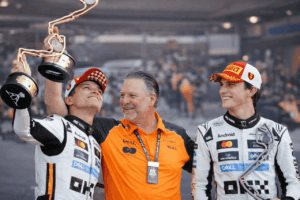
Other paddock figures have also weighed in on the new regulations. McLaren’s Zak Brown expressed his excitement, stating an “agreement in principle” had been reached and that the sport has never been healthier. Alpine’s Flavio Briatore echoed this sentiment, welcoming the return of louder, simpler engines.
The regulation change also impacts new manufacturers. Cadillac’s entry with a General Motors power unit will now coincide with the V8’s arrival in 2030. CEO Dan Towriss voiced his support for the new direction, confirming their new facility opens in December.
Four-time World Champion Max Verstappen, known for his purist views, sees the move as a step in the right direction. While his ideal would be a return to V10s, he acknowledged the practical constraints, such as noise limits and fuel consumption, that make it unrealistic.
Verstappen understands the need for a turbo and a smaller battery element as a compromise. “If it were fully up to me, of course you’d go back to, like, a V10 or whatever. That sounds even better, but I know that that’s not something realistic,” he concluded.