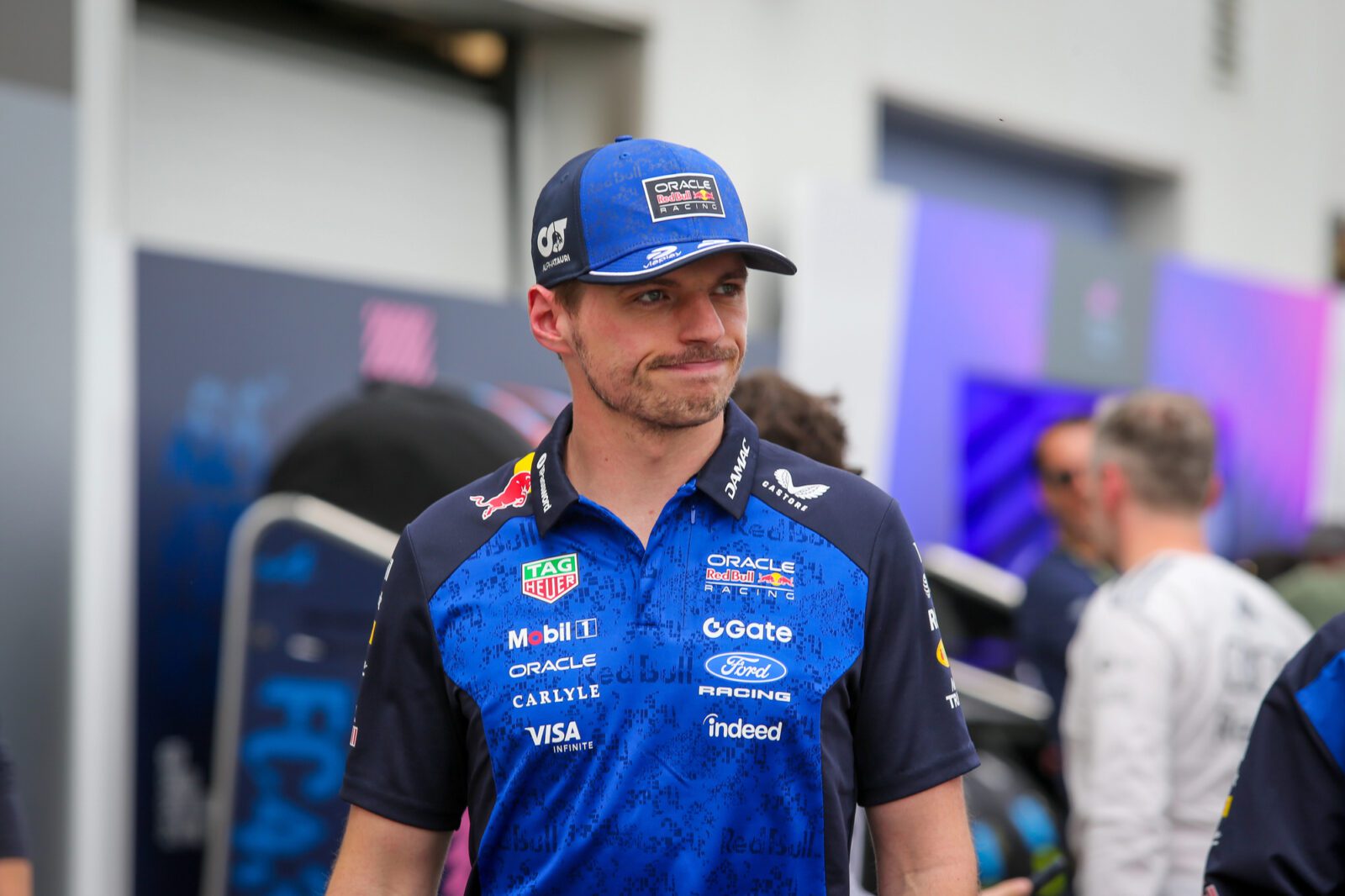
Max Verstappen and his fellow Formula 1 drivers are once again set to encounter a distinctive tyre regulation at the upcoming Qatar Grand Prix. This rule, which could significantly influence both race strategy and the outcome, comes as the sport prepares for the penultimate event of the 2026 season in the Middle East.
The recent chaos of the Las Vegas Grand Prix weekend has barely settled, with attention now shifting to the Lusail International Circuit. This marks the first time since February’s test days that F1 returns to the region for the final two Grands Prix of the year, with Qatar hosting the first of these races.
The fast and flowing nature of the Qatari circuit will serve as the backdrop for a Grand Prix for the fifth time since its reintroduction to the calendar in 2021. Similar to last year, a specific rule regarding tyre usage will be in effect, holding considerable strategic importance.
A tyre limit has been mandated for the Qatar circuit since its return to the calendar in 2023, primarily because the track places extreme stress on the tyres. Historically, drivers achieved very high speeds on the asphalt, and sharp kerbstones previously contributed to punctures.
Despite the removal of sharp kerbstones since 2024 and the race being moved from October to November to mitigate higher temperatures, the circuit remains exceptionally demanding on the tyres.
Pirelli, Formula 1’s official tyre supplier, announced last week that a tyre limit would again be enforced in Qatar. This marks the third occasion such a measure has been implemented during a Grand Prix at the Gulf state circuit.
In 2023, Pirelli mandated a pit stop every eighteen laps during the race. This rule was subsequently adjusted last year (2025), imposing a limit of 25 laps.
For the current season, the regulation has been further refined, with the tyre limit for the upcoming Qatar race increased to 27 laps. This effectively guarantees a two-pit stop race and is expected to generate intriguing strategic decisions for the teams.
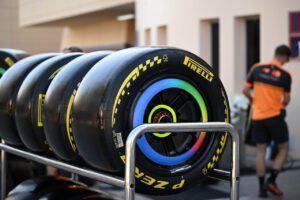
Pirelli explained that the increase in the lap limit was made possible by the lower stress levels observed on the current generation of cars and further enhancements to the tyre construction.
The precise impact of this tyre limit on team strategies is yet to unfold. However, it is clear that the rule could once again lead to a variety of tactical approaches and potentially introduce an element of unpredictability and chaos.
Months ago, there were questions regarding whether the season-ending races in Qatar and Abu Dhabi would proceed, given rising tensions in the Middle East. Several drivers openly expressed concerns about the safety of travelling to the region.
However, a recent MotoGP race in Qatar concluded without any significant safety incidents, and it has since been confirmed that both Formula 1 races will go ahead as planned.