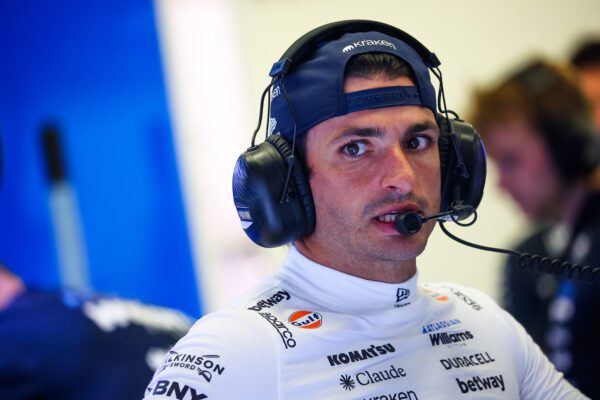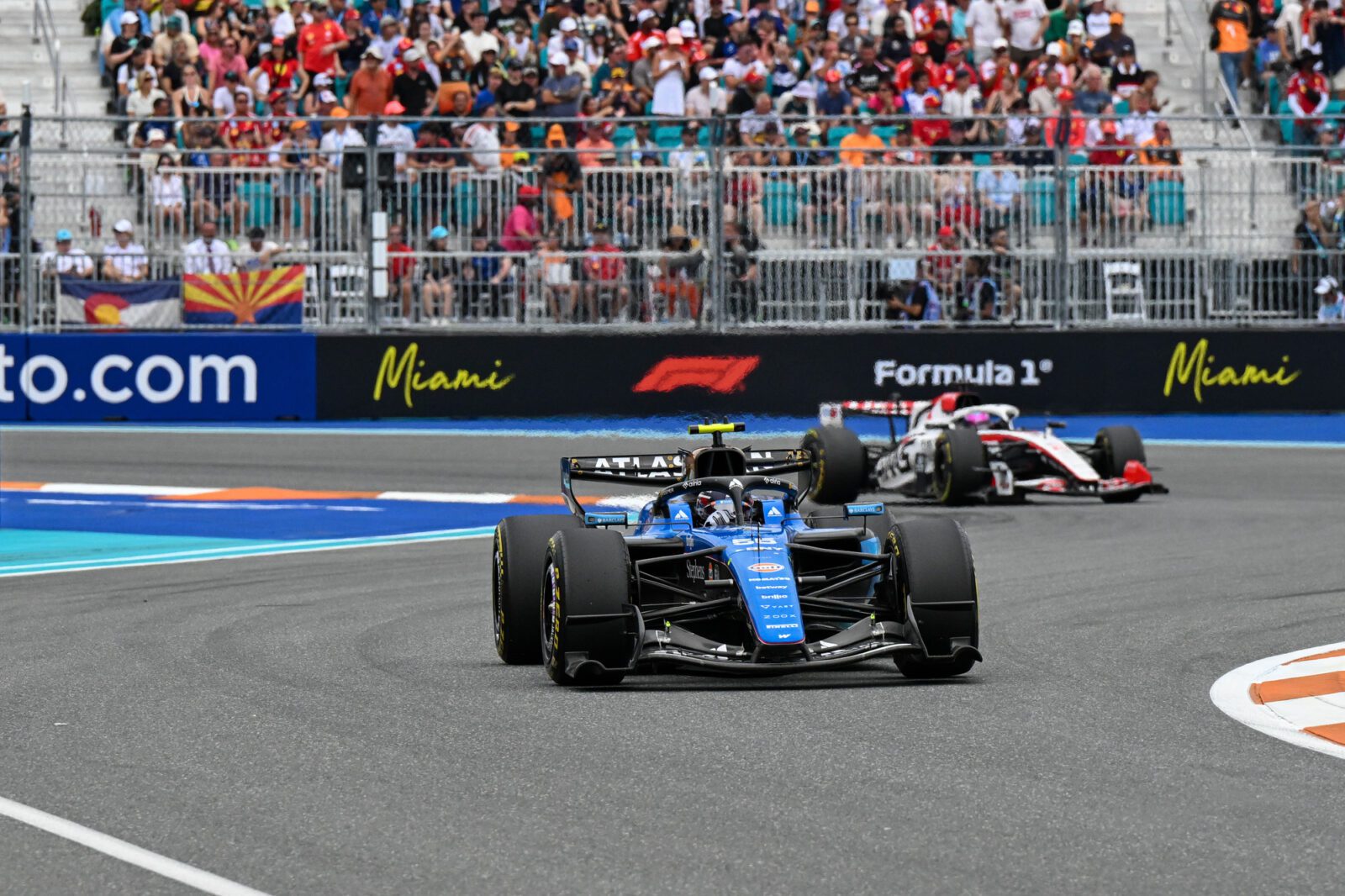
Williams Racing has been handed a financial penalty and a reduction in wind tunnel time after breaching Formula 1’s 2025 cost cap regulations. The FIA confirmed the Grove-based team committed a minor overspend and a procedural breach.
The team unintentionally exceeded the cost cap by £627,000, which represents 0.48% over the stipulated limit for the 2025 season. This breach has led to significant consequences for the British outfit.
The agreed outcome with the FIA includes an unspecified financial penalty and a 1.5% reduction in wind tunnel and CFD testing. This sporting sanction will be applied over the next 12 months, impacting future car development.
Williams explained that the breach stemmed from administrative costs incurred while making changes to its company structure. The team initially believed these specific costs fell outside the scope of the cost cap regulations.
However, following discussions with the FIA, Williams agreed to resolve the matter in line with the governing body’s interpretation. This confirmed that the administrative costs should indeed have been included within the cost cap.
The FIA noted that Williams did not gain any sporting or financial advantage from the overspend, nor did the team ever seek to. Furthermore, the governing body acknowledged that Williams acted cooperatively and in good faith throughout the review process.
In a statement, Williams affirmed its commitment to integrity and its support for the financial regulations. The team expressed its desire to close the case and focus on its future within Formula 1.
“Atlassian Williams F1 Team has reached an Accepted Breach Agreement with the FIA in relation to our 2025 Cost Cap submission. The FIA has determined that the team committed a minor overspend breach and an accompanying procedural breach, unintentionally exceeding the cap by £627,000 – 0.48% over the 2025 Cost Cap. The agreed outcome is a financial penalty and a 1.5% reduction in wind tunnel and CFD testing over the next 12 months. The breach relates to administrative costs we incurred making changes to our company structure. We believed these costs fell outside of the cap. Following discussions with the FIA, we have agreed to resolve the matter in line with their interpretation that the costs should have been in the cap. The FIA has noted that Williams did not gain any sporting or financial advantage, nor did we ever seek to. It has also noted that we acted cooperatively and in good faith throughout the review process. Integrity is central to what Williams stands for, and we can now close this case and remain focused on our future. We have always been and will continue to be strong supporters of the Cost Cap, which naturally requires accurate policing to be effective.”

This penalty follows previous complaints from Williams team boss James Vowles regarding the cost cap. Vowles had argued that the current regulations disadvantage teams positioned at the back of the field.
Vowles had proposed a sliding-scale cap, which would allow teams lower in the standings to receive more money. However, this suggestion was largely rejected by the sport’s top teams.
In a separate development, Alpine was also noted for a procedural infringement related to the cost cap. Unlike Williams, Alpine did not breach the overall spending limit.
Alpine’s errors and inaccuracies in reporting were specifically linked to non-sporting and operational costs. These included marketing activities, non-F1 activities, HR activities, employee bonuses, offsetting of costs, and costs of inventories.
The Cost Cap Administration (CCA) recognised that these particular errors did not provide Alpine with any performance advantage.
The penalty means the Grove-based team will miss out on vital development time. This comes as regulations continue to evolve and the engine split between internal combustion and electric power shifts over the next two seasons.