The journey to becoming a Formula 1 driver is an exceptionally demanding and financially intensive undertaking, requiring a unique blend of raw talent, unwavering dedication, and substantial financial backing. Every current Formula 1 driver began their motorsport career in karting, establishing this discipline as the fundamental starting point for any aspiring competitor.
This arduous path involves a structured progression through various junior single-seater categories, each designed to hone a driver’s skills and prepare them for Formula 1.
The foundation: karting and early development
The motorsport journey for most Formula 1 drivers commences at a very young age, often between five and seven years old, in the competitive world of karting. This initial stage is important for developing fundamental driving skills, including precise steering control, effective speed management, and the ability to read a racing track.
Young drivers also begin to understand physical fatigue and tire behavior, essential lessons for their future careers.
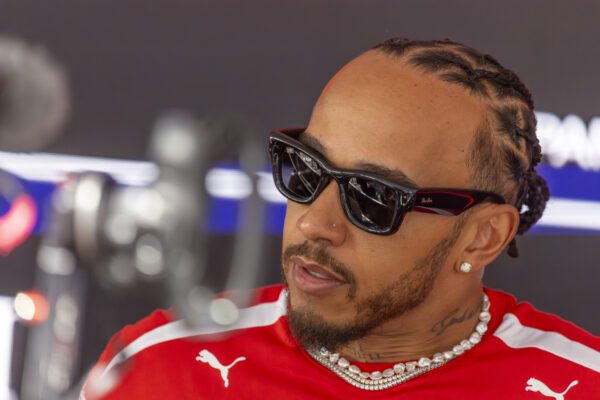
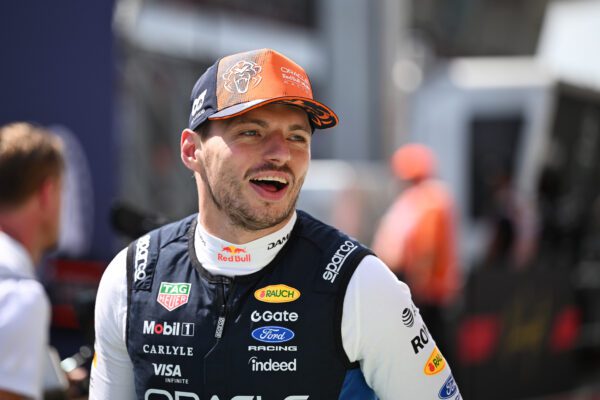
Many of Formula 1’s most celebrated figures, such as Lewis Hamilton, Max Verstappen, Charles Leclerc, and Fernando Alonso, took their first competitive steps in go-karts. Hamilton started karting at eight and was signed to a McLaren development program by thirteen, while Leclerc began racing at five and Verstappen was in a kart before most children could tie their shoes.
A competitive karting season can cost a family hundreds of thousands of euros over several years, with estimates suggesting an investment of up to €1 million for a decade of elite karting through junior, senior, and international races.
Climbing the junior single-seater ladder: formula 4, formula regional, and formula 3
After mastering karting, drivers transition into junior single-seater categories, which are structured by the Fédération Internationale de l’Automobile (FIA) as a clear progression towards Formula 1. Formula 4 (F4) serves as the entry-level for car racing, typically for drivers aged fifteen and over, with championships held nationally and regionally across the globe.
These cars introduce young drivers to higher speeds, aerodynamics, and the handling characteristics of open-wheel machinery.


Formula Regional (FR) championships, a more recent addition to the FIA’s development ladder, bridge the performance gap between F4 and the more powerful FIA Formula 3 cars. These series offer a significant step up in performance and complexity while maintaining a focus on cost control.
Following this, drivers advance to the FIA Formula 3 Championship, an international series that introduces more technical driving skills and intense competition, often running alongside Formula 1 Grand Prix weekends.
The financial commitment for these categories escalates significantly. A full season in a competitive European F4 series can range from €300,000 to €700,000, including testing and potential crash damage.
Formula Regional seasons typically cost between €550,000 and €750,000. For FIA Formula 3, a single season can demand an investment of €1 million to €1.5 million, covering team personnel, logistics, and equipment.
The final hurdle: FIA formula 2 championship
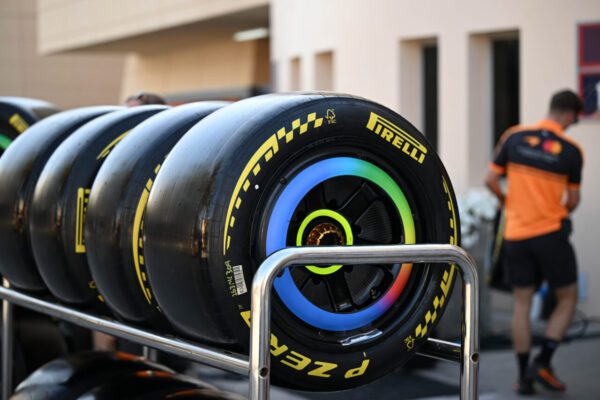
The FIA Formula 2 Championship is widely recognized as the penultimate and most crucial step on the pathway to Formula 1. This series features high-performance cars with standardized Dallara chassis, Pirelli tires, and Mecachrome turbocharged V6 engines, ensuring a level playing field where driver talent is paramount.
F2 races often support Formula 1 events, providing drivers with invaluable exposure to the Grand Prix environment and direct observation from F1 team principals and scouts.
A single season in FIA Formula 2 is exceptionally expensive, with costs for a competitive seat typically ranging from €2.5 million to €4 million. Unlike Formula 1, F2 teams generally do not pay their drivers; instead, drivers must secure this substantial funding through personal wealth, corporate sponsorships, or backing from a Formula 1 driver academy.
Even winning the F2 championship does not guarantee an immediate Formula 1 seat, as demonstrated by drivers like Felipe Drugovich, who secured the title but initially moved into a reserve driver role.
The FIA super licence: a mandatory requirement
To compete in Formula 1, a driver must possess an FIA Super Licence, a stringent eligibility requirement enforced by the sport’s governing body. To obtain this licence, a driver must be at least eighteen years old, although a provision introduced in 2025 allows for discretionary approval for seventeen-year-old drivers, notably enabling Andrea Kimi Antonelli’s Formula 1 debut.
Crucially, a driver must accumulate forty or more Super Licence points over their most recent three seasons of competition in FIA-sanctioned racing series.
The FIA Formula 2 Championship awards the highest number of points, with the champion and top three finishers each receiving forty points, which alone qualifies a driver for a Super Licence. Other championships, such as FIA Formula 3, IndyCar Series, FIA Formula E World Championship, FIA World Endurance Championship (Hypercar class), and Super Formula (Japan), also contribute points, though typically fewer.
Up to ten supplementary points can also be earned through participation in Formula 1 Free Practice sessions under specific FIA conditions. The Super Licence is valid for one year and requires annual renewal.
The financial reality: costs from karting to Formula 1
The financial investment required to progress from karting to Formula 1 is astronomical, often exceeding several million euros. This immense cost is a significant barrier, with many talented drivers unable to advance due to a lack of funding rather than a lack of skill.
The junior motorsport pyramid, therefore, often selects for the best-funded and most commercially astute families, alongside raw talent.
Formula 1 teams operate junior driver academies, such as those run by Red Bull, Mercedes, Alpine, and Aston Martin, which scout and support promising young talents. These academies can provide crucial financial assistance, training, and mentorship, offering a structured pathway and increasing a driver’s visibility.
However, securing a place in such an academy is fiercely competitive and often requires significant prior investment from the driver’s family or early sponsors.
| Category | Estimated Cost Per Season (EUR) | Notes |
|---|---|---|
| Competitive Karting | €100,000 – €200,000 (per year, over several years) | Total investment over a decade can exceed €1 million. |
| Formula 4 (F4) | €300,000 – €700,000 | Includes testing, potential crash damage. |
| Formula Regional (FR) | €550,000 – €750,000 | Intermediate step between F4 and F3. |
| FIA Formula 3 (F3) | €1,000,000 – €1,500,000 | International competition, higher performance. |
| FIA Formula 2 (F2) | €2,500,000 – €4,000,000 | Final feeder series, drivers typically pay for seats. |
| FIA Super Licence Fee | Varies (based on F1 points, can be over €1 million for F1 drivers) | Annual renewal required for F1 drivers. |
Beyond the track: talent, support, and the F1 dream
While exceptional driving skill is the primary requisite, becoming a Formula 1 driver demands more than just speed. Teams also prioritize communication skills, professionalism, and personal conduct, recognizing the importance of a well-rounded athlete who can represent the team and sponsors effectively.
Drivers must also possess extraordinary physical fitness, undergoing rigorous training regimes that rival those of Olympic athletes to withstand the immense G-forces and physical demands of a Grand Prix.
The F1 Academy, a female-only category, has been established to increase female participation in motorsport, providing young talent with on-track experience and a pathway to higher levels of competition. The sacrifices involved in pursuing an F1 career are profound, often impacting education and personal life, with childhood becoming a blur of tracks, training, and travel.
Ultimately, with only twenty seats available in Formula 1, the journey is a relentless pursuit where only a tiny fraction of aspiring drivers achieve their dream, making it one of the most exclusive and challenging career paths in global sport.