




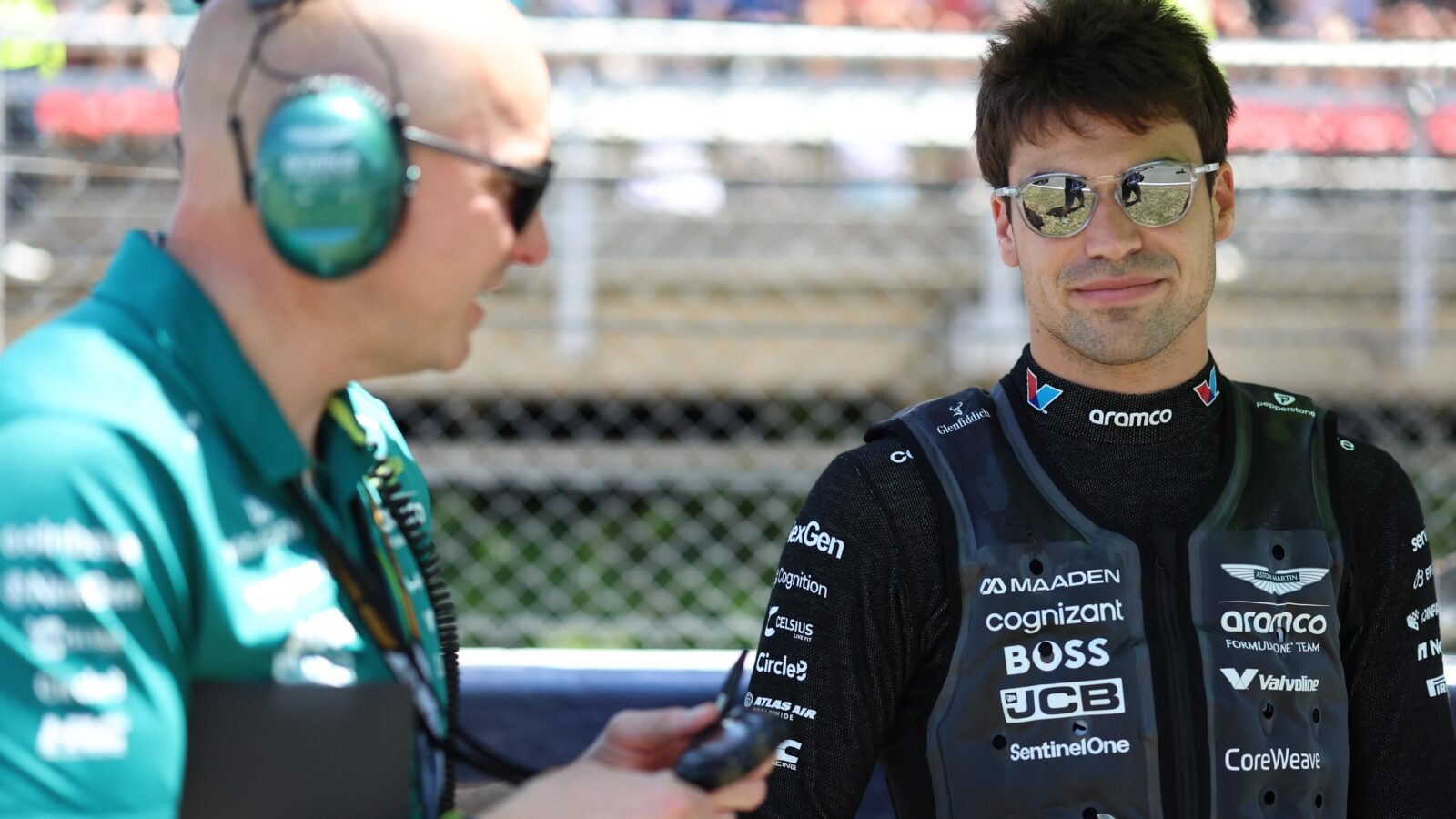
Formula 1 pit stops represent a pinnacle of synchronized human and mechanical efficiency, routinely achieving tire changes in under two seconds. This rapid service is a critical element of race strategy, often determining race outcomes and championship battles.
The current world record for the fastest pit stop stands at an astonishing 1.80 seconds, set by McLaren for Lando Norris at the 2023 Qatar Grand Prix.
The evolution of these stops from leisurely affairs to lightning-fast operations highlights decades of innovation in motorsport. Every millisecond saved in the pit lane can translate into crucial track position, making the pit stop a highly scrutinized and intensely practiced aspect of Formula 1.
The remarkable evolution of Formula 1 pit stops
The concept of a pit stop in Formula 1 has undergone a dramatic transformation since the sport’s inception. In the 1950s, pit stops were often disorganized and could take upwards of a minute, with drivers sometimes even exiting their cars while mechanics used rudimentary tools like copper hammers to change tires.
The reintroduction of in-race refueling in 1994 marked a significant shift, turning pit stops into a strategic weapon. During this era, which lasted until 2009, average pit stop times ranged from 8 to 11 seconds, with refueling being the primary time-limiting factor.
The ban on refueling after the 2009 season forced teams to focus entirely on optimizing tire changes. This regulatory change spurred an unprecedented acceleration in pit stop speeds, pushing teams to develop specialized equipment and refine their procedures to shave off precious tenths of a second.
Anatomy of a sub-two-second stop: precision and synchronization
Achieving a sub-two-second pit stop is a complex ballet of coordinated actions involving approximately 20 to 22 highly trained crew members. The process begins even before the car comes to a complete halt, with the driver playing a crucial role in hitting their marks precisely within the pit box.
As the car stops, front and rear jack operators swiftly lift the vehicle. Simultaneously, three mechanics at each of the four corners of the car spring into action: one operates the wheel gun, one removes the old tire, and another fits the new, pre-heated tire.


The wheel gunner then rapidly secures the single lug nut, and once all tires are fastened, the jacks drop the car. A traffic light system, which replaced the traditional ‘lollipop man’, signals the driver when it is safe to rejoin the race.
Specialized equipment and cutting-edge technology
The speed of modern Formula 1 pit stops is heavily reliant on advanced equipment designed for maximum efficiency. Pneumatic wheel guns are central to this, capable of unscrewing and tightening the single, large lug nut in a fraction of a second.
These wheel guns are often color-coded for each side of the car and feature internal sensors or lights to indicate when the nut is fully secured, allowing the gunner to react instantly. The front and rear jacks are also highly specialized, designed for rapid lifting and lowering while absorbing the car’s momentum.
Beyond the immediate tools, the pit box itself is equipped with sophisticated systems, including cameras to record every stop for analysis and laser markers to guide the crew into perfect position. Tire blankets are used to keep fresh tires at optimal temperatures, typically around 158°F (70°C), ensuring immediate grip upon rejoining the track.
The pit crew: rigorous training and defined roles
The pit crew members are not merely specialized athletes; they are typically the same mechanics who build, maintain, and repair the cars throughout the week. Their race-day pit stop roles are an additional, highly demanding responsibility.
A standard pit crew consists of around 20 to 22 individuals, each with a specific, rehearsed task. This includes front and rear jack operators, three tire changers per wheel (one gunner, one wheel-off, one wheel-on), and two stabilizers who steady the car.
Teams engage in thousands of practice stops during the off-season and throughout the race weekend, often using a ‘mule car’ to simulate real-race conditions. Every practice stop is filmed and meticulously analyzed to identify areas for improvement, no matter how small.
Rules and regulations governing pit stop procedures
Formula 1 pit stops are governed by strict regulations to ensure safety and fair play. A mandatory pit stop is required during dry races, where each driver must use at least two different dry tire compounds (soft, medium, or hard).
The pit lane itself has a strictly enforced speed limit, typically 80 km/h (approximately 50 mph), which drivers engage using a pit lane speed limiter. Exceeding this limit results in penalties.
Recent FIA regulations, introduced with the larger 18-inch tires in 2022, include a mandatory delay of 0.15 seconds between the sensor detecting a secured tire and the software response, and a 0.20-second delay before the traffic light turns green. These measures aim to prevent unsafe releases and enhance safety for pit lane personnel and other drivers.
Fastest Formula 1 pit stops on record
The pursuit of the fastest pit stop is a continuous battle among teams, with records frequently challenged and broken. Red Bull Racing has historically dominated this area, particularly in the late 2010s, but McLaren currently holds the ultimate benchmark.
| time | team | driver | grand prix | year |
|---|---|---|---|---|
| 1.80s | McLaren | Lando Norris | Qatar Grand Prix | 2023 |
| 1.82s | Red Bull Racing | Max Verstappen | Brazilian Grand Prix | 2019 |
| 1.88s | Red Bull Racing | Max Verstappen | German Grand Prix | 2019 |
| 1.91s | Red Bull Racing | Pierre Gasly | British Grand Prix | 2019 |
| 1.92s | Williams | Felipe Massa | European Grand Prix (Azerbaijan) | 2016 |
| 1.92s | Red Bull Racing | Mark Webber | Malaysian Grand Prix | 2013 |
The DHL Fastest Pit Stop Award, established in 2015, recognizes the team demonstrating outstanding teamwork and consistent performance in the pit lane throughout the season. Ferrari secured this award in 2025, breaking Red Bull’s previous dominance.