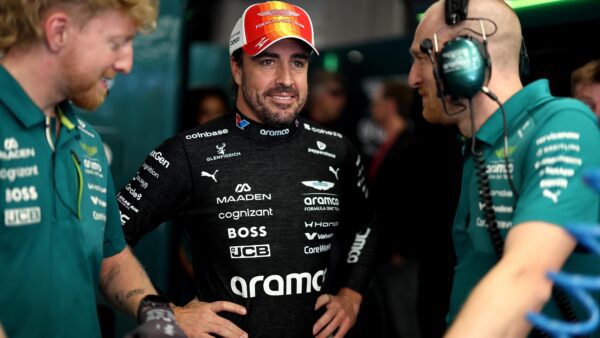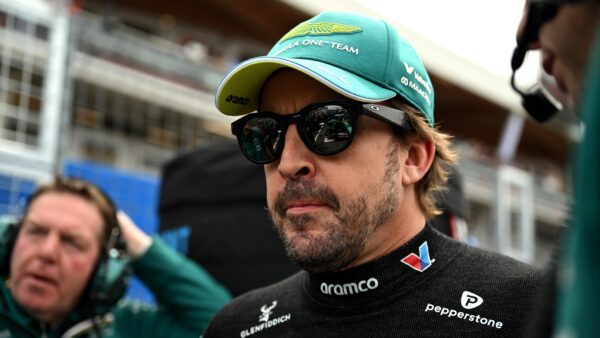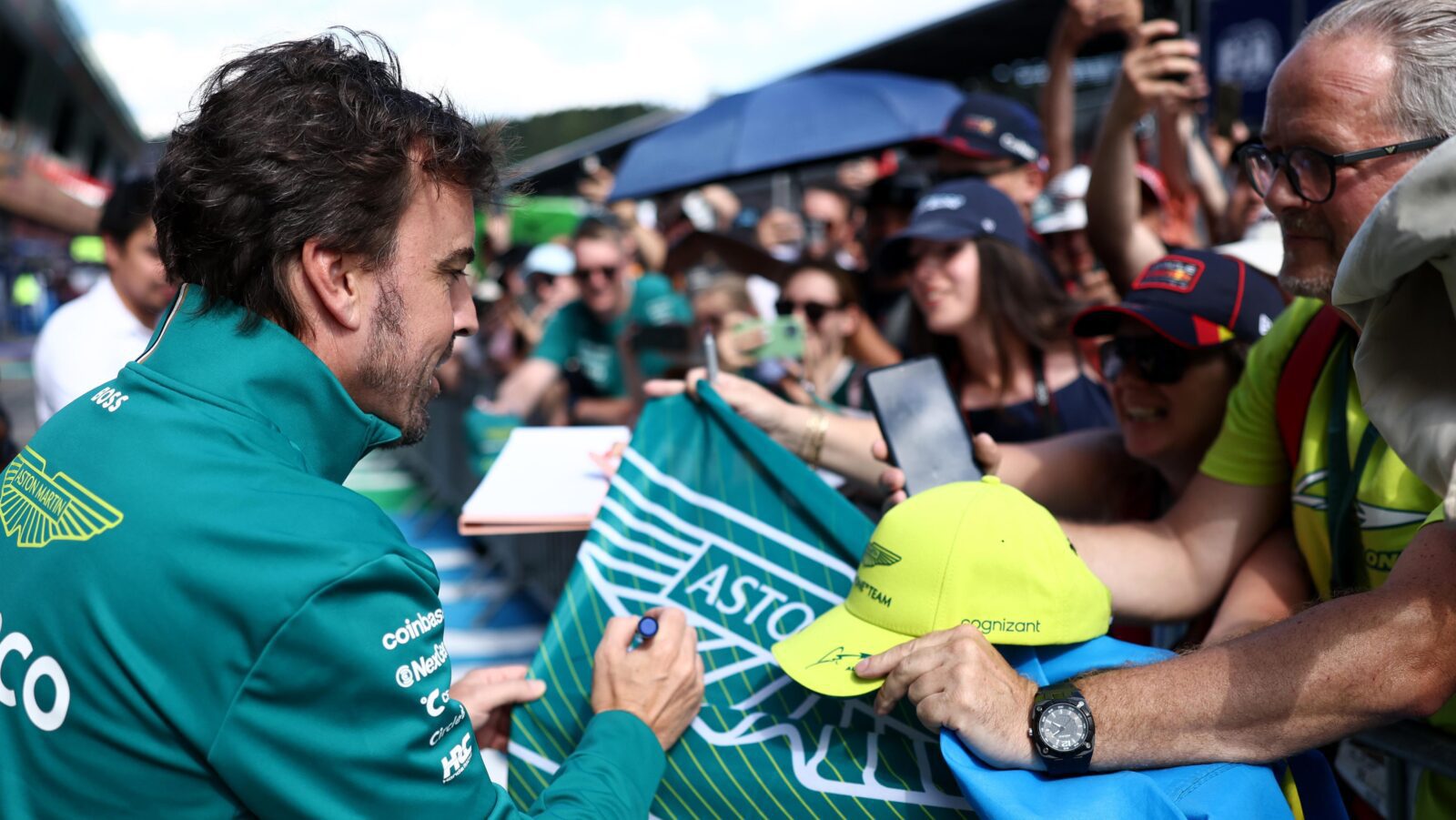
Fernando Alonso reiterated his assessment of driver quality in the lower third of the Formula 1 grid during media day for the Mexico City Grand Prix on Thursday, October 29, 2026. His comments follow a first-lap collision at the recent United States Grand Prix.
The Aston Martin driver’s frustration stems from an incident with Alex Albon at Turn 11 during the United States Grand Prix on October 26, 2026. Albon attempted an inside pass, resulting in contact that caused significant damage to Alonso’s car.
Alonso’s AMR26 sustained extensive floor and sidepod damage, with reports indicating ‘half of the floor is not there.’ He estimated this damage cost him ‘half a second or more’ per lap. Despite the damage, Alonso finished 16th, ahead of Albon in 17th.
The incident went unpenalised by the stewards, a decision that prompted Alonso’s initial remarks about driver quality. He stated post-race that Albon ‘forgot Turn 11 was there, and he had to turn left.’
Alonso declared that ‘the quality of the drivers in the lower third of the grid is very low.’ He believed a points finish, potentially P9 or P10, was achievable without the collision.
Albon, driving for Williams, described the contact as a ‘racing incident.’ He cited Esteban Ocon’s presence on Alonso’s outside as a factor, stating it was ‘hard to disappear.’ Albon also reported driving with a broken front wing after the clash.
Carlos Sainz, also involved in a separate first-lap incident at the United States Grand Prix, disagreed with Alonso’s broad characterisation. Sainz stated that all F1 drivers operate at ‘very high standards’ and sometimes experience ‘off moments.’
Sainz’s own incident involved Racing Bulls rookie Arvid Lindblad, who squeezed him towards the wall, causing front wing damage. Sainz expressed surprise that Lindblad received no penalty, questioning the consistency of steward decisions.
Alonso maintained his position in Mexico, stating that the reaction to his comments ‘tells you everything.’ He clarified he was ‘not specific on the number’ of drivers in question.
He rejected the notion that declining standards are a new issue, insisting it has been ‘the same over the years.’ Alonso acknowledged that cars at the back of the grid are more challenging to drive due to less grip, leading to more mistakes.
However, he stressed that many first-lap incidents, touches, and flying front wings are ‘not necessary.’ Alonso also linked these incidents to the cost cap, suggesting some teams are ‘happy to crash’ despite the financial implications.
The 2026 Formula 1 cost cap is set at $215 million for a season with up to 24 races. This budget covers car performance-related spending, but driver salaries and top staff wages are excluded.
Damage sustained in collisions directly impacts a team’s available budget for development and upgrades. Alonso suggested that drivers’ future ambitions should influence their on-track conduct, rather than relying solely on stewards to intervene unless safety is compromised.
Aston Martin has experienced a challenging 2026 season, sitting second to last in the Constructors’ Championship as of August. Alonso’s P10 finish in Monaco represents the team’s best result this year.
The AMR26 has faced chassis and power unit issues, including chronic vibrations. Honda, Aston Martin’s power unit supplier, has indicated the team will likely start the 2027 season behind leading manufacturers despite planned upgrades.