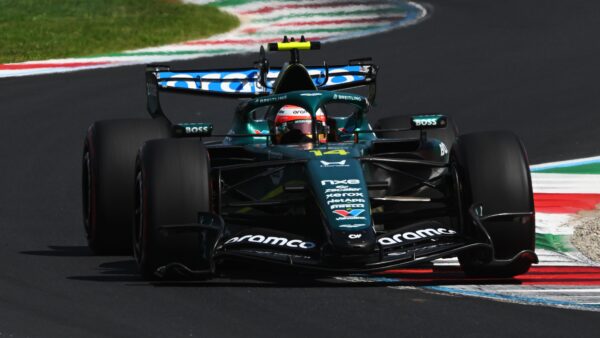


Monaco has long been a favoured residential location for a significant portion of the Formula 1 grid, with approximately 14 to 16 drivers calling the principality home as of the 2026 season. This concentration of elite sporting talent in such a compact microstate is attributed to a combination of financial incentives, strategic logistical advantages, and a desirable lifestyle.
The decision to reside in Monaco is a calculated one for many, offering benefits that directly support their demanding careers and personal well-being.
The allure of Monaco extends beyond its glamorous image, providing a practical and financially astute base for high-earning athletes. Drivers often cite the unique blend of tax efficiency, geographical convenience, and a secure, private environment as primary motivators for their residency.
This combination creates an optimal setting for managing their professional lives and personal wealth.
Current Formula 1 drivers residing in monaco
A substantial number of current Formula 1 drivers have chosen Monaco as their primary residence. This includes multiple world champions and rising stars, reflecting the principality’s broad appeal across different career stages.
The list of residents frequently changes as drivers’ careers evolve and personal circumstances shift.
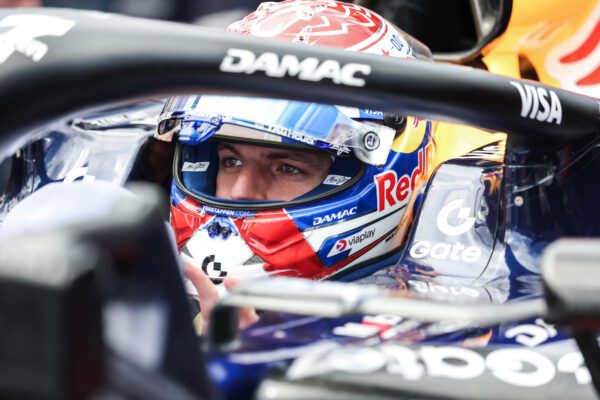
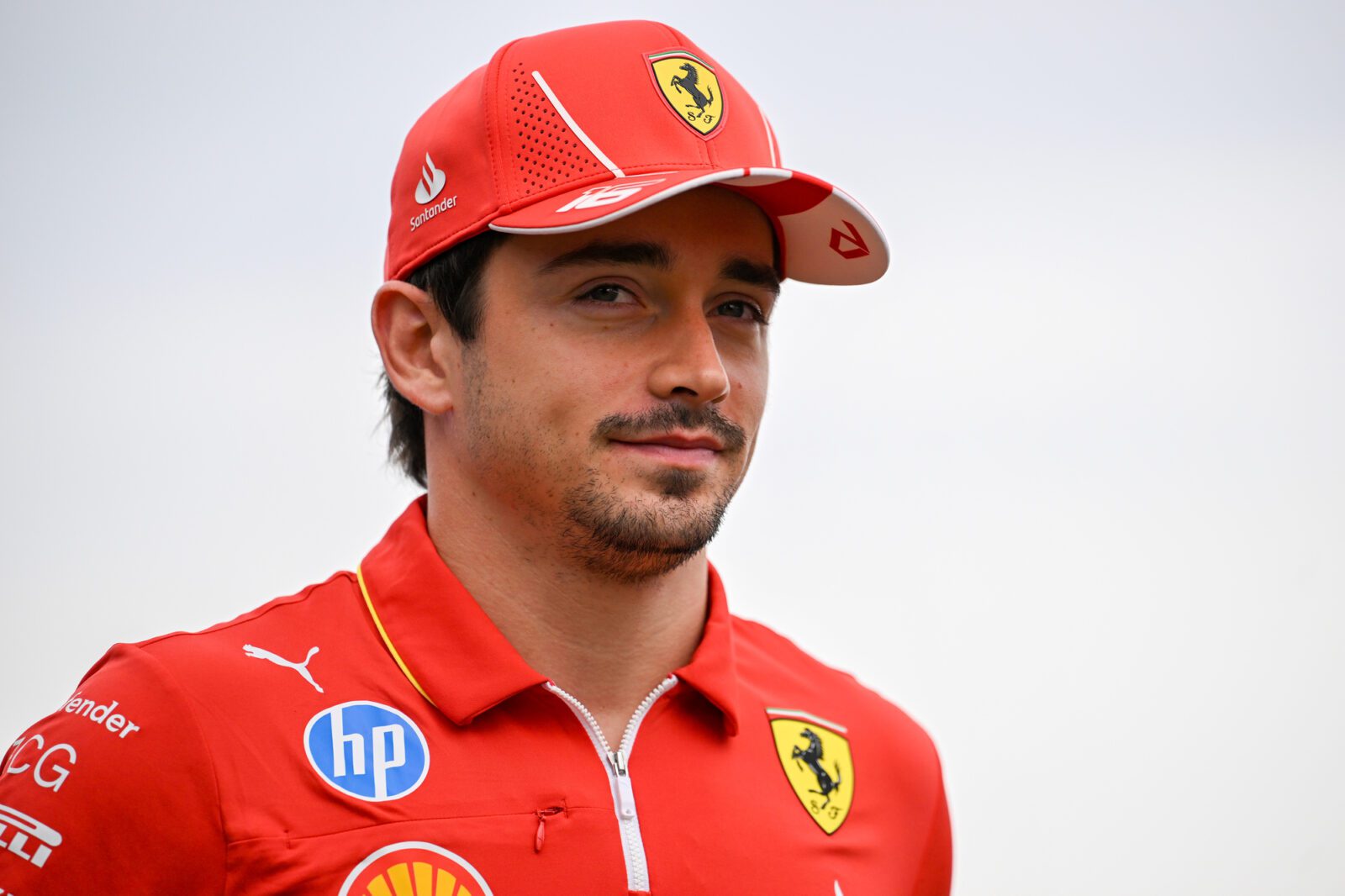
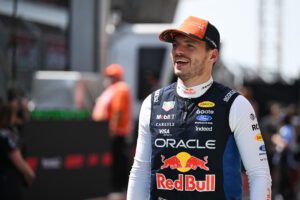
Among the prominent names are Max Verstappen, who moved to Monaco in 2015 and now resides in the exclusive Mareterra district, and Lewis Hamilton, a long-time resident since 2010 or 2012. Charles Leclerc, being a native Monegasque, has always called the principality home.
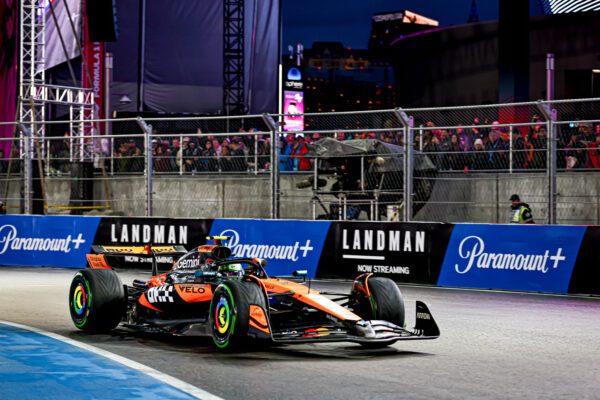
Other notable residents include Lando Norris, who relocated in late 2021 or 2022, and Oscar Piastri, who made the move in 2024.
Carlos Sainz also joined the Monaco residents in 2024, living in close proximity to Charles Leclerc. George Russell, Alex Albon, Nico Hülkenberg, Valtteri Bottas, Liam Lawson, Gabriel Bortoleto, Oliver Bearman, and Franco Colapinto are also widely reported to reside in Monaco.
While Sergio Pérez is sometimes listed, he is also known to split his time between Monaco and his home in Guadalajara, Mexico, or be a Swiss resident for tax purposes.
Conversely, some drivers choose other locations due to various factors, including bilateral tax treaties or personal preferences. French nationals like Pierre Gasly, who lives in Milan, and Esteban Ocon, based in Geneva, do not benefit from Monaco’s tax advantages due to a 1963 treaty between France and Monaco.
Kimi Antonelli resides in San Marino, while Lance Stroll has been associated with both London and Geneva. Arvid Lindblad prefers a quieter life in England or near Lisbon, Portugal, and Fernando Alonso’s residency is often split between Switzerland, Monaco, and Spain.
| driver name | residency status (as of 2026) | notes |
|---|---|---|
| max verstappen | monaco resident | moved in 2015, now in mareterra district |
| lando norris | monaco resident | moved in late 2021/2022 |
| lewis hamilton | monaco resident | residing since 2010/2012 |
| george russell | monaco resident | |
| oscar piastri | monaco resident | moved in 2024 |
| charles leclerc | monaco resident | native monegasque |
| carlos sainz | monaco resident | moved in 2024 |
| nico hülkenberg | monaco resident | |
| valtteri bottas | monaco resident | |
| liam lawson | monaco resident | |
| gabriel bortoleto | monaco resident | |
| oliver bearman | monaco resident | moved ahead of first full f1 season |
| franco colapinto | monaco resident | moved in 2026 |
| alex albon | monaco resident | residing since return to grid with williams |
| sergio pérez | monaco resident / split residency | also spends significant time in guadalajara, mexico; some sources cite swiss tax residency |
| daniel ricciardo | monaco resident (less consistently cited) |
The financial advantages of monaco residency
The primary and most compelling reason for Formula 1 drivers to reside in Monaco is the principality’s highly favourable tax regime. Monaco imposes no personal income tax on its residents, a significant benefit for individuals earning multi-million dollar salaries and substantial endorsement deals.
This allows drivers to retain a much larger portion of their earnings compared to countries with higher tax rates.
Beyond income tax, Monaco also does not levy capital gains tax on individuals, nor does it have wealth or estate taxes for direct heirs. These fiscal policies are designed to attract high-net-worth individuals, providing a stable environment for wealth preservation and growth.
For a career with a relatively short earning window, such as Formula 1, these tax savings can amount to tens of millions over a driver’s career.
To qualify for these tax benefits, individuals must establish legal residency in Monaco. This typically requires spending at least six months (183 days) per year within the principality and demonstrating sufficient financial means, often through a substantial deposit in a local bank.
The process is streamlined for high-net-worth individuals, making the transition relatively straightforward.
Monaco’s strategic location and travel convenience
Monaco’s geographical position in central Europe offers significant logistical advantages for Formula 1 drivers. The F1 calendar is heavily concentrated in Europe during a large part of the season, making Monaco an ideal base for minimizing travel time and fatigue.
The principality is well-connected, with Nice Côte d’Azur Airport (NCE) located a short distance away, providing easy access to international flights.
The compact nature of Monaco itself also contributes to convenience, reducing daily commuting stress for drivers. They can easily access training facilities, team meetings, and sponsor events without extensive travel within the city.
This efficiency allows drivers to maximize their preparation and recovery time between demanding race weekends.
Furthermore, the presence of many other F1 personnel and drivers in Monaco simplifies travel arrangements, often leading to shared flights and aligned schedules. For the Monaco Grand Prix, residents enjoy the unique advantage of having a ‘home race,’ eliminating the need for hotel check-ins or long commutes to the paddock.
Drivers can reach the circuit by scooter, bike, or even boat, offering an unparalleled level of convenience.
The lifestyle and privacy offered by the principality
Beyond financial and logistical benefits, Monaco provides a lifestyle that is highly appealing to Formula 1 drivers. The principality is renowned for its high level of privacy and security, offering a haven from intense media scrutiny and public attention.
This allows drivers to lead a more relaxed and normal life away from the spotlight, which is important for maintaining mental and physical well-being.
Monaco boasts a luxurious environment with a Mediterranean climate, high-end amenities, and a vibrant social scene. Drivers can enjoy world-class restaurants, fitness facilities, and exclusive clubs, often interacting with a community of fellow elite athletes and high-profile individuals.
This creates a unique social ecosystem where their lifestyle is understood and respected.
The principality’s deep-rooted connection to motorsports, including hosting one of F1’s most iconic races, also resonates with drivers’ professional passions. This cultural alignment, combined with excellent training conditions and a sense of community, makes Monaco a natural extension of their professional lives.
Many drivers, like Alex Albon, have noted that beyond the financial reasons, Monaco is simply a pleasant place to live with consistently good weather and a quiet atmosphere.
Historical context of F1 drivers in monaco
The trend of Formula 1 drivers residing in Monaco is not a recent phenomenon but rather a tradition that has evolved over decades. Legendary figures such as Ayrton Senna and Michael Schumacher established tax residency in the principality during their careers, setting a precedent for future generations.
Nico Rosberg, a former world champion, grew up in Monaco and maintained his residency throughout his racing career.
In the 1980s and 1990s, the initial wave of relocations was primarily driven by the burgeoning salaries of F1 drivers, making tax planning an increasingly significant consideration. As driver earnings continued to escalate, the financial logic of Monaco residency became almost impossible to ignore for those at the pinnacle of the sport.
This historical pattern has cemented Monaco’s status as the unofficial home for many in Formula 1.
The continuous presence of F1 drivers has also fostered a unique community within Monaco, where athletes can train and socialize with peers who understand the demands of their profession. This established network further enhances the appeal for new drivers considering a move.
Monaco has transformed from merely a glamorous address into a highly practical and strategic base for Formula 1’s elite.