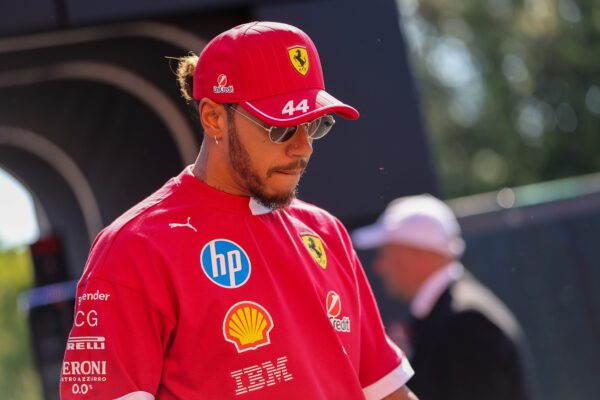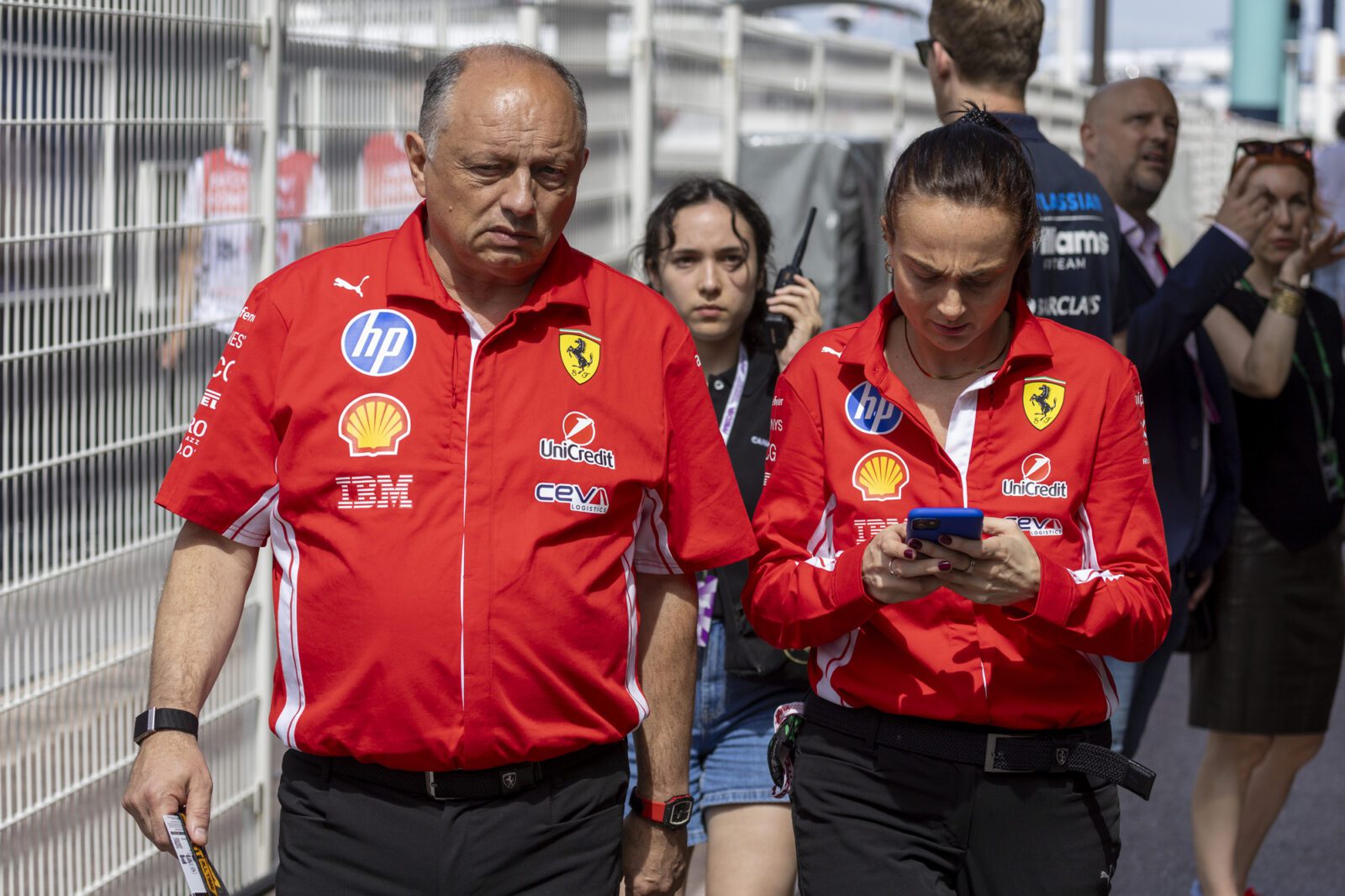
Following the 2026 United States Grand Prix, Ferrari Team Principal Fred Vasseur has initiated an investigation into the team’s Q3 performance. Charles Leclerc, who finished second in the race, experienced a significant dip in pace during the final qualifying session at the Circuit of The Americas (COTA).
During the United States Grand Prix qualifying session, Leclerc was the fastest driver in Q2 with a lap time of 1:34.198. However, he failed to improve this time in Q3, ultimately qualifying fourth on the grid. His Q2 time would have secured him second position, behind Kimi Antonelli’s Mercedes.
Kimi Antonelli secured pole position for Mercedes with a 1:33.950 lap. Max Verstappen qualified second for Red Bull with a 1:34.022, and Lando Norris placed third for McLaren at 1:34.105. Leclerc’s Q3 time was 1:34.250.
The top ten qualifiers for the 2026 United States Grand Prix were: 1. Antonelli (Mercedes), 2. Verstappen (Red Bull), 3. Norris (McLaren), 4. Leclerc (Ferrari), 5. Russell (Mercedes), 6. Sainz (Ferrari), 7. Piastri (McLaren), 8. Hamilton (Mercedes), 9. Albon (Williams), 10. Gasly (Alpine).
Vasseur stated that identifying the reason for the Q3 performance drop is a primary focus. He acknowledged that the overall pace of the SF-26 car was strong throughout the weekend, from Friday practice to the final race lap.
The frustration of tonight will be easy to manage because I think that, overall, we collectively did well and that we have to understand what we could do differently in Q3.
Vasseur emphasized that competitiveness is not solely about the car package but also about execution, setup, and tyre management. He highlighted the marginal differences in F1, where minor missteps can have significant consequences.
The Ferrari SF-26 has previously shown strong race pace but has occasionally struggled to bring its Pirelli tyres into the optimal operating window during single-lap qualifying runs. This issue is particularly evident in cooler conditions or after a suboptimal out-lap.
Engineers have been working on specific out-lap strategies and setup adjustments to address the SF-26’s sensitivity to tyre temperature fluctuations. Leclerc has previously noted the car’s delicate balance when tyres are not perfectly warmed.
The Circuit of The Americas experienced variable weather during the Grand Prix weekend, with cooler track temperatures observed during Saturday’s qualifying session compared to Friday practice. Gusts of wind were also reported during Q3, which can destabilize cars and affect tyre temperatures.
Leclerc attributed his Q3 difficulties to tyre temperature. He noted a ‘one or two degrees less’ track temperature in Q3, which made a ‘huge difference’ to his out-lap and subsequent grip. He reported significant sliding from the out-lap.
The 2026 Formula 1 season continues with reduced tyre blanket temperatures, a regulation introduced in 2025. This places greater emphasis on car design and driver technique to generate tyre heat on track, directly impacting qualifying performance.
In the race, Kimi Antonelli secured his second career F1 victory, finishing 13.5 seconds ahead of Leclerc. Leclerc’s late charge reduced the gap, but the qualifying deficit proved too substantial to overcome for a victory challenge.