

Formula 1 drivers Arvid Lindblad and Gabriel Bortoleto have expressed frustration regarding the electrical power limitations imposed during wet conditions at the recent Sao Paulo Grand Prix. The 2026 power unit regulations mandate a reduced electrical output for safety reasons, a measure that impacted racing dynamics.
Under the new 2026 power unit regulations, cars typically generate 350kw of electrical energy, constituting approximately 50% of the total power output. However, in wet weather, this output is capped at 250kw, a reduction of 100kw. This safety measure aims to assist drivers in maintaining control of their cars and preventing incidents in low-grip conditions.
The FIA implemented these refinements to the 2026 regulations in April 2026, following feedback from the initial three races of the season. These adjustments addressed qualifying, race safety, and wet weather performance. A key change included reducing ERS deployment to limit torque and enhance car control in low-grip scenarios.
A significant consequence of this regulation is the restriction on overtaking. While cars can operate freely in clean air, attempts to pass rivals can result in a power deficit as the 250kw cap is reached, initiating energy harvesting. Furthermore, the use of the ‘boost button,’ which provides up to an additional 350kW of power, is prohibited in wet conditions as part of these safety protocols.
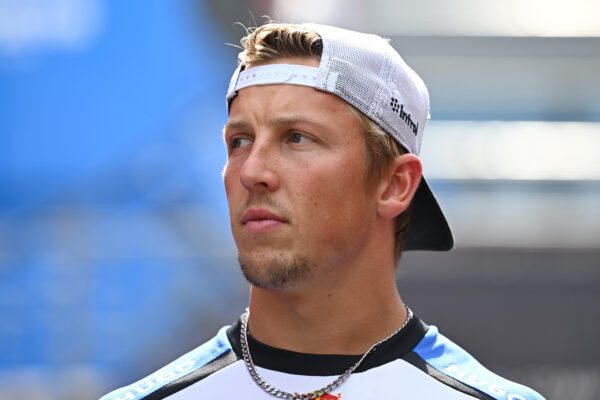
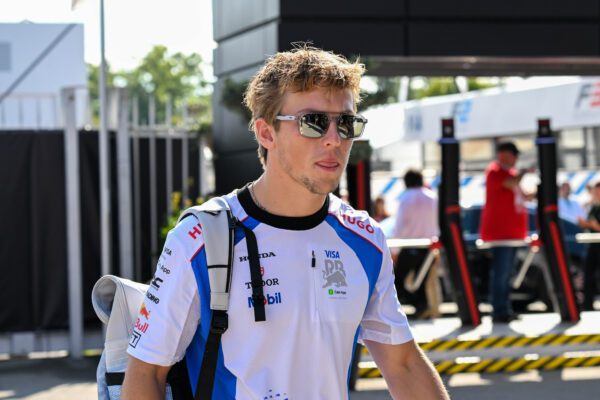
Arvid Lindblad, driving for Racing Bulls, encountered these limitations directly during the Sao Paulo Grand Prix. He was attempting to regain points positions after a second pit stop for slick tyres. Lindblad found himself battling Franco Colapinto’s Alpine and Nico Hulkenberg’s Audi for the final point in tenth place.
Lindblad reported that the energy speed limiter hindered his ability to overtake. He noted that after using the boost, Colapinto’s car accelerated faster at the end of the straight, negating his advantage. Lindblad’s race ultimately deteriorated in the closing laps, causing him to fall out of the points after running as high as eighth.
“It was a hard fight, and I had a speed limiter with the energy. So that was nice with the way it works. So I used the boost, and then he goes faster than me at the end of the straight, which is amazing, with the overtake mode.”
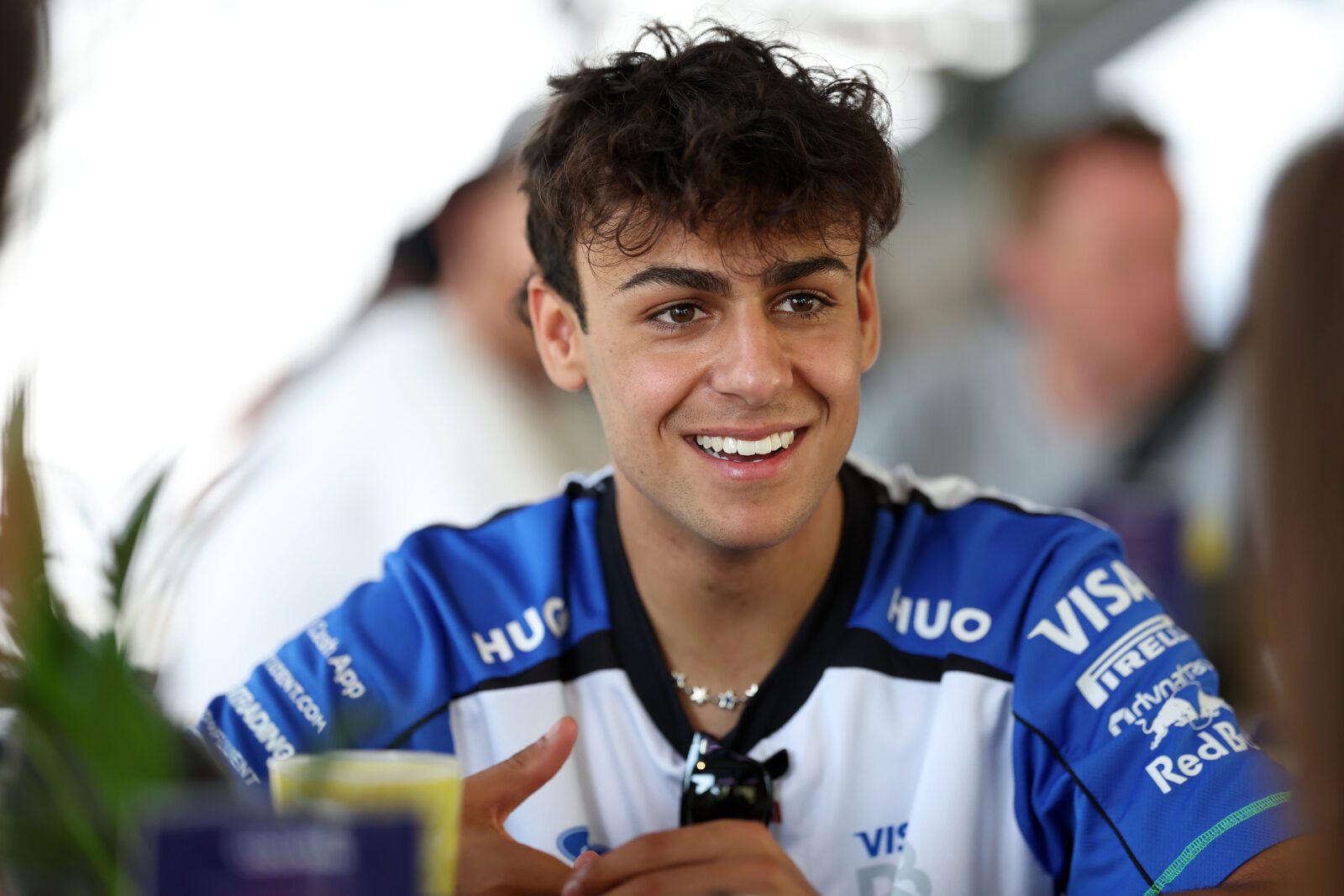
Gabriel Bortoleto, the Brazilian driver for Audi, also highlighted the challenges posed by the power cap. His weekend was compromised by a qualifying incident, forcing him to start 19th. Bortoleto recovered to 16th position during the race.
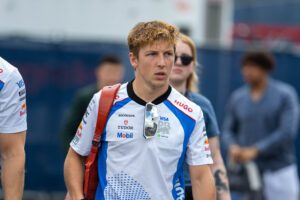
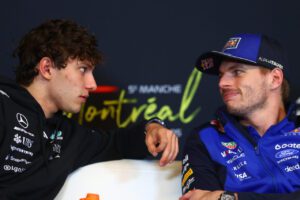
Bortoleto stated that the 250kw limit made overtaking difficult in traffic. He observed that once he reached clean air, his car was significantly quicker, but this advantage was nullified by his starting position.
“I mean, I got stuck, and it was difficult to overtake because we’re limited to 250kw on the straights. So it was difficult to make a really big gap, but as soon as I got clean air, I was very quick, but that doesn’t matter at the end of the day, because you are starting from the back.”
The Sao Paulo Grand Prix itself was characterized by variable wet-dry-wet conditions, with rain at the start, a period for slick tyres, and a late downpour necessitating intermediate tyres. Qualifying for the event was also conducted in treacherous conditions. Mercedes driver George Russell had previously warned of a high risk of incidents if such severe weather persisted during the race.
The 2026 power unit regulations represent a significant shift, emphasizing increased electrification and sustainable fuels. The MGU-K’s maximum electrical output has been substantially increased to 350 kW from 120 kW, with energy recovery during braking also significantly enhanced.