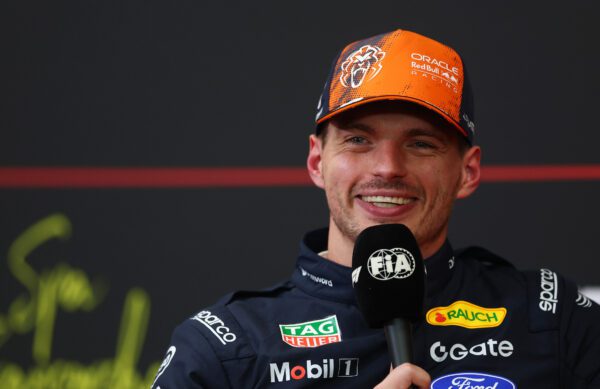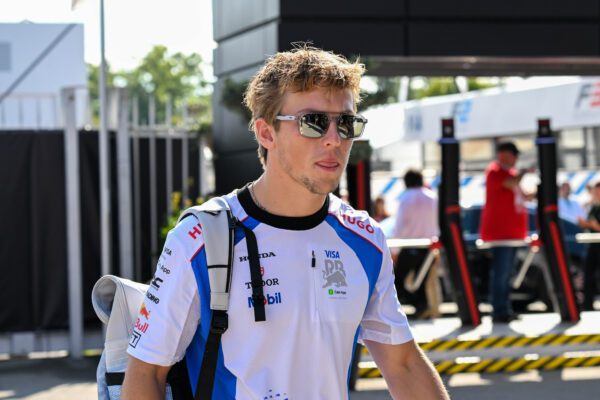




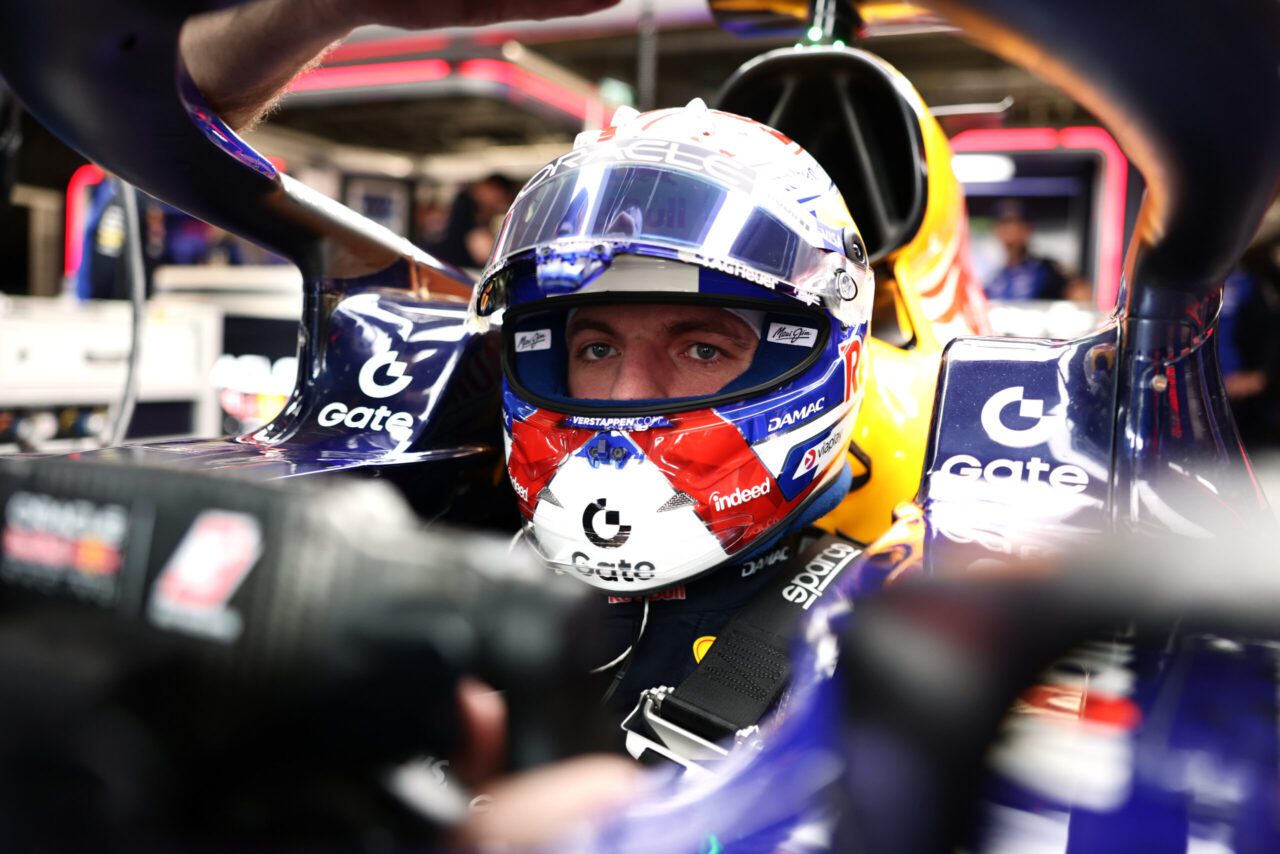
Former Formula 1 engineer Kees van de Grint has offered a measured assessment of Max Verstappen’s recent performance at the 2026 São Paulo Grand Prix. Despite widespread praise for Verstappen’s drive from 21st to second, Van de Grint suggests the result reflects more on the overall standard of the field than on an exceptional individual display.
Verstappen started the São Paulo Grand Prix from 21st position on the grid. This was due to an engine change penalty incurred earlier in the race weekend. The race at Interlagos on Sunday, November 8, 2026, was marked by challenging wet-dry-wet conditions.
The Red Bull driver executed a significant recovery, climbing 19 places to secure a second-place finish. He made rapid progress in the initial wet phase, entering the top ten within the opening laps.
Van de Grint, a former Bridgestone engineer with Ferrari and now a Viaplay analyst, stated he disagreed with the euphoria surrounding Verstappen’s drive. He indicated that the performance highlighted deficiencies among other drivers.
“I am not in agreement with the euphoria around him that it was so fantastic. I found it more telling about the rest.”
Nelson Valkenburg, a prominent Dutch F1 commentator for Viaplay, supported Van de Grint’s perspective. Valkenburg noted that while Verstappen’s opening phase was strong, he was not performing actions outside his established capabilities.
Valkenburg added that few drivers in the midfield appeared to understand the correct racing line in wet conditions. This observation aligns with broader criticisms regarding driver standards.
Fernando Alonso recently reiterated his concerns about the low driving standard at the rear of the Formula 1 grid. His comments followed an incident at the United States Grand Prix on October 29, 2026.

Alonso has previously criticised the 2026 technical regulations. He stated that the emphasis on battery power for overtakes diminishes the importance of driver talent.
Van de Grint also referenced Lewis Hamilton’s performance in Brazil. Hamilton, starting 20th due to a 65-place grid penalty, finished ninth in his 400th Grand Prix.
Hamilton made an impressive start, gaining 11 positions on the first lap. However, he later reported struggles with his Ferrari as the intermediate tyres degraded.
Valkenburg highlighted that Hamilton took a calculated risk by finding grip on the outside of the track in the rain. He noted that experienced kart and junior formula drivers understand this principle.
Both Verstappen and Hamilton demonstrated an ability to locate grip in the challenging conditions. This made their progress appear more straightforward than it was for other competitors.
Van de Grint concluded that few drivers have learned from past examples, including Verstappen’s earlier wet-weather masterclasses. He suggested that moving through the field in such conditions has become relatively easy due to the overall level.
Race winner Lando Norris secured victory from pole position, finishing 14.602 seconds ahead of Verstappen. Red Bull Team Principal Laurent Mekies acknowledged that McLaren and Norris were generally faster during the race.
Verstappen himself reported issues with his Red Bull RB22 during the Grand Prix. He experienced extreme oversteer after switching to slick tyres and believed his car lost aerodynamic performance.
Despite these car issues, Verstappen secured second place. His Red Bull teammate Isack Hadjar completed the podium in third, marking a double podium for the team.