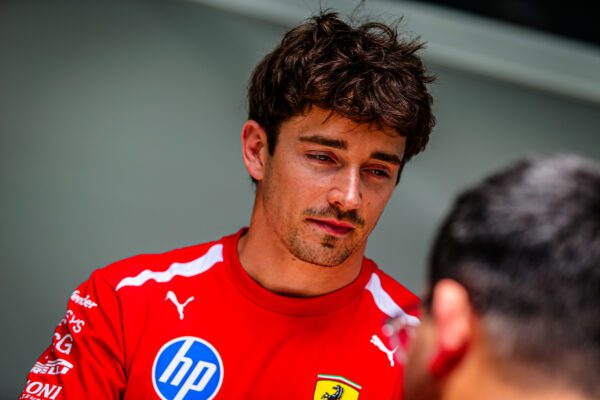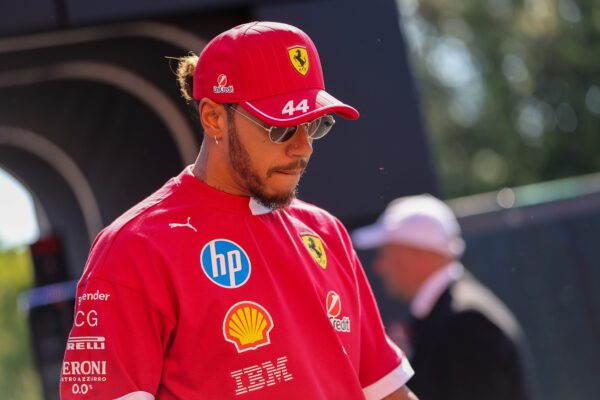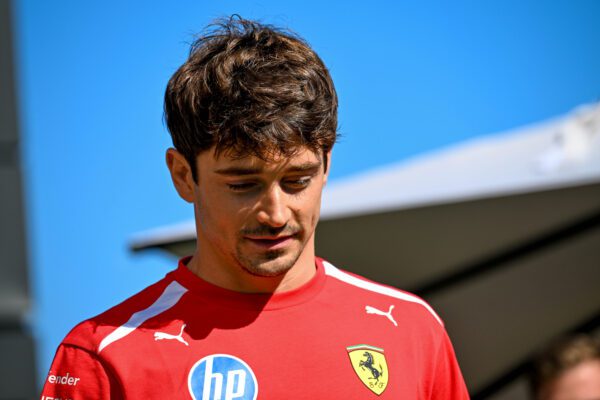
Viaplay analyst Indy Dontje has highlighted a significant difference in approach between Lewis Hamilton and Charles Leclerc regarding their ongoing rivalry at Ferrari. Both drivers are reportedly ambitious to be recognised as the team’s primary driver, but they are pursuing this goal through distinct methods.
Dontje suggests that Hamilton is increasingly attempting to exert influence behind the scenes, engaging with higher management within the team. In contrast, Leclerc is focused on proving his speed and superiority directly on the track, regardless of the potential consequences for the team’s overall performance.
This divergence in their strategies has already cost Ferrari valuable points throughout the current Formula 1 season. The internal division between the two highly accomplished drivers presents a considerable challenge for the Italian outfit.
“It is a fight between two alpha males. We have Lewis and Charles, and both are number one drivers. The prince of Ferrari against the seven-time world champion. At least, for now,” Dontje stated during an appearance on Faster Food.
Dontje particularly noted Leclerc’s method of engaging in the battle, observing that the Monegasque driver aims to demonstrate his speed on the circuit at all costs. This approach, according to the analyst, contrasts sharply with Hamilton’s more nuanced strategy.
Hamilton, a seven-time world champion, arrived at the Italian team with an impressive track record, while Leclerc has been a prominent figure for Ferrari for several years. Their impressive résumés set the stage for an intense internal dynamic.
Dontje explained that Hamilton now understands the internal dynamics better than Leclerc, opting to work through management to strengthen his position. This strategic difference makes it difficult for Ferrari to ensure both drivers are aligned.
The challenge for Ferrari extends beyond who scores the most points on a Sunday. It also encompasses how the team manages the intense rivalry between its drivers. When both pursue individual opportunities, it can detrimentally affect the collective result.

Dontje identified this as a recurring issue for the Italian racing team, pointing to missed points and costly errors. He cited the Mexican Grand Prix as a clear example where Ferrari could have achieved a particularly strong result.
According to Dontje, a one-two finish was genuinely possible in Mexico, an outcome the team had been anticipating all year. However, Ferrari failed to fully capitalise on that opportunity due to the internal dynamics and strategic decisions.
The ongoing rivalry between the drivers and the team’s subsequent decisions remain a significant talking point within the paddock. While the chaos at Ferrari can be entertaining for outsiders, it represents a costly problem for the team.
Ferrari must therefore find a way to manage the rivalry between Hamilton and Leclerc to prevent further loss of points. If both drivers continue to prioritise their own interests, hindering teamwork, the Scuderia risks squandering opportunities for strong results.
The visible chaos on track, though amusing to external observers, is becoming an increasingly pronounced and expensive problem for Ferrari. Team Principal Frédéric Vasseur reportedly had to speak with Charles Leclerc regarding the situation.