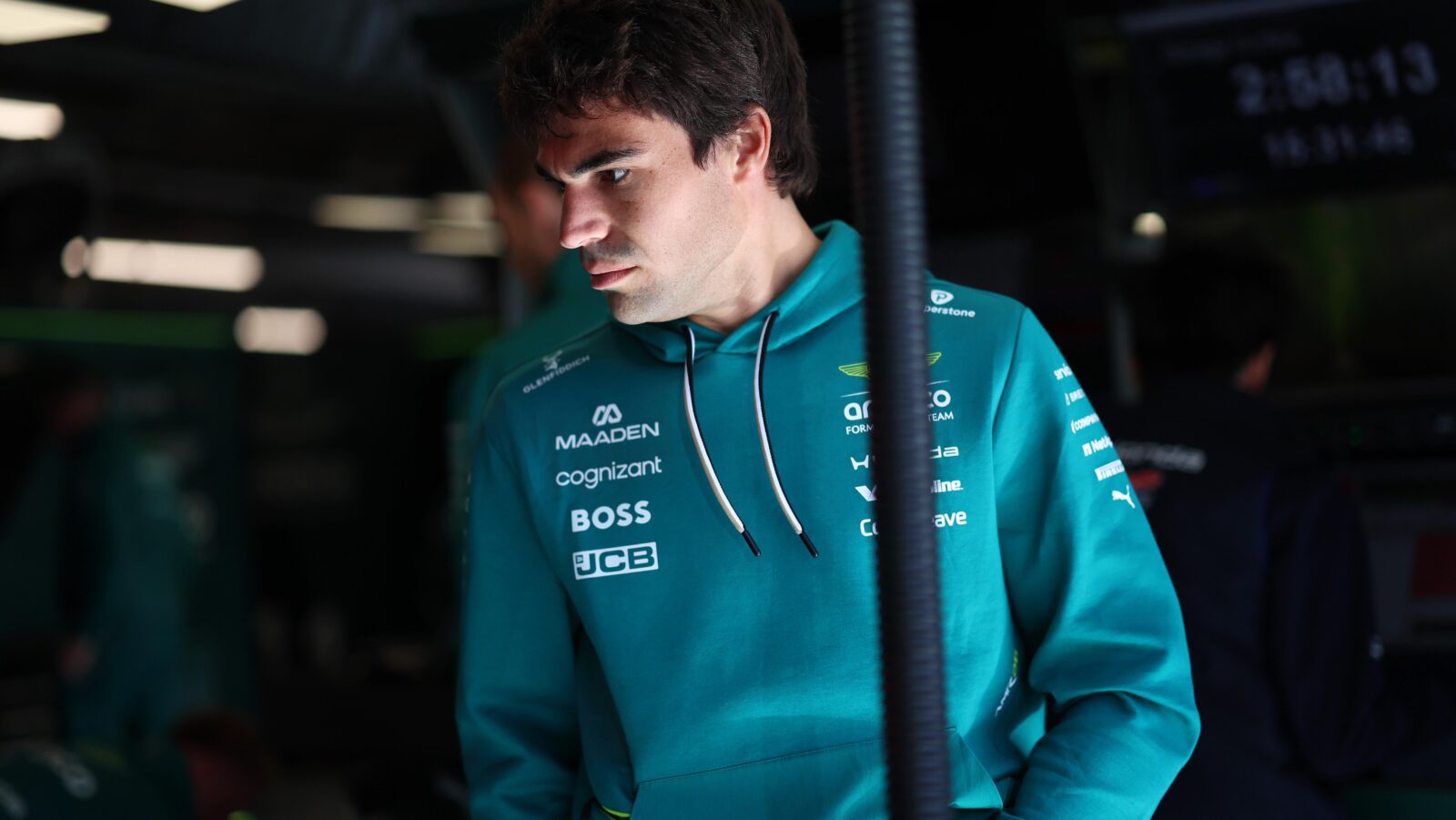
Formula 1 drivers endure extraordinary physical demands, operating at speeds exceeding 300 km/h in confined cockpits where temperatures can reach 50 degrees Celsius. These athletes must possess immense muscular strength, exceptional cardiovascular endurance, and rapid reflexes to control their powerful machines for up to two hours.
The extreme forces on a Formula 1 driver
G-forces represent the acceleration a body experiences relative to Earth’s gravity, significantly impacting drivers during rapid changes in speed or direction. These forces are measured in ‘g’ units, with 1g equaling Earth’s gravitational acceleration of approximately 9.81 m/s².
Drivers encounter distinct types of g-forces: longitudinal during acceleration and braking, lateral while cornering, and vertical from bumps or kerbs. Modern Formula 1 cars can generate peak lateral loads of around 6g in fast corners and up to 6.5g under heavy braking.
During acceleration, drivers typically experience between 2g and 4g, pushing them back into their seats. However, kerb strikes can produce instantaneous vertical spikes reaching 25g or more, causing shoulder-jarring impacts.
| G-Force Type | Typical Range | Peak Values | Direction of Force |
| Acceleration | 2g to 4g | 4g | Backward (into seat) |
| Braking | 5g to 6g | 6.5g | Forward (against belts) |
| Lateral (Cornering) | 4g to 6.5g | 6.5g | Sideways (against cockpit) |
| Kerb Strike (Vertical) | – | 25g+ (instantaneous) | Upward/Downward |
These sustained forces make a driver’s head and helmet, weighing approximately 7 kilograms, feel like 42 kilograms pulling violently in every direction during a 6g corner. This immense pressure primarily strains the neck and core muscles, demanding specialized training to maintain stability and vision.
Physiological strain and environmental challenges
Formula 1 drivers maintain average heart rates around 170 beats per minute (bpm) during a race, comparable to marathon runners, with peaks potentially reaching 200 bpm. This elevated heart rate is due to both physical exertion and the intense mental concentration required for extended periods at high speeds.
Cockpit temperatures can soar to 50 degrees Celsius (122°F), sometimes reaching 60 degrees Celsius at tracks like Singapore and Qatar, coupled with high humidity. Drivers wear fireproof race suits, balaclavas, gloves, and helmets, exacerbating the heat stress.
As a result of these strenuous conditions, drivers can lose between 2 to 4 kilograms (4 to 9 lbs) of body weight during a single race, primarily through sweat. This equates to losing up to 3 to 4 liters of fluid, making effective hydration before, during, and after a race absolutely critical.


Dehydration significantly impairs alertness and concentration, leading to increased errors and slower reaction times, which are detrimental in a sport decided by milliseconds. Drivers pre-load with fluids and electrolytes to maximize hydration status and delay the effects of fluid loss.
Comprehensive fitness and strength requirements
Neck strength is paramount for Formula 1 drivers, as their heads and helmets can feel five to six times heavier under g-forces. Drivers train their necks almost daily, typically five times a week, using weighted helmets, resistance bands, and specialized rigs to simulate lateral forces.
Core strength is equally important for stabilizing the body against high g-forces and maintaining proper posture throughout the race. Exercises such as planks, bridges, and anti-rotation drills are fundamental to developing this stability.
Robust arm and leg muscles are essential for managing the heavy, unassisted steering and applying powerful braking forces. Drivers exert nearly 140 to 176 kilograms of force on the brake pedal repeatedly during a race, requiring significant leg strength.
Arm training includes dumbbell curls, tricep extensions, and shoulder presses, while leg training involves squats, calf raises, lunges, deadlifts, and kettlebell lunges. Grip strength is also crucial, with elite drivers demonstrating grip scores exceeding 55 kg.
Cardiovascular endurance and training regimens
High cardiovascular fitness is necessary for drivers to sustain peak performance throughout a two-hour race, managing elevated heart rates and preventing fatigue. This fitness helps lower blood lactate production and aids in heat regulation, especially in hot and humid climates.
Drivers engage in a variety of endurance sports, including running, cycling, rowing, swimming, triathlons, and cross-country skiing. High-Intensity Interval Training (HIIT) and continuous training are common methods to improve both aerobic and anaerobic fitness.
Pre-season training involves intensive routines, often with two sessions a day, six times a week, for seven to eight weeks, combining cardiovascular endurance, strength, and high-intensity work. This disciplined approach ensures drivers are prepared for the physical rigors of the racing calendar.
Adapting to the 2026 Formula 1 regulations
The 2026 Formula 1 regulations introduce shorter, narrower, and lighter cars, with the minimum weight reduced from 800kg to 768kg. These changes, combined with narrower Pirelli tires, aim to create more nimble cars and enhance wheel-to-wheel racing.
Active aerodynamics will be a feature, allowing cars to dynamically adjust front and rear wing angles. “X-mode” will provide low drag on straights for increased top speed, while “Z-mode” will offer maximum downforce for braking and cornering.
A new “Overtake Mode” will replace DRS, providing an electrical power boost to an attacking car when within one second of the car ahead. This mode allows for a higher sustained speed for a longer period, adding a strategic element to racing.
Nikolas Tombazis, the FIA’s head of single-seaters, has indicated that the 2026 cars are designed to be physically easier to drive than the current ground-effect generation, which caused drivers like Max Verstappen to complain of back pain due to car stiffness. From the 2025-2026 season, a water-circulating driver cooling system will be mandatory if temperatures exceed 31°C.
Despite these intended improvements, some drivers have expressed concerns during testing about potential overtaking difficulties and battery management quirks with the new regulations. The balance between energy deployment and recovery will be a critical aspect of driver performance.