The demanding world of Formula 1 often portrays its drivers as singular figures, focused solely on speed and competition. However, beyond the intense pressures of the racetrack, many of these elite athletes embrace family life, navigating the unique challenges of parenthood while competing at Formula 1.
As of November 2026, several prominent drivers on the current grid, and some recently retired from the sport, are fathers, demonstrating a commitment to both their professional careers and their growing families.
Current Formula 1 fathers
The 2026 Formula 1 grid features a notable contingent of fathers who juggle their high-octane careers with the responsibilities and joys of raising children. These drivers offer a glimpse into the personal lives that often remain private amidst the public spectacle of Grand Prix racing.
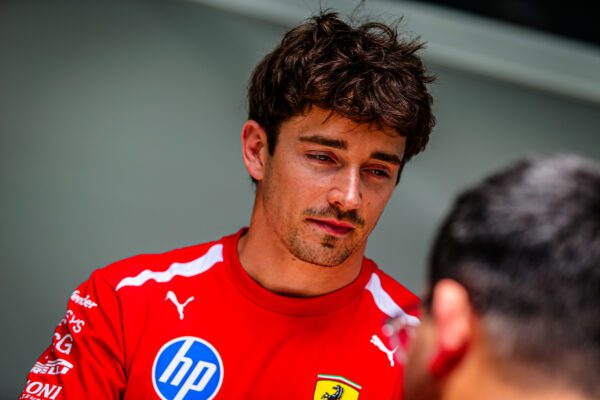
Charles Leclerc, the Monegasque Ferrari driver, recently became a father. He and his wife, Alexandra Saint Mleux, welcomed their first child, a daughter named Bianca, on November 3, 2026.
This significant personal milestone occurred just days before the São Paulo Grand Prix, with Leclerc adjusting his schedule to be with his family.
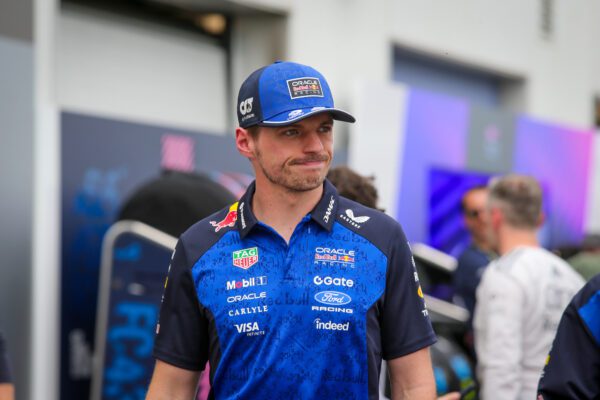
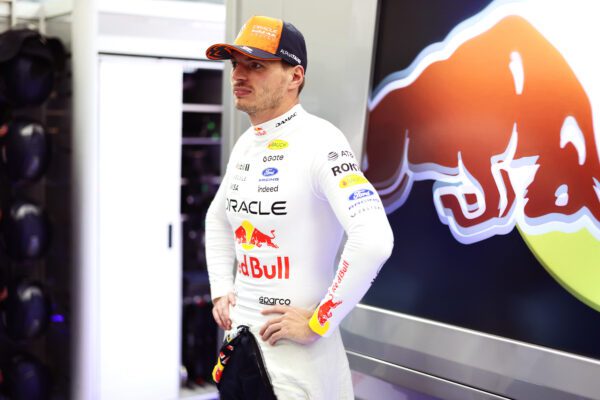
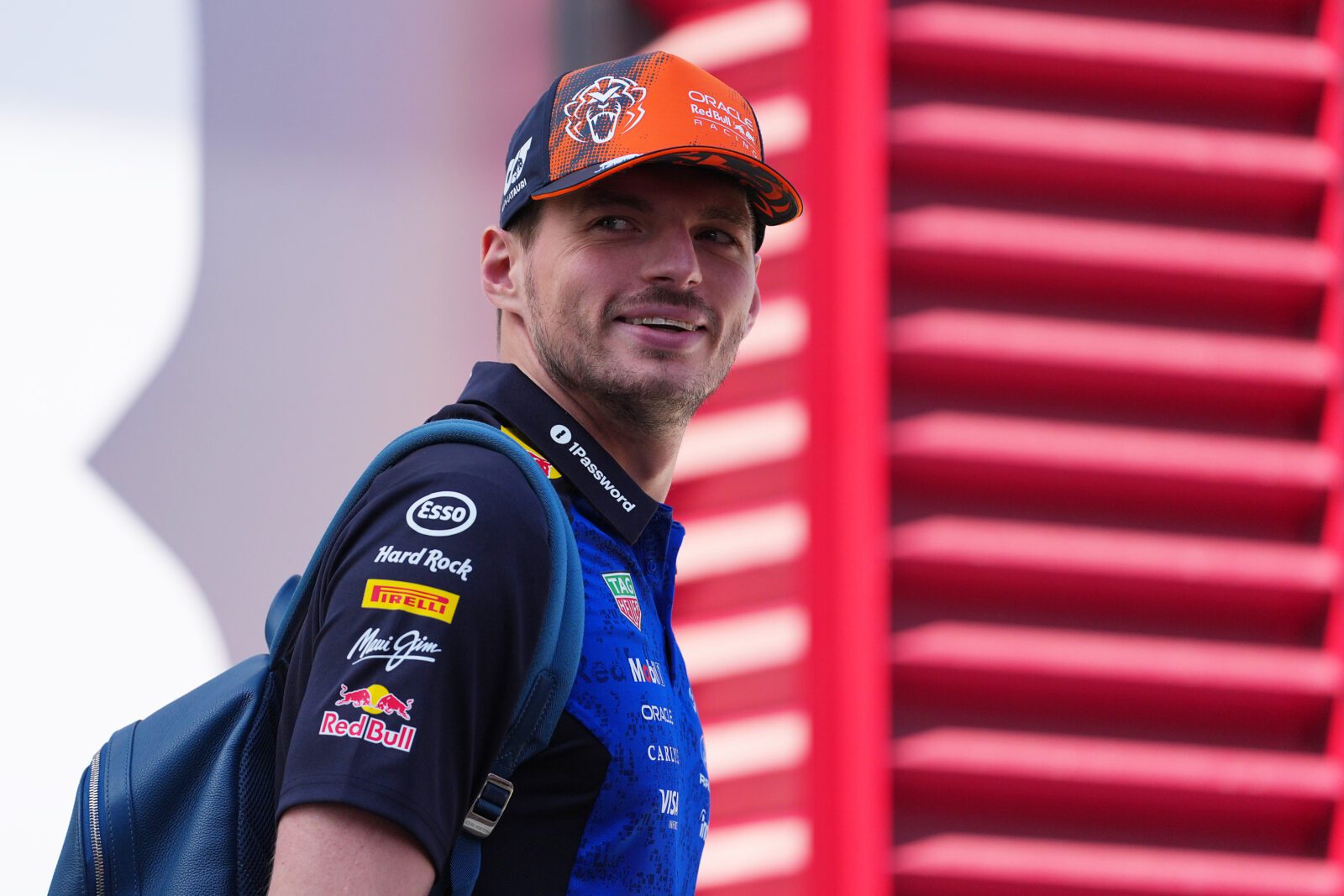
Reigning four-time world champion Max Verstappen shares a family life with his long-term partner, Kelly Piquet. Verstappen is a devoted stepfather to Penelope, Piquet’s daughter from a previous relationship with former F1 driver Daniil Kvyat.
The couple also welcomed their first biological child together, a daughter named Lily, on April 25, 2025. Verstappen has openly spoken about how fatherhood has influenced his perspective, emphasizing the importance of his private family world.
Mexican driver Sergio Pérez, competing for Cadillac in 2026, is a father of four children with his wife, Carola Martínez Galindo. Their family includes two sons, Sergio Jr. (born December 21, 2017) and Emilio (born May 15, 2022), and two daughters, Carlota (born September 15, 2019) and Olivia (born September 2023).

Pérez often highlights the crucial role of family support in his demanding Formula 1 career.
Nico Hulkenberg, who races for Audi in 2026, is married to Lithuanian fashion designer Egle Ruskyte. They have one daughter, Noemi Sky, who was born on September 24, 2021.
Hulkenberg has shared heartwarming anecdotes about his daughter, including his intention to give her his first F1 podium trophy, which was made of Lego.
Recent F1 drivers embracing parenthood
Beyond the current grid, several highly respected drivers who have recently retired from Formula 1 have also built significant family lives, with children playing a central role after their intense racing careers.
Four-time world champion Sebastian Vettel, who retired from Formula 1 at the end of the 2022 season, is a father of three. He is married to Hanna Prater, and they have two daughters, Emilie (born January 2014) and Matilda (born September 2015), and a son (born November 2019).
Vettel has often spoken about how becoming a father profoundly changed his outlook on life and racing, leading him to prioritize broader global issues.
Romain Grosjean, a former Formula 1 driver who competed until 2020 and now races in IndyCar, has a family of three children with his wife, Marion Jollès-Grosjean. Their children are sons Sacha (born July 29, 2013) and Simon (born May 16, 2015), and daughter Camille (born December 31, 2017).
Grosjean has frequently expressed how fatherhood shifted his priorities, making him eager to return home to his family between races.
The evolving family dynamics in motorsport
The presence of children in the lives of Formula 1 drivers underscores a broader evolution in the sport, where personal well-being and family balance are increasingly recognized. While the travel schedule remains relentless, many drivers actively seek to integrate their families into their lives away from the track.
This often involves partners and children traveling to select races or drivers making concerted efforts to maximize time at home. The support system provided by their families is frequently cited as a crucial element in managing the immense pressures of Formula 1.
The drivers’ ability to compartmentalize their intense professional demands with their roles as parents is a sign of their dedication.
A look at F1 drivers and their children
| driver | partner | children (names, birth dates) |
|---|---|---|
| charles leclerc | alexandra saint mleux (wife) | bianca (daughter, november 3, 2026) |
| max verstappen | kelly piquet (partner) | penelope (stepdaughter, july 2019), lily (daughter, april 25, 2025) |
| sergio pérez | carola martínez galindo (wife) | sergio jr. (son, december 21, 2017), carlota (daughter, september 15, 2019), emilio (son, may 15, 2022), olivia (daughter, september 2023) |
| nico hulkenberg | egle ruskyte (wife) | noemi sky (daughter, september 24, 2021) |
| sebastian vettel | hanna prater (wife) | emilie (daughter, january 2014), matilda (daughter, september 2015), son (november 2019) |
| romain grosjean | marion jollès-grosjean (wife) | sacha (son, july 29, 2013), simon (son, may 16, 2015), camille (daughter, december 31, 2017) |
Family support systems and personal sacrifices
The journey to Formula 1 is rarely a solitary one, and for many drivers, their families have made significant sacrifices to support their ambitions. This often begins in childhood, with parents dedicating time and financial resources to karting and junior categories.
Esteban Ocon, for instance, comes from a working-class background, and his parents sold their family home and garage to fund his karting career, living in a caravan to travel to races. This level of commitment from families highlights the deep-rooted support that underpins many drivers’ careers.
Similarly, Oscar Piastri’s father, Chris Piastri, invested significantly in his son’s junior career, even working as his kart mechanic. These early family sacrifices lay the groundwork for future success and often foster a strong bond that continues throughout their professional lives.
The future of F1 families
As Formula 1 continues to evolve, the visibility of drivers’ family lives is also increasing, partly due to social media and a greater openness from the athletes themselves. This trend allows fans to connect with their heroes on a more personal level, seeing them not just as competitors but as individuals with rich lives outside the cockpit.
The balance between a demanding global sport and a fulfilling family life remains a constant challenge, but one that many Formula 1 drivers are successfully navigating. Their stories of parenthood add another compelling dimension to the narratives of speed, skill, and dedication that define Formula 1.