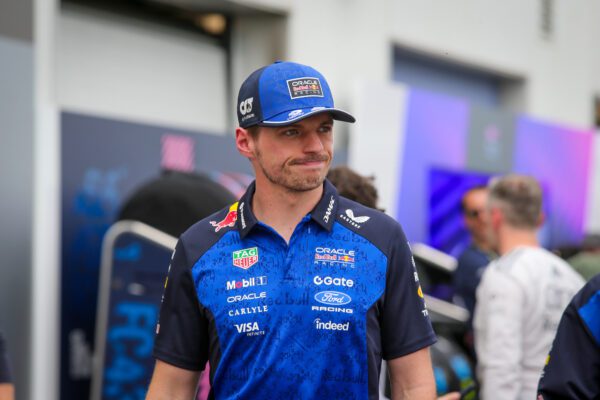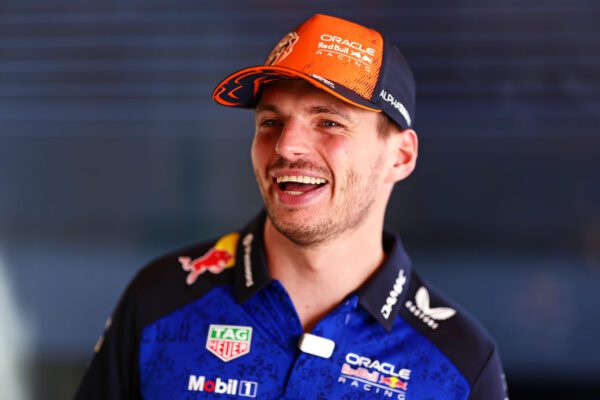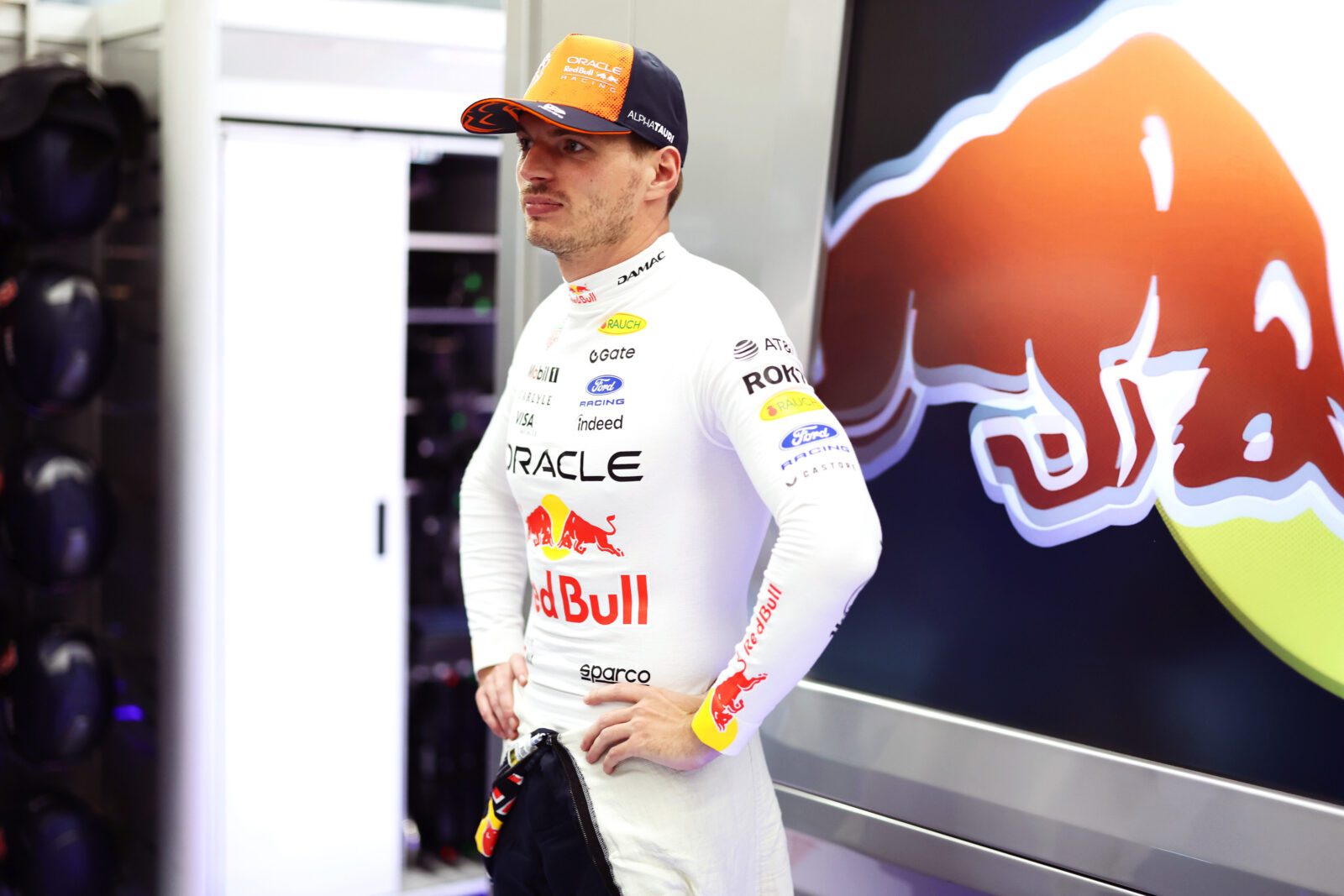
Max Verstappen has openly discussed his firm stance against competing in the iconic Indianapolis 500, citing significant personal reasons. The reigning Formula 1 champion revealed his perspective in Qatar, highlighting the extreme risks associated with the renowned oval race.
Verstappen has witnessed firsthand the severe consequences of heavy crashes at the world-famous circuit. He shared that his father-in-law, Nelson Piquet, continues to suffer considerably from injuries sustained during a major incident at Indianapolis.
Piquet, a triple Formula 1 world champion, announced his departure from F1 in 1992 before entering the Indianapolis 500 a few months later. During practice, he crashed heavily, hitting the wall almost head-on.
The Brazilian sustained multiple fractures to his lower legs and feet, with his left leg completely shattered. Piquet underwent six-hour operations to reconstruct his left foot and ankle, narrowly avoiding amputation.
He then faced months of rehabilitation. Verstappen’s comments indicate that Piquet has never fully recovered from the accident, influencing the Dutchman’s view on the event.
“I like to watch it, but I also know there are high risks with crashes,” Verstappen stated. “I know more than enough examples. Even my father-in-law had a very heavy crash there.”
“When I see how he has had to live his whole life after that crash, that is a risk I do not want to take, especially as I already do Formula 1 and race in GT3.”
Verstappen explained that his decision is purely about risk management, not a lack of confidence in his ability. “It’s not so much that I think I wouldn’t be good at it. It purely has to do with risk management. That’s why I don’t want to do it,” he affirmed.
He added that a driver already takes enough risks in their career. “At some point, you already take enough risk. Sometimes it’s good to have a few weekends where you are not constantly living on the limit,” Verstappen remarked.
Despite his reservations about IndyCar ovals, Verstappen is one of the few F1 drivers who shows interest in other motorsport categories. This year, he competed in the Nürburgring 24 Hours on one of the world’s most dangerous circuits.
He also participated in the season finale of the GT World Challenge in Portugal, demonstrating his versatility across different racing disciplines. His recent victory in Las Vegas showcased his strength in slipstream battles.
The Las Vegas Grand Prix marked Verstappen’s fourth win of the season, though it differed significantly from his previous triumphs in Malaysia, Singapore, and Mexico, where he faced minimal overtaking.
In Las Vegas, the Red Bull Racing driver was overtaken 17 times but regained the lead within a few corners on each occasion. Following the race, Verstappen commented that he felt the event did not fully represent what Formula 1 should stand for.
Laurent Mekies, Verstappen’s team principal, suggested that the victory was secured by outsmarting Mercedes, raising questions about Red Bull’s energy management. Verstappen acknowledged collective progress in this area.
“We have all gotten better at it. The drivers and the teams understand energy management better,” Verstappen explained after 21 Grands Prix. He noted that this is normal with new regulations.
“If you look back at the first weekend, I think we would all do it very differently now,” he said, referring to the chaotic opening phase of the Australian Grand Prix.
Verstappen concluded that it would be detrimental not to learn from past experiences. “It would be bad if you went back and didn’t know what you should have done differently. That is normal progress.”
While Las Vegas was an exception, teams are generally more aligned on energy management strategies nowadays. Verstappen’s focus remains on F1 and GT racing, with no plans for the Indy 500.