formula 1, Formula 1, has witnessed periods of extraordinary dominance by both individual drivers and formidable constructor teams. These winning streaks represent a perfect synergy of driver skill, engineering prowess, and strategic execution, etching their names into the sport’s rich history.
As of november 2026, the records for consecutive victories highlight eras where certain competitors seemed almost unbeatable, setting benchmarks that stand as ultimate tests of sustained performance.
Driver dominance: Max Verstappen’s record-breaking run
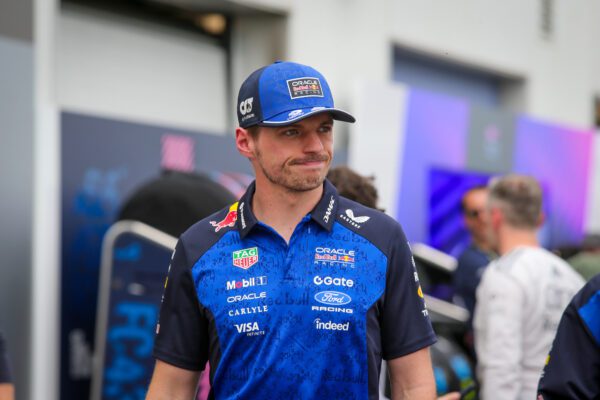
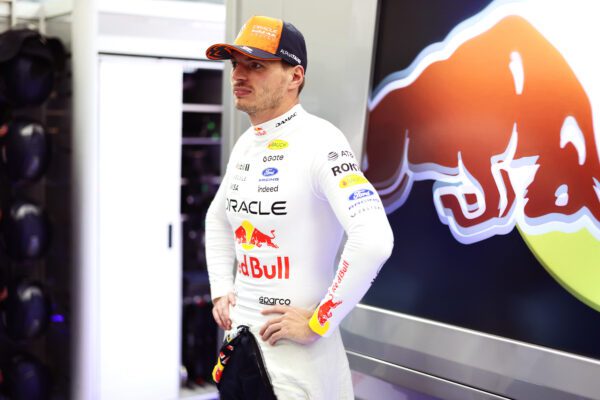
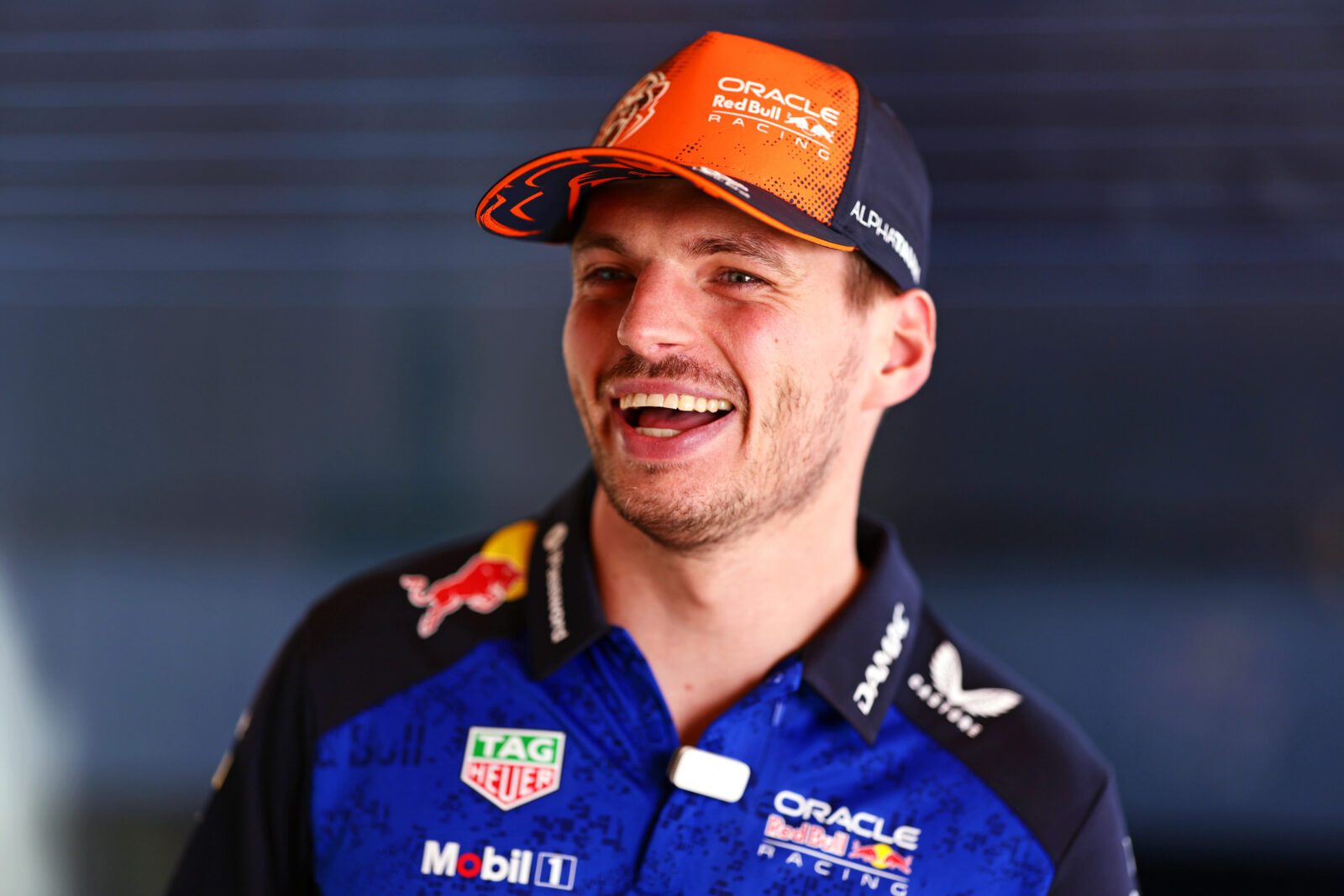
Max verstappen currently holds the outright record for the longest winning streak by a driver in formula 1 history. He achieved an astonishing ten consecutive victories during the 2023 season, driving for red bull racing.
This remarkable run began at the miami grand prix in may and concluded at the italian grand prix in september of that year.
Verstappen’s 2023 season was a sign of his exceptional talent and the red bull rb19’s overwhelming performance. This streak surpassed the previous record held by sebastian vettel, further solidifying his place among the sport’s legends.
Historic driver streaks: vettel, schumacher, and ascari
Sebastian vettel, another red bull driver, previously held the record with nine consecutive wins in 2013. His dominant streak spanned from the belgian grand prix to the brazilian grand prix, marking a period of absolute control in his fourth championship-winning season.
Alberto ascari, a legend from formula 1’s early years, also achieved a remarkable nine consecutive victories. This streak for ferrari occurred across the 1952 and 1953 seasons, from the belgian grand prix in 1952 to the belgian grand prix in 1953, if the indianapolis 500 races are excluded from the count.
The indianapolis 500 was technically part of the f1 world championship calendar at the time, but was not typically contested by the european grand prix regulars.
Michael schumacher, a seven-time world champion, recorded a seven-race winning streak in 2004 with ferrari. This impressive run stretched from the european grand prix to the hungarian grand prix, showcasing his and ferrari’s formidable partnership. schumacher also had a six-race unbeaten streak across the 2000 and 2001 seasons.
Other notable driver achievements
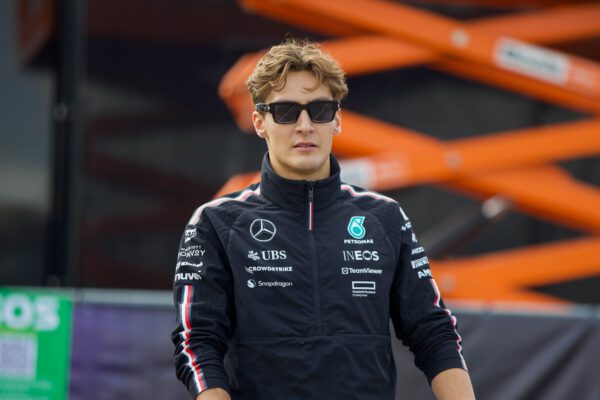
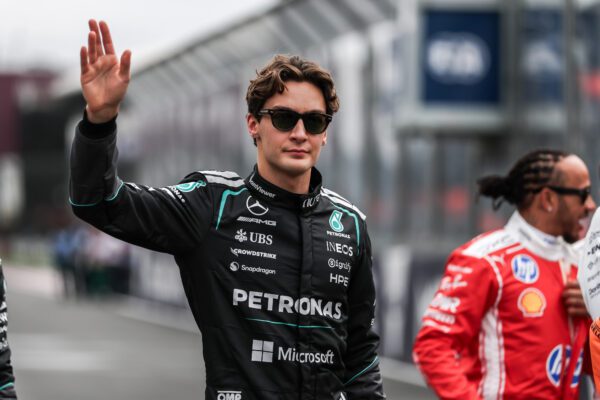
Nico rosberg, driving for mercedes, also achieved a seven-race winning streak. His run began at the 2015 mexican grand prix and extended into the 2016 season, concluding at the russian grand prix. this momentum was crucial in his eventual 2016 world championship triumph.
Several other iconic drivers have achieved five or more consecutive victories. Jim clark secured six wins in a row in 1965 with lotus. jack brabham, driving his own cooper, managed five consecutive wins in 1960.
Nigel mansell’s dominant 1992 season with williams saw him take five straight victories from the South African grand prix to the san marino grand prix. lewis hamilton, with mercedes, has achieved five consecutive wins on two separate occasions,
First in 2014 and again in 2020. most recently, and notably for the 2026 season, andrea kimi antonelli has recorded five consecutive wins for mercedes.
| driver | consecutive wins | team | years |
|---|---|---|---|
| max verstappen | 10 | red bull | 2023 |
| sebastian vettel | 9 | red bull | 2013 |
| alberto ascari | 9 (or 7) | ferrari | 1952-1953 |
| michael schumacher | 7 | ferrari | 2004 |
| nico rosberg | 7 | mercedes | 2015-2016 |
| jim clark | 6 | lotus | 1965 |
| jack brabham | 5 | cooper | 1960 |
| nigel mansell | 5 | williams | 1992 |
| lewis hamilton | 5 | mercedes | 2014, 2020 |
| andrea kimi antonelli | 5 | mercedes | 2026 |
Constructor supremacy: Red Bull’s unprecedented success
Red bull racing holds the record for the longest winning streak by a constructor, achieving an incredible fifteen consecutive victories. This dominant run spanned from the 2022 abu dhabi grand prix to the 2023 italian grand prix.
During this period, max verstappen contributed thirteen wins, while sergio pérez added two,
Showcasing the team’s overall strength and the exceptional performance of their machinery. this streak surpassed a long-standing record and is considered by many to be a benchmark that will be difficult to break.
Legendary team runs: McLaren, Ferrari, and Mercedes
Before red bull’s recent achievement, mclaren held the modern-era record with eleven consecutive wins in 1988. This iconic season saw ayrton senna and alain prost dominate, winning every race except one.
Ferrari also boasts a significant streak of fourteen consecutive wins, achieved across the 1952 and 1953 seasons. This record is often cited when excluding the indianapolis 500 races from the championship count.
Mercedes, during their turbo-hybrid era dominance, achieved ten consecutive wins on multiple occasions. They managed this feat three times, including a streak from the end of 2015 into the start of 2016, and two separate ten-race runs within the 2016 season. another ten-race streak occurred in 2019.
| constructor | consecutive wins | years |
|---|---|---|
| red bull racing | 15 | 2022-2023 |
| ferrari | 14 | 1952-1953 |
| mclaren | 11 | 1988 |
| mercedes | 10 | 2015-2016, 2019 |
The essence of a winning streak
Achieving a prolonged winning streak in formula 1 demands an extraordinary confluence of factors. It requires a driver operating at the absolute peak of their abilities, consistently extracting maximum performance from the car in every session.
The engineering team must deliver a car that is not only fast but also supremely reliable, capable of enduring the rigours of multiple grand prix weekends without mechanical failure.
Strategic brilliance from the pit wall is equally vital, making optimal decisions on tyre management, pit stop timings, and race tactics. Furthermore, a degree of fortune, avoiding incidents or unexpected safety car periods that could disrupt momentum, often plays a role.
These streaks are rare and celebrated precisely because they represent a near-perfect execution of every element required for success in formula 1.