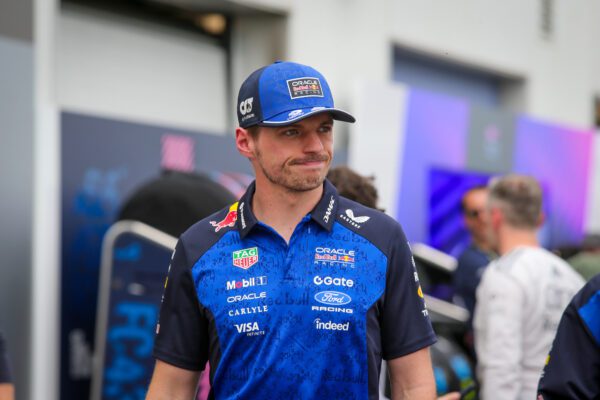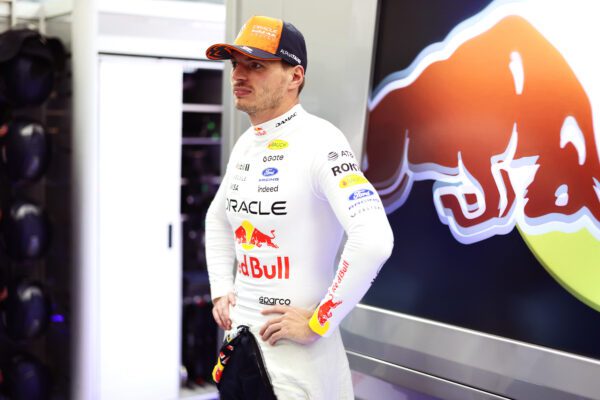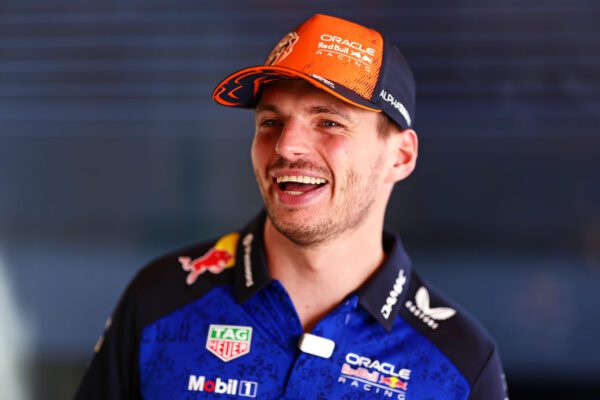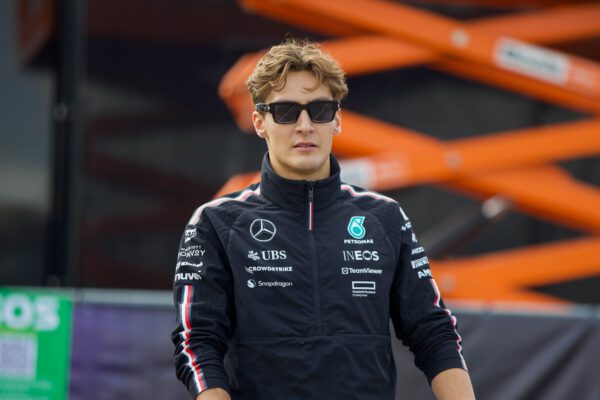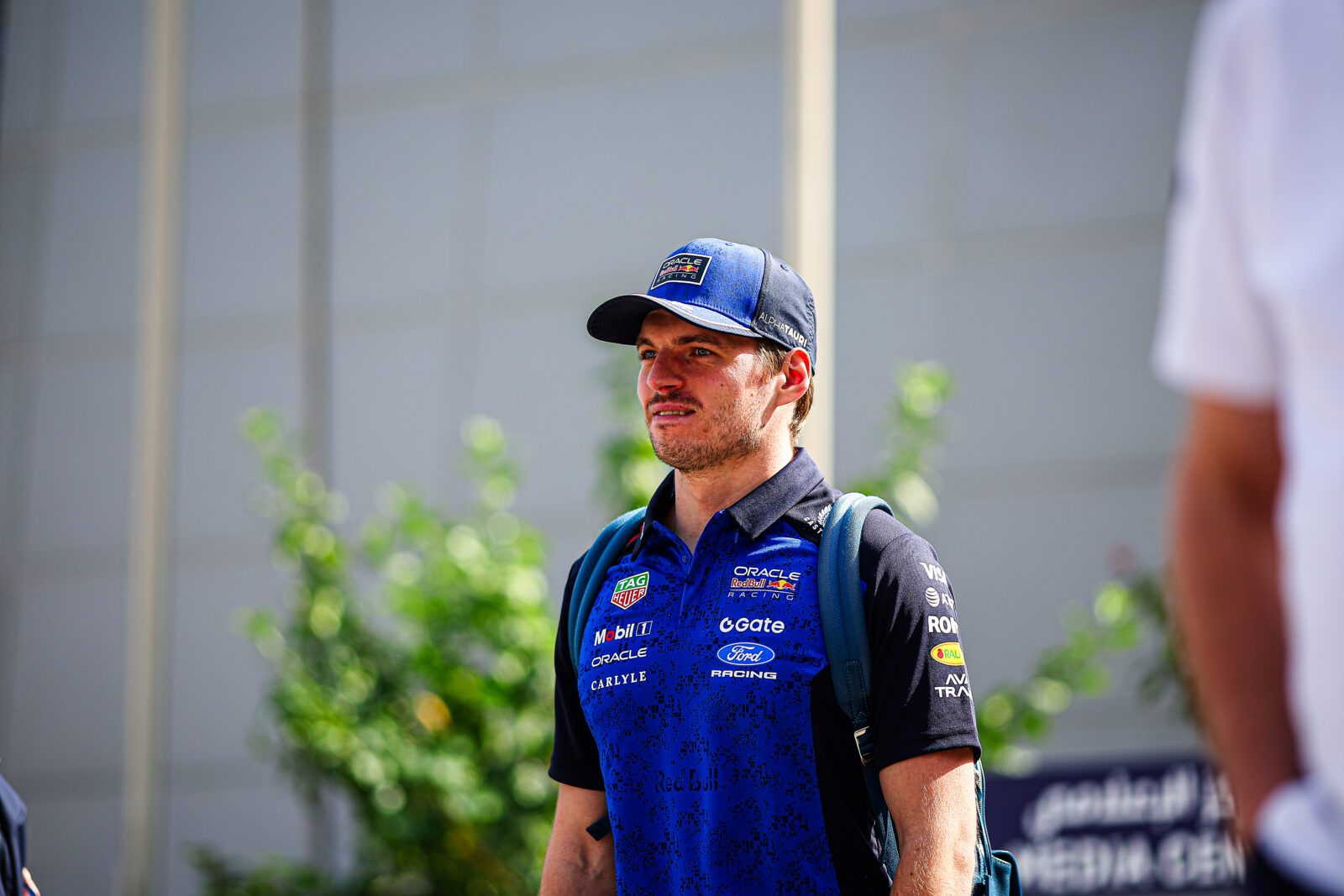
George Russell once again spoke out clearly about Max Verstappen during the recent Las Vegas Grand Prix weekend. Andrew Benson, a prominent F1 journalist for the BBC, believes the Mercedes driver is fully entitled to express his views on the matter. However, Benson ultimately concludes that Russell’s outspokenness primarily impacts himself, rather than Verstappen.
Russell’s strong opinions on the four-time world champion’s on-track conduct in Las Vegas were not a new occurrence. This pattern caught the attention of a BBC follower, who questioned Benson about Russell’s frequent need for psychological games and remarks concerning Verstappen.
The follower suggested these tactics often backfire for Russell, particularly when he has little to gain, asking if he should instead focus on his own performance. Benson then shared his perspective on the ongoing rivalry between Verstappen and Russell, which has deep roots.
“As Mercedes team principal Toto Wolff already noted after the Las Vegas race, this is a rivalry that goes back years. Wolff stated that they have known each other for a very long time and that it has probably been a bit of a cat-and-mouse game. There were provocations from both sides, a nice extra for the public,” Benson summarised Wolff’s sentiments.
Benson also referenced another incident involving Verstappen, a minor altercation with Racing Bulls driver Liam Lawson during a free practice session in Mexico. This situation was comparable in some respects, with stewards ruling that both drivers had driven unacceptably.
Both Verstappen and Lawson admitted their manoeuvres were unnecessary and clumsy, leading to Verstappen receiving a grid penalty for his role in the incident. Benson then returned to Russell’s statements about Verstappen’s driving after qualifying in Las Vegas.
“There is no doubt that Russell meant what he said about Verstappen’s driving behaviour in the final practice in Las Vegas. According to the stewards, he was also correct, as Verstappen received a warning for moving under braking,” Benson affirmed.
Benson pondered whether these are psychological games or simply Russell speaking his mind, noting that the British driver clearly believes he has a valid point. However, the journalist questioned if the 28-year-old gains anything from publicly criticising his Dutch rival.
“That he does this publicly seems to affect Verstappen in no way whatsoever. Does it change anything? Verstappen is a ruthless, merciless competitor on the track, whether he is provoked or not,” Benson concluded, effectively answering his own question.
While Verstappen does show awareness of the comments, according to Benson, they do not alter his racing approach. “Yes, he expressed his satisfaction when he saw Russell make a mistake in the closing stages of the Las Vegas race. But did he drive differently because of the Briton’s remarks? That is highly unlikely,” Benson stated.
Verstappen simply did what he deemed necessary to win the race. Benson concluded by emphasising that it is ultimately Russell’s career, and it is up to him how he conducts himself and what he chooses to say publicly.