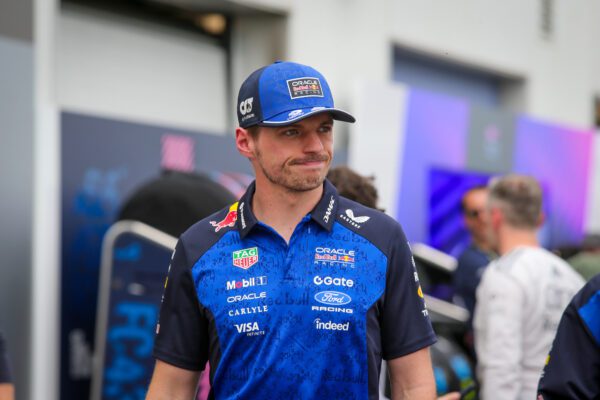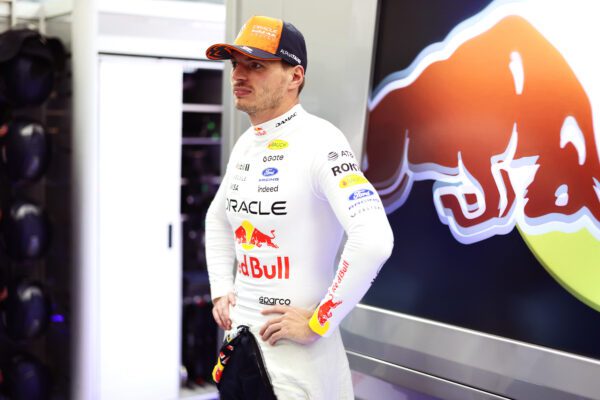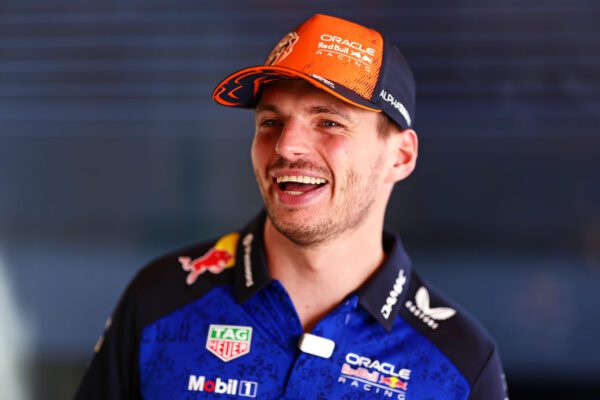
Max Verstappen continues to be an invaluable asset for Red Bull Racing, leading the points standings over the past fifteen Grand Prix weekends despite the team not having the outright best car. This consistent performance has led to questions about what makes the four-time world champion so exceptional compared to other drivers.
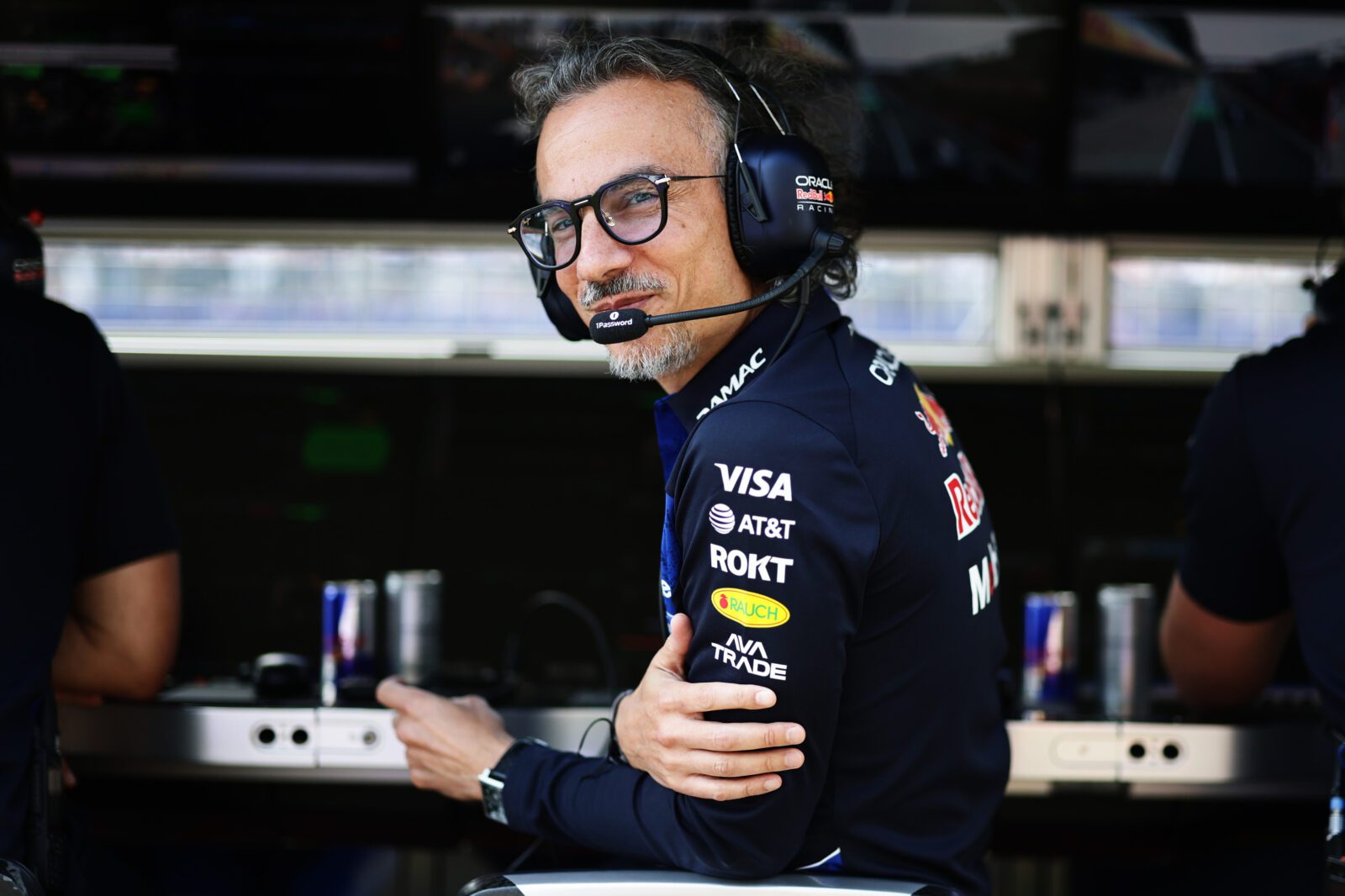
Laurent Mekies, who joined Red Bull Racing in the summer of 2025, reflected on his initial hesitation when offered the move from Racing Bulls. He admitted to concerns about the perceived chaos within Red Bull and the uncertainty surrounding their engine project.
However, Mekies quickly realised he could not decline the opportunity, with the prospect of working alongside Verstappen being a significant motivating factor. He has now observed Verstappen’s crucial role for over a year.
Speaking to the Italian branch of Sky Sports F1, Mekies highlighted the excellent relationship between the team principal and the driver, a bond further underscored by Verstappen’s contract extension. Journalist Davide Camicioli pressed Mekies on Verstappen’s unique distinguishing characteristic.
Mekies, who is fluent in Italian, responded with a laugh, stating he would need more than two minutes to fully answer the question. He then pinpointed a key quality often missed by television viewers.
“Perhaps the most special thing about Max, which you miss on television, is his technical feel. He really feels everything in the car,” Mekies explained. “He is the best sensor in the world in the car.”
Verstappen sometimes faces criticism for complaining during sessions, but Mekies clarified that this is precisely why Red Bull consistently improves throughout a season and over a race weekend. These complaints reveal one of his most underrated talents.
While Red Bull’s RB22 is equipped with hundreds of sensors, Mekies asserted that the most effective sensor resides within the cockpit. Verstappen’s ability to identify minute details is unparalleled.
“He draws attention in every session, on every circuit, to something you didn’t see at all or which was only a very small detail of your system,” Mekies elaborated. “He feels that and then knows how to clearly articulate it. This ensures that as a team you make great strides forward.”
Mekies indicated that Red Bull’s characteristic annual catch-up performance is largely attributable to Verstappen’s precise feedback. An example of this occurred recently at the Las Vegas Grand Prix.
During the third free practice session, Verstappen reported the same issues he had experienced in Brazil, where he described the car as almost undriveable. Following qualifying in Las Vegas, he remained tight-lipped about the specific problem.
When asked to shed more light on the situation, Mekies remained secretive with the media. “The car has a certain characteristic that Max is not happy with,” he stated.
Red Bull engineers were aware of the problem but were unable to resolve it during the United States race weekend. “We all realised we couldn’t solve that this weekend,” Mekies admitted.
Mekies laughed aloud as he praised Verstappen’s exceptional adaptability, noting that the driver managed to perform strongly despite the unresolved issue. “He adapted very well to that, unlike us, as we couldn’t solve it,” he concluded, highlighting Verstappen’s ability to even win with a problem.