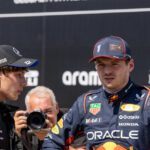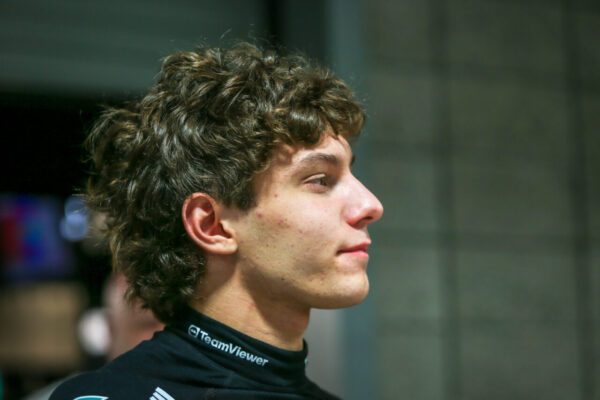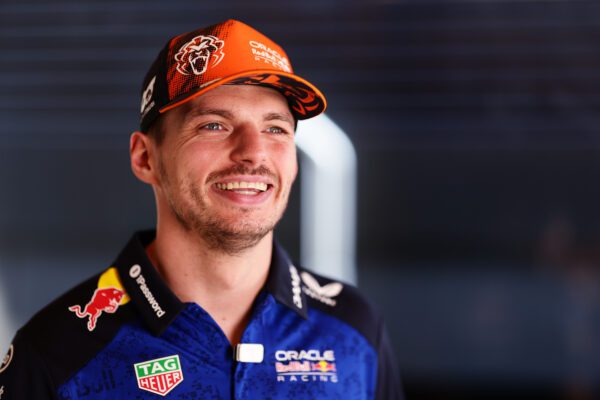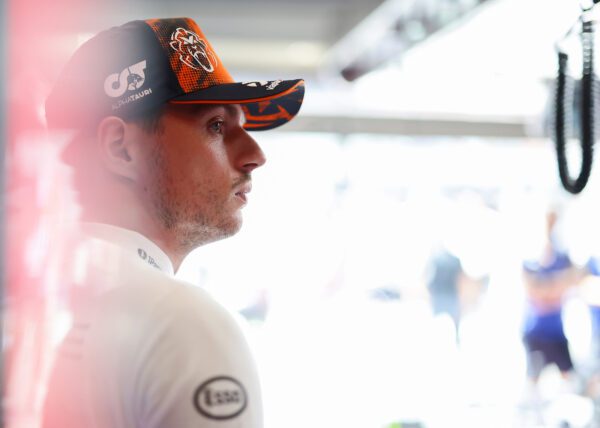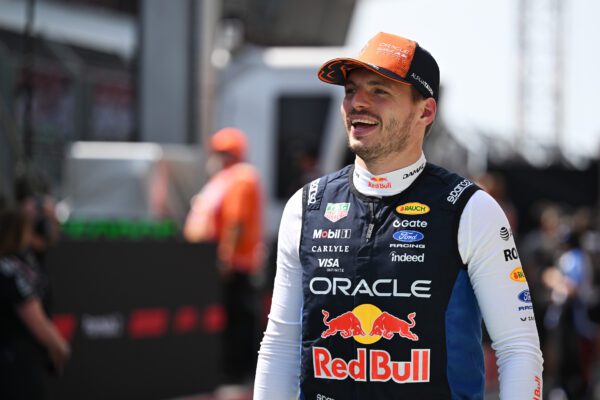

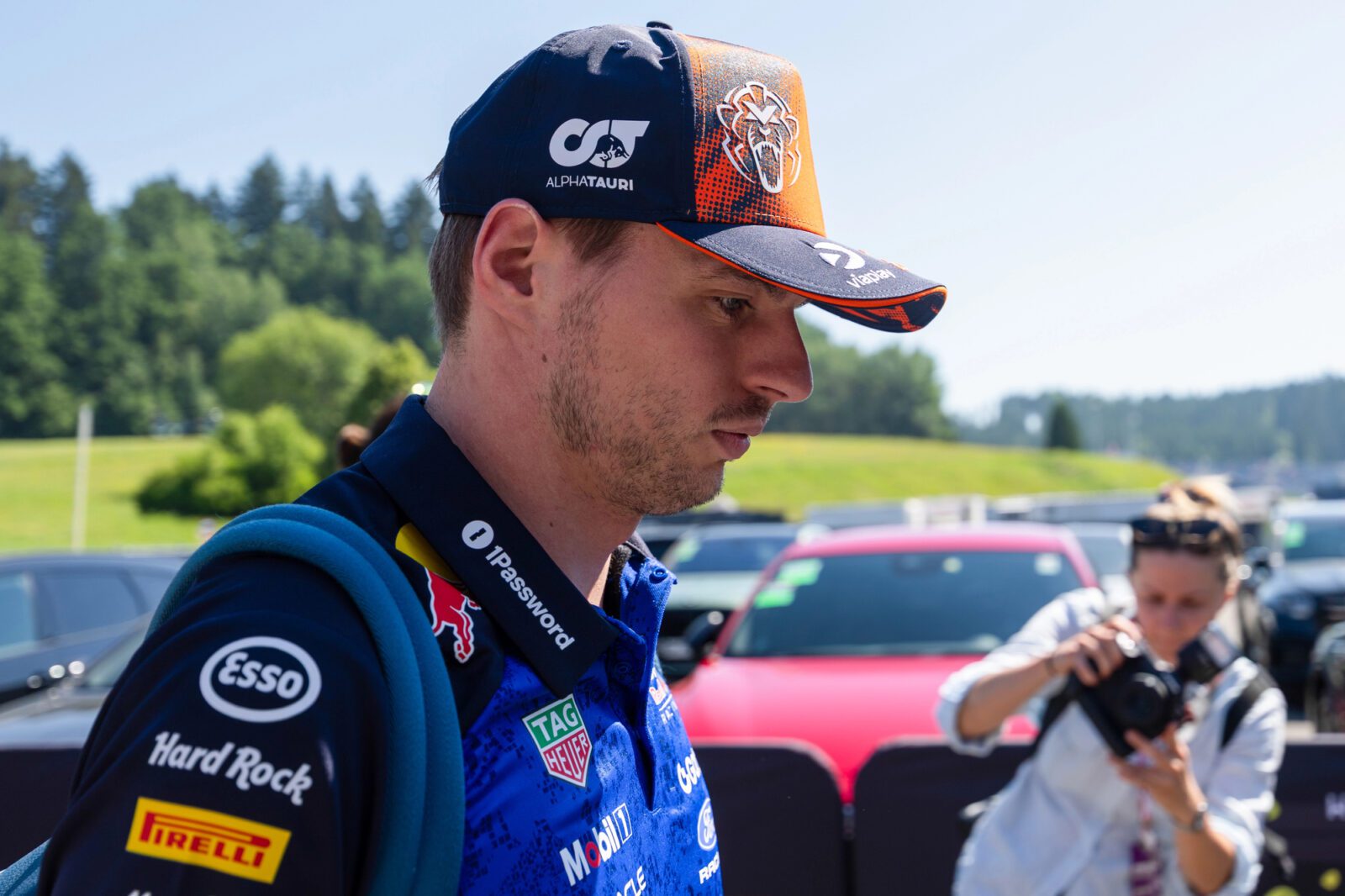
The 2026 Las Vegas Grand Prix delivered one of Formula 1’s most extraordinary overtaking spectacles, as cars repeatedly exchanged positions and drivers discovered that holding the lead was not necessarily an advantage. Max Verstappen ultimately secured the victory, but only after a relentless 50-lap battle against George Russell, Kimi Antonelli, and Lando Norris, during which the Red Bull driver rarely managed to pull away from his rivals.
Instead, the unique characteristics of the Las Vegas Strip Circuit saw drivers frequently overtake on its extensive straights, only to be repassed mere corners later. This phenomenon was not solely attributed to one car possessing superior straight-line speed. A complex interplay of Formula 1’s new power-unit regulations, energy deployment strategies, the recently introduced Overtake Mode, and aerodynamic slipstream combined to create significant variations in speed across the lap.
The current generation of Formula 1 cars relies heavily on electrical power, demanding constant strategic decisions from drivers on where to deploy energy from the battery and where to recover it. While a surge of electrical power on one straight could provide an immediate overtaking advantage, it simultaneously reduced the energy available for later sections of the lap. Consequently, a driver could complete an overtake and then find themselves vulnerable almost immediately.
The Las Vegas Strip Circuit amplified this effect due to its long, high-speed sections and relatively limited opportunities for energy recovery under braking. Drivers could achieve a substantial speed advantage along one straight, only to struggle defensively on the subsequent one. Overtaking thus became a nuanced challenge, dependent not only on a car’s outright speed but also on the driver’s precise timing of electrical energy deployment.
Formula 1 introduced Overtake Mode for the 2026 season, replacing the previous DRS overtaking assistance system. This mode becomes available to a driver within one second of the car ahead at a designated detection point, allowing for additional electrical energy recovery and a more favourable power-deployment profile for the following lap. This enables the attacking driver to sustain higher speeds for longer, particularly on extended straights, but the driver who completes the overtake may then lose this assistance when leading, potentially reversing the roles if the former leader remains within one second. This dynamic contributed significantly to the repeated position exchanges observed between Verstappen and Russell.
“Today was not a race simply because of battery. It was also a race because the slipstream is just huge with Straight Mode.”
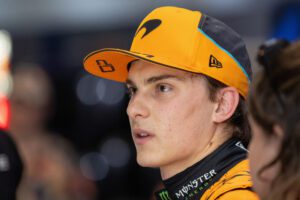
While battery management was a principal talking point, drivers also highlighted the immense strength of the slipstream. At high speeds, the leading car displaces air, significantly reducing the aerodynamic resistance for the car following closely behind, an effect particularly potent on Las Vegas’s long straights. Lando Norris argued after the race that the spectacle could not be attributed solely to the electrical regulations, stating, “Today was not a race simply because of battery. It was also a race because the slipstream is just huge with Straight Mode.” Teammate Oscar Piastri concurred, suggesting the slipstream was likely the more important factor, helping to explain why cars from different teams could temporarily gain a dramatic advantage before immediately losing it.
Verstappen repeatedly surrendered first place during the race but rarely remained behind for long. Russell was particularly aggressive in the opening stages, frequently overtaking the Red Bull only to be repassed. Antonelli and Norris later joined the fray, with several drivers briefly holding the lead. Verstappen’s decisive advantage stemmed from his ability to anticipate when to conserve energy and when to deploy it. Rather than attempting to defend every position at all costs, he strategically managed his electrical resources to recover the lead at the next available opportunity, building his race around controlling the sequence of overtakes rather than preventing every individual pass.
This strategic approach also made the final lap critically important, as a driver leading at the wrong moment could become vulnerable to a slipstream-assisted attack before the finish line. Verstappen ultimately crossed the line just 0.639 seconds ahead of Norris, with Piastri 1.529 seconds behind. Mercedes demonstrated the pace to challenge Verstappen throughout the Grand Prix, with Russell frequently moving ahead of the Red Bull driver and Antonelli also taking turns in the lead, though neither could establish a decisive advantage.
Russell’s promising race unravelled when he attempted to overtake Antonelli at Turn 5 with three laps remaining, locking up, hitting the barriers, and falling to ninth. Antonelli then lost positions to the McLaren drivers in the final stages after running short of energy for defence. Mercedes later acknowledged that the combined effects of slipstreaming and Overtake Mode made gaining positions comparatively straightforward but holding them significantly harder, explaining why their strong challenge concluded without a podium finish.
The conditions in Nevada were unusually favourable for repeated overtaking, with the long straights amplifying slipstreaming and the energy-management demands creating substantial differences in power deployment. While other circuits may not produce the same effect due to varying layouts and energy-recovery opportunities, Las Vegas vividly illustrated a significant consequence of the 2026 regulations: the fastest car at one point on the lap may be far from the fastest at another. The intricate balance between electrical deployment, aerodynamic drag, and track position has become central to how Formula 1 races are now contested.