

Red Bull Racing officially entered the Formula 1 World Championship in 2005, following the acquisition of the Jaguar Racing team by the Austrian energy drink company Red Bull GmbH in late 2004. This marked the beginning of an ambitious project aimed at challenging for Grand Prix victories and world championship titles.
The team quickly established its base in Milton Keynes, England, setting the stage for its future successes.
From its inception, Red Bull Racing sought to infuse the sport with a distinctive, energetic brand identity, moving beyond traditional motorsport approaches. This unique philosophy would become a hallmark of the team’s presence in Formula 1.
Christian horner’s early leadership and team building
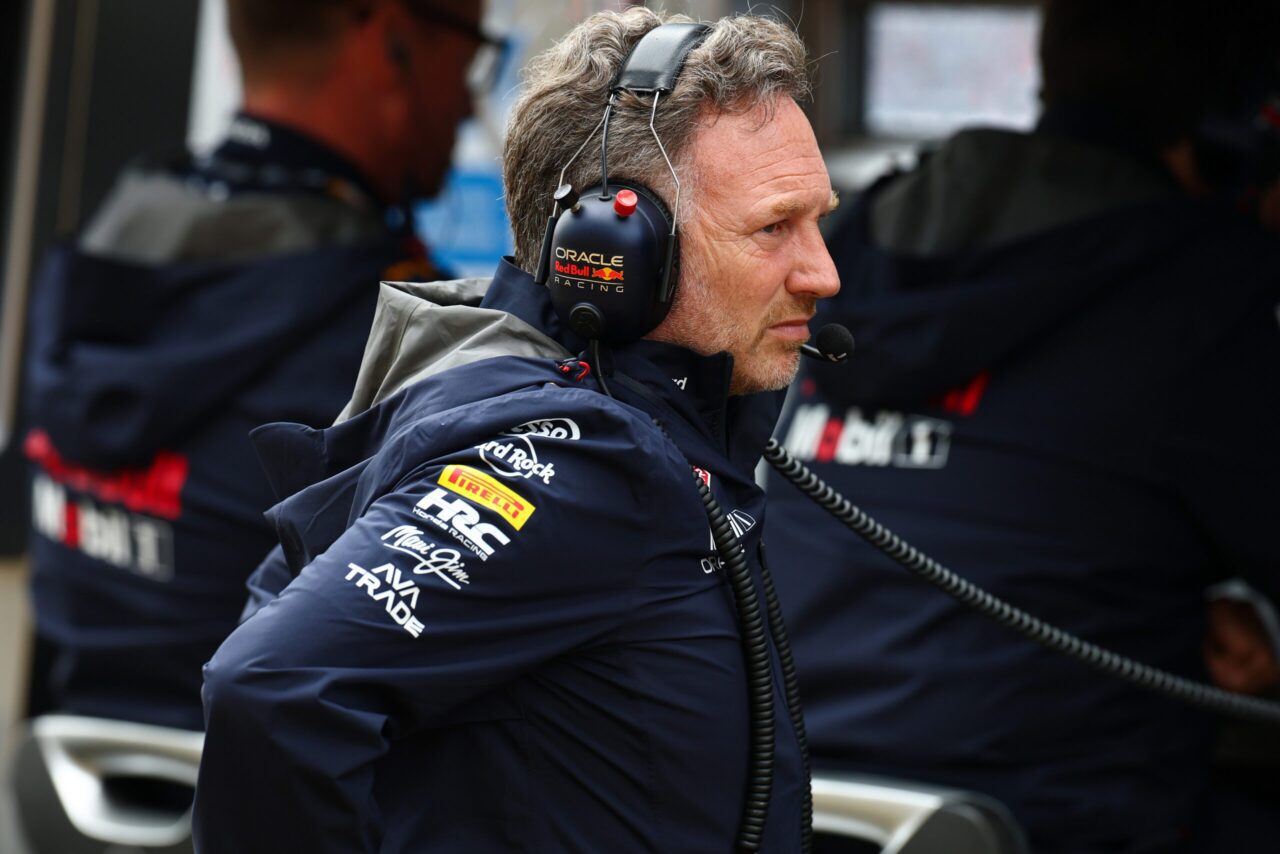
Christian Horner was appointed as Team Principal in January 2005, becoming the youngest team principal in Formula 1 at the age of 31. His appointment came just eight weeks before the season-opening Australian Grand Prix, presenting an immediate challenge to establish the new outfit.
Horner’s initial task was to transform a team described as being in disarray, fostering a new culture of collaboration and high performance. He focused on understanding the existing issues, eliminating a blame culture, and empowering specialists within the team.
The early driver lineup included experienced David Coulthard and Christian Klien, with Coulthard securing the team’s first podium finish at the Monaco Grand Prix in 2006. This early success signaled the team’s potential and the solid foundations being laid.
The adrian newey era and first championship triumphs
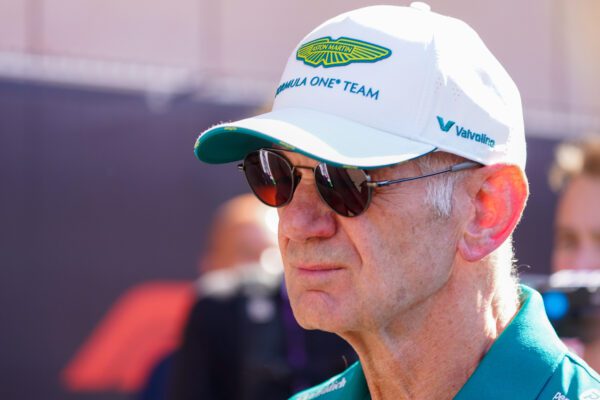
A pivotal moment in Red Bull Racing’s history was the arrival of renowned aerodynamicist Adrian Newey in 2006. Newey’s expertise in car design proved instrumental in elevating the team’s performance and competitive edge.
Under Newey’s technical direction and Horner’s leadership, Red Bull Racing achieved its first Grand Prix victory at the 2009 Chinese Grand Prix, with Sebastian Vettel leading a dominant one-two finish. This breakthrough heralded a new era of success for the team.
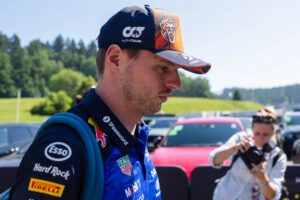
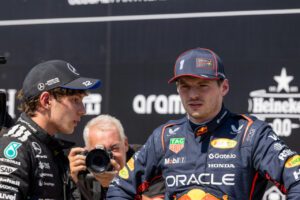
The team’s first period of sustained dominance began in 2010, as Sebastian Vettel secured four consecutive Drivers’ Championships from 2010 to 2013. During these years, Red Bull Racing also claimed four consecutive Constructors’ Championships, establishing itself as a formidable force in Formula 1.
| year | drivers’ champion | constructors’ champion |
|---|---|---|
| 2010 | sebastian vettel | red bull racing |
| 2011 | sebastian vettel | red bull racing |
| 2012 | sebastian vettel | red bull racing |
| 2013 | sebastian vettel | red bull racing |
Power unit evolution and modern dominance
Red Bull Racing’s journey has involved various power unit suppliers throughout its history. The team initially used Cosworth engines in 2005, followed by Ferrari power units in 2006.
From 2007 to 2018, Renault supplied engines to the team, with the power units being re-badged as TAG Heuer from 2016 to 2018. A significant shift occurred in 2019 when Red Bull Racing partnered with Honda, a collaboration that proved highly successful.
Following Honda’s official withdrawal from the sport after 2021, Red Bull Powertrains was established to take over the operation of Honda-developed power units from 2022 to 2025. This in-house capability marked a strategic move towards greater independence.
The modern era saw a resurgence of Red Bull Racing’s dominance, largely driven by Max Verstappen. He secured four consecutive Drivers’ Championships from 2021 to 2024, though he narrowly missed out on the 2025 title to Lando Norris.
The team also added two more Constructors’ Championships in 2022 and 2023, showcasing their continued strength. However, they were surpassed by McLaren in the Constructors’ Championship in both 2024 and 2025.
Christian horner’s departure and future outlook
Christian Horner served as Team Principal and CEO of Red Bull Racing for two decades, overseeing 14 World Championship titles (eight Drivers’ and six Constructors’). His tenure ended on July 9, 2025, when he was relieved of his duties.
Laurent Mekies, formerly of the Racing Bulls team, was appointed as his successor, taking on the roles of CEO and Team Principal. This change marked a new chapter in the team’s leadership.
Looking ahead to the 2026 season, Red Bull Racing will embark on a new power unit partnership with Ford, under the banner of Red Bull Ford Powertrains. This collaboration signifies a major technical shift for the team.
The driver lineup for the 2026 season features four-time World Champion Max Verstappen alongside Isack Hadjar, who was promoted from the Visa Cash App Racing Bulls team. Yuki Tsunoda will serve as the Red Bull Test and Reserve Driver for 2026.
Adrian Newey, a key figure in Red Bull’s design success, also departed the team in early 2025 and has since taken on the role of Team Principal, Technical Director, and co-owner at Aston Martin in Formula 1 for 2026.