


Formula 1 has witnessed numerous eras of unparalleled dominance, with certain cars achieving legendary status through their sheer performance and statistical superiority. These machines, often the brainchild of visionary designers and piloted by exceptional drivers, have rewritten the record books and left an indelible mark on motorsport history.
The pursuit of ultimate speed and reliability has led to the creation of engineering marvels that stand out for their overwhelming success in a single season or across multiple campaigns.
Red Bull rb19 (2023): modern era supremacy
The Red Bull RB19, competing in the 2023 Formula 1 season, stands as the most statistically dominant car in the sport’s history by win percentage. It secured an astonishing 21 victories out of 22 races, achieving a win rate of 95.45%.
This remarkable performance saw Max Verstappen claim 19 wins, setting a new record for individual victories in a single season, while Sergio Pérez contributed two wins. The RB19 also achieved 14 pole positions and 30 podium finishes throughout the year.
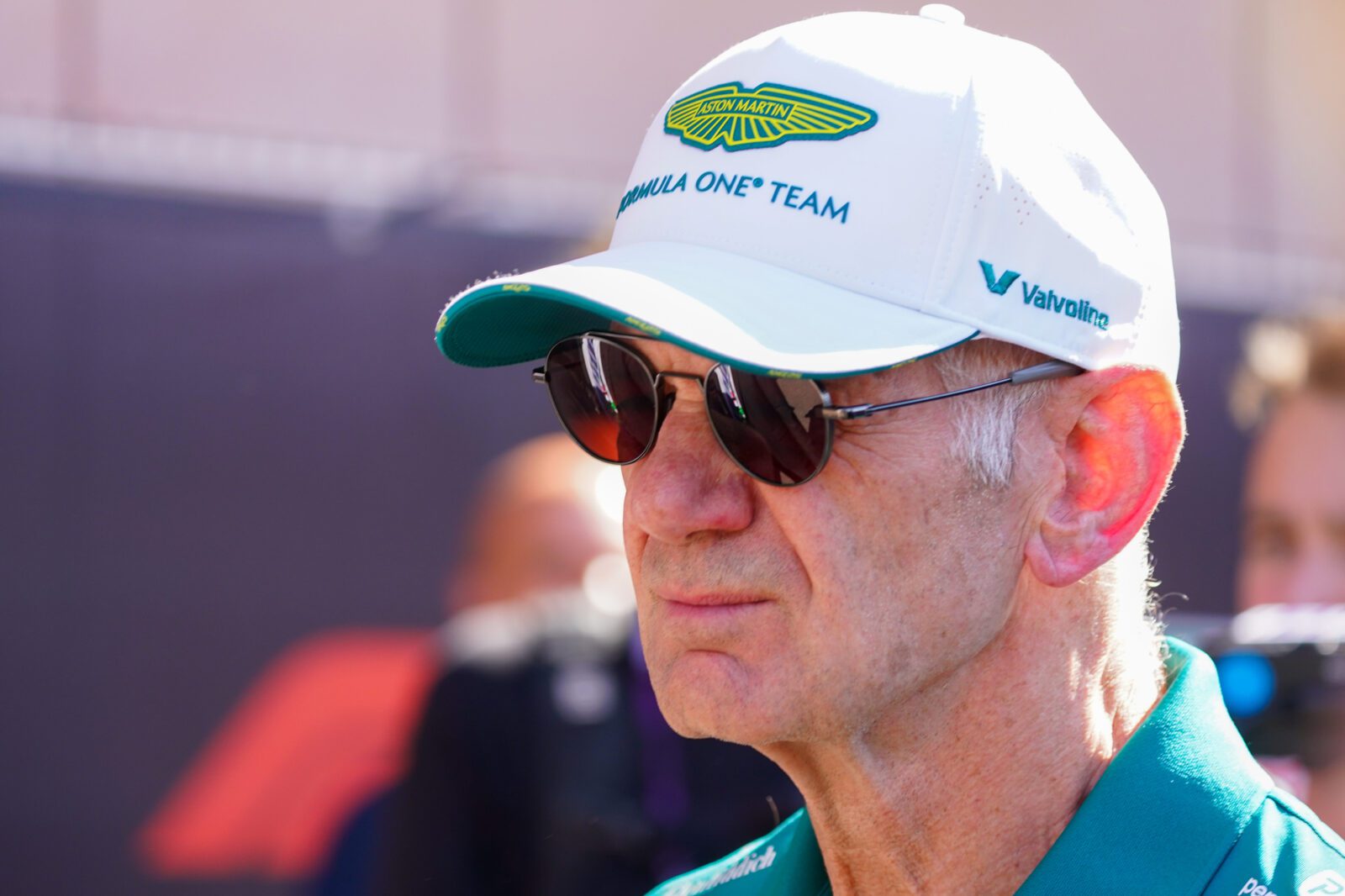
Designed by Adrian Newey, the RB19 was an evolution of its successful predecessor, the RB18, with refined aerodynamics and chassis tweaks. Its relentless consistency and adaptability across various circuits were key factors in its overwhelming success.
| statistic | red bull rb19 (2023) |
|---|---|
| races entered | 22 |
| wins | 21 |
| win percentage | 95.45% |
| pole positions | 14 |
| podiums | 30 |
| drivers | max verstappen, sergio pérez |
| constructors’ championship | 1st |
| drivers’ championship | max verstappen (1st) |
McLaren mp4/4 (1988): turbo era icon
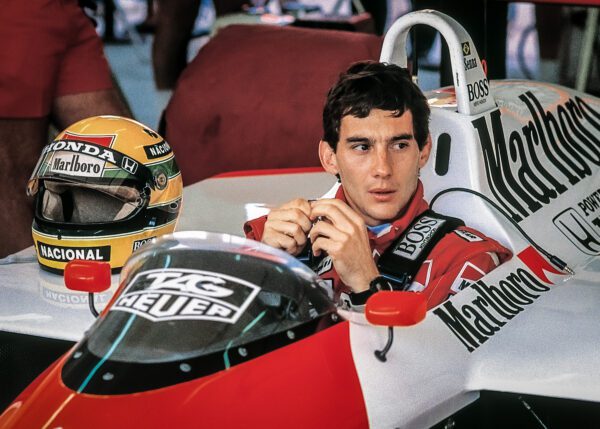
The McLaren MP4/4 from the 1988 season is widely regarded as one of the greatest Formula 1 cars of all time, holding the record for the highest win rate in a season until 2023. It achieved 15 wins from 16 races, resulting in an incredible 93.75% win percentage.
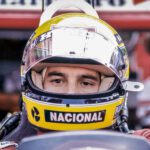
Driven by the legendary pairing of Ayrton Senna and Alain Prost, the car also secured 15 pole positions and 25 podium finishes. Senna won eight races to claim his first World Championship, while Prost secured seven victories.
The MP4/4, designed by Steve Nichols and Gordon Murray, was powered by a potent Honda RA168E 1.5-litre V6 turbo engine. Its low-slung design and exceptional integration of the engine and chassis made it almost unbeatable.
| statistic | mclaren mp4/4 (1988) |
|---|---|
| races entered | 16 |
| wins | 15 |
| win percentage | 93.75% |
| pole positions | 15 |
| podiums | 25 |
| drivers | ayrton senna, alain prost |
| constructors’ championship | 1st |
| drivers’ championship | ayrton senna (1st) |
Mercedes F1 w07 hybrid (2016): hybrid era powerhouse
The Mercedes F1 W07 Hybrid dominated the 2016 season, securing 19 wins out of 21 races, which translates to a 90.48% win rate. This made it statistically the third most dominant Formula 1 car in history at the time.
Piloted by Lewis Hamilton and Nico Rosberg, the W07 also achieved 20 pole positions and an impressive 33 podium finishes. Rosberg ultimately won the Drivers’ Championship by a narrow margin over Hamilton.
The car’s success was built upon Mercedes’ powerful 1.6-litre V6 turbo-charged hybrid engine and a supreme chassis. It demonstrated all-round dominance, collecting 10 fastest laps and eight one-two finishes.
| statistic | mercedes f1 w07 hybrid (2016) |
|---|---|
| races entered | 21 |
| wins | 19 |
| win percentage | 90.48% |
| pole positions | 20 |
| podiums | 33 |
| drivers | lewis hamilton, nico rosberg |
| constructors’ championship | 1st |
| drivers’ championship | nico rosberg (1st) |
Ferrari f2002 (2002): schumacher’s championship machine
The Ferrari F2002 is synonymous with Michael Schumacher’s era of dominance, achieving 15 wins from 17 races in the 2002 season, a win rate of 88.24%.
Schumacher himself won 11 races and finished on the podium in every single race of the season, clinching the championship in record time. His teammate Rubens Barrichello added four victories.
The F2002, powered by a 3.0-litre V10 engine, was a significant evolution from its predecessor, featuring a lighter chassis and refined aerodynamics. Ferrari’s dominance was so profound that the team scored as many points as all other teams combined.
| statistic | ferrari f2002 (2002) |
|---|---|
| races entered | 17 |
| wins | 15 |
| win percentage | 88.24% |
| pole positions | 11 |
| podiums | 28 |
| drivers | michael schumacher, rubens barrichello |
| constructors’ championship | 1st |
| drivers’ championship | michael schumacher (1st) |
Williams fw14b (1992): technological marvel
The Williams FW14B from 1992 was a technological tour de force, widely recognized for its innovative active suspension system and traction control. It secured 10 wins from 16 races, along with 15 pole positions and 21 podium finishes.
Nigel Mansell drove the FW14B to his only Drivers’ Championship, winning nine races, while Riccardo Patrese added one victory. The car’s advanced electronics and formidable Renault V10 engine gave it a significant advantage over the competition.
The active suspension system, which was later banned due to safety concerns over increased cornering speeds, allowed the car to maintain an optimal aerodynamic platform. This innovation set new benchmarks in Formula 1 engineering.
| statistic | williams fw14b (1992) |
|---|---|
| races entered | 16 |
| wins | 10 |
| win percentage | 62.5% |
| pole positions | 15 |
| podiums | 21 |
| drivers | nigel mansell, riccardo patrese |
| constructors’ championship | 1st |
| drivers’ championship | nigel mansell (1st) |
Mercedes w11 eq performance (2020): record-breaking pace
The Mercedes W11 EQ Performance, which competed in the shortened 2020 season, is considered one of the fastest F1 cars of all time, setting numerous track records. It achieved 13 wins out of 17 races, with Lewis Hamilton securing 11 victories and Valtteri Bottas two.
The car also claimed 15 pole positions and 12 front-row lockouts, demonstrating its exceptional qualifying pace. A notable innovation was the Dual-Axis Steering (DAS) system, which allowed drivers to adjust the toe of the front wheels.
The W11’s dominance led Mercedes to its seventh consecutive Constructors’ Championship, breaking Ferrari’s previous record. Its raw speed and advanced technology made it a formidable force on track.
| statistic | mercedes w11 eq performance (2020) |
|---|---|
| races entered | 17 |
| wins | 13 |
| win percentage | 76.47% |
| pole positions | 15 |
| podiums | 25 |
| drivers | lewis hamilton, valtteri bottas, george russell |
| constructors’ championship | 1st |
| drivers’ championship | lewis hamilton (1st) |