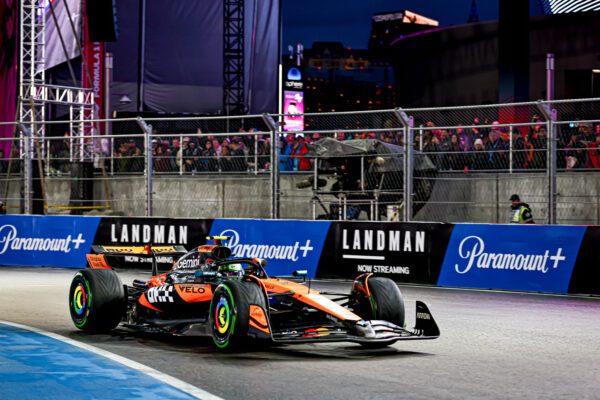



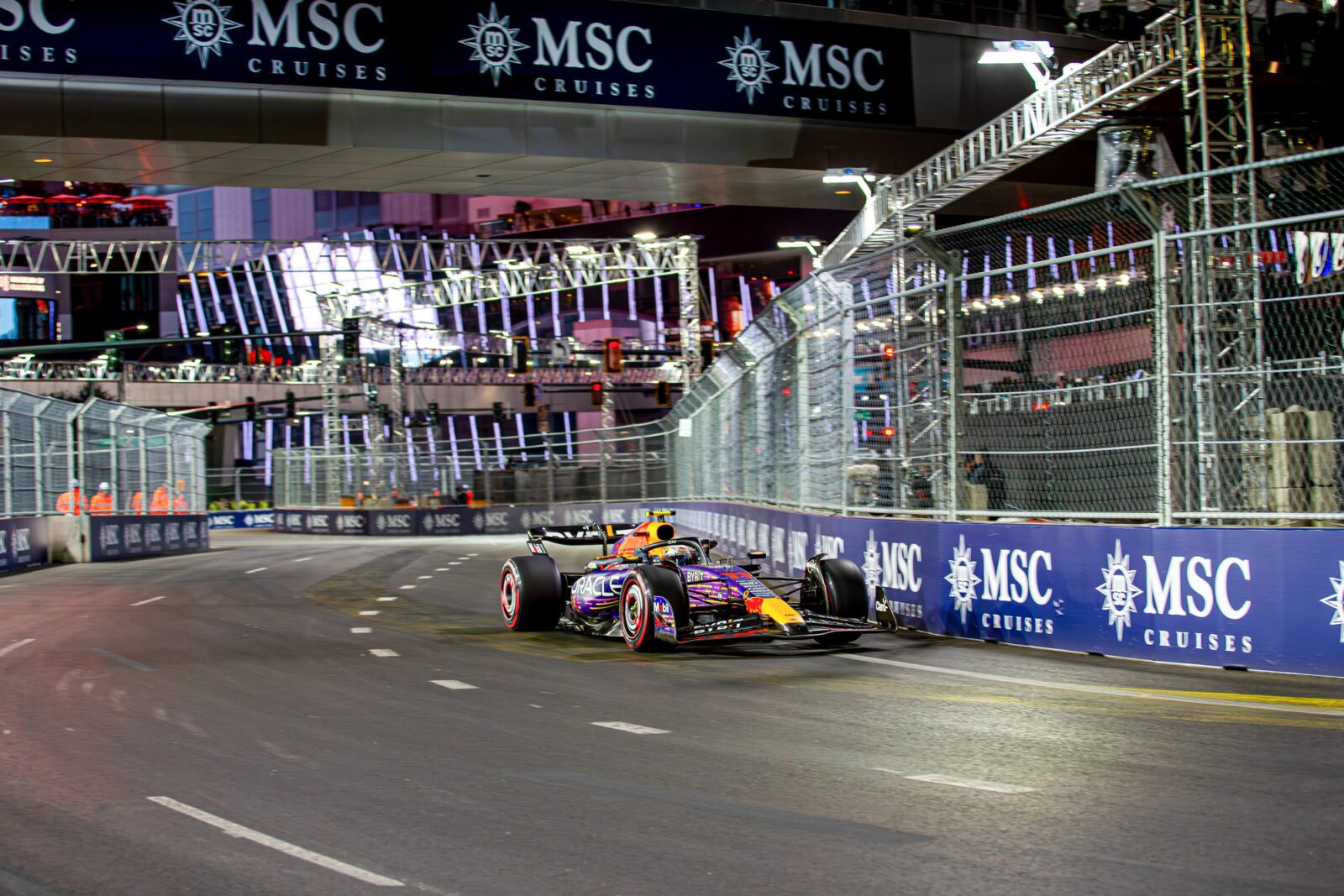
The Las Vegas Grand Prix, a distinctive night race on the Formula 1 calendar, demands a unique approach from teams and drivers. Its high-speed street circuit, characterized by long full-throttle sections and cool desert temperatures, creates specific challenges for car performance and tyre management.
The 2026 event, held on Saturday, November 21, is a crucial part of the season’s decisive final triple-header, following São Paulo and preceding Qatar and Abu Dhabi.
Team performance and car concepts
The Las Vegas Strip Circuit, with its 6.201-kilometer layout and nearly 80% full-throttle sections, heavily favors low-drag efficiency and robust power unit performance. Teams must balance minimal downforce for straight-line speed with sufficient grip for the circuit’s 17 corners and heavy braking zones.
The 2026 power unit regulations introduce a significant shift, with a near 50/50 split between internal combustion and electric energy, and the removal of the MGU-H. The MGU-K’s power has substantially increased from 120 kW to 350 kW, emphasizing strategic energy deployment for acceleration and overtaking.
Red Bull-Ford currently stands as the benchmark power unit, with Mercedes estimated to be between two and four percent behind. Ferrari, Audi, and Honda power units are assessed as more than four percent behind the leading benchmark.
Red Bull has historically faced challenges on low-grip, cold-track layouts where downforce loading is less aggressive.
Mercedes, however, has shown improved competitiveness on street circuits in recent seasons, while Ferrari’s straight-line efficiency could be a significant asset on the long Las Vegas Strip. Car setups typically involve very low rear wing angles to maximize speed on the straights, while maintaining front-end bite and stability over kerbs.
| Power Unit Manufacturer | Performance Gap to Benchmark (Red Bull-Ford) | Additional 2027 Upgrade Opportunities |
|---|---|---|
| Red Bull-Ford | Benchmark | None |
| Mercedes | 2% – 4% behind | One |
| Ferrari | > 4% behind | Two |
| Audi | > 4% behind | Two |
| Honda | > 4% behind | Two |
Championship landscape
The 2026 Formula 1 drivers’ championship has already been decided, with Kimi Antonelli of Mercedes clinching the title at the Mexico City Grand Prix. This early conclusion means the focus shifts to the battles for runner-up positions in both the drivers’ and constructors’ championships.
Entering the final triple-header of the season, which includes Las Vegas, Qatar, and Abu Dhabi, the fight for second place in the drivers’ standings remains intensely close. In the constructors’ championship, McLaren is currently experiencing pressure from Red Bull, which has been closing the gap.
The Las Vegas Grand Prix, with its unpredictable nature and high potential for incidents, could significantly influence these remaining championship positions. Teams will be pushing for maximum points to solidify their standings, even with the main title already secured.
Tyre management and race strategy
Pirelli has consistently brought its softest compounds (C3, C4, and C5) to the Las Vegas Grand Prix, a selection that remains unchanged for the 2026 event. This choice is made to maximize grip on the smooth asphalt and help tyres reach their operating temperature in the cool night conditions.
The primary challenge for tyre strategy in Las Vegas is managing front-tyre graining due to low track temperatures, which typically hover around 10 to 12 degrees Celsius. Long straights allow tyre surface temperatures to drop significantly, making warm-up critical and prone to graining if not managed carefully.
A two-stop strategy is generally considered the fastest approach for the 50-lap race, often involving stints on medium and hard compounds. Common two-stop options include a medium-hard-hard or a medium-medium-hard sequence.
However, a one-stop strategy, typically starting on mediums and switching to hards around laps 20 to 26, can be viable for drivers who can meticulously manage their tyre degradation. Undercuts are less effective in Las Vegas due to the slow warm-up on cold out-laps, making longer first stints on warmer tyres potentially more beneficial.
Drivers and key race dynamics
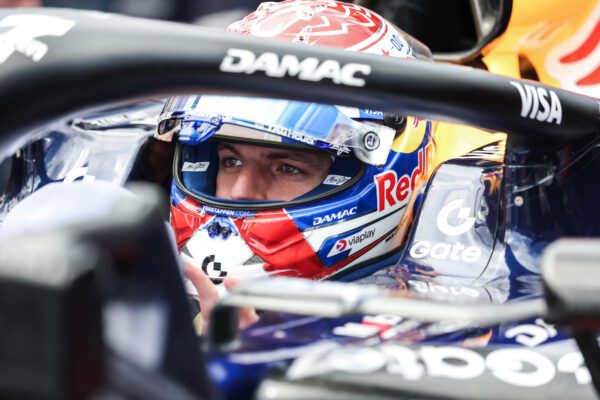
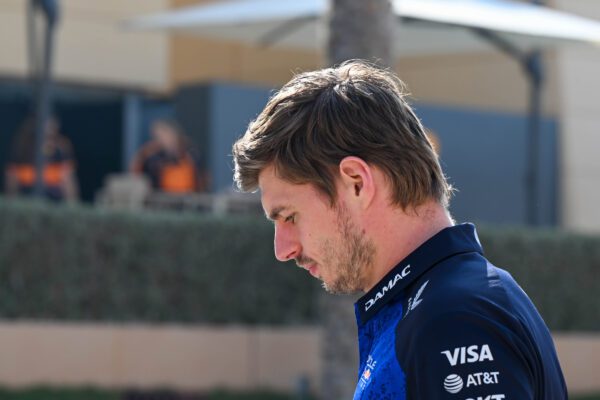
The Las Vegas Grand Prix has seen Max Verstappen emerge as a two-time winner (2023, 2025), with George Russell also securing a victory in 2024. Charles Leclerc achieved pole position in the inaugural 2023 race and finished second, demonstrating strong pace on the circuit.
Lando Norris also secured pole position in 2025.
Drivers who excel on high-speed street circuits and are adept at managing low-grip braking zones will be key contenders. The circuit’s unique characteristics reward precision and confidence as much as outright speed.
Slipstreaming along the long straights, particularly the iconic Las Vegas Strip, is a highly effective tool for overtaking. This effect, combined with strategic energy deployment from the 2026 power units, will be crucial for gaining track position.
Cold-tyre restarts are another significant factor, given the low ambient temperatures during the night race. The high probability of a Safety Car, estimated at 50%, means drivers must be prepared for multiple restarts and the challenges of bringing tyres back to temperature quickly.
Overtaking in Las Vegas often stems from strategic offsets and superior driver performance in tyre management, rather than solely raw straight-line pace. The driver who can best manage tyre energy and maintain patience through the initial phase of each stint will likely control the race.