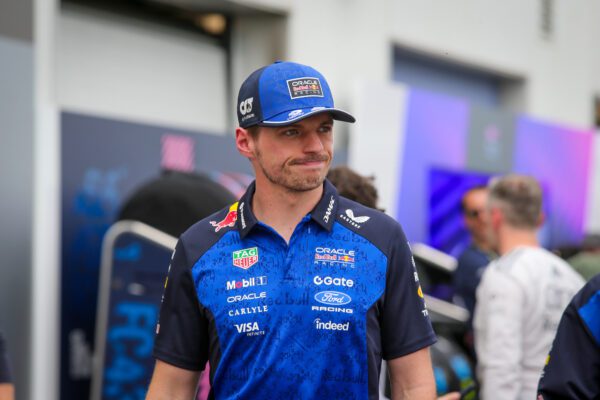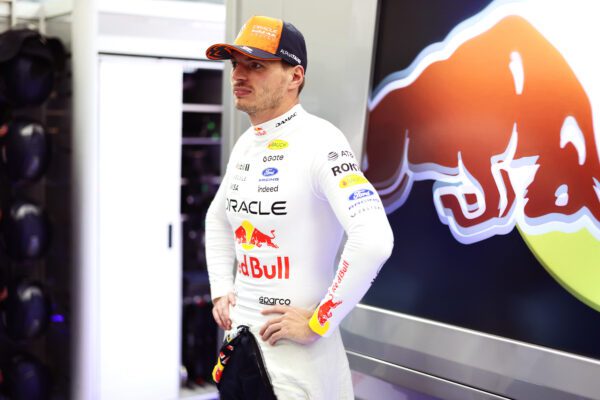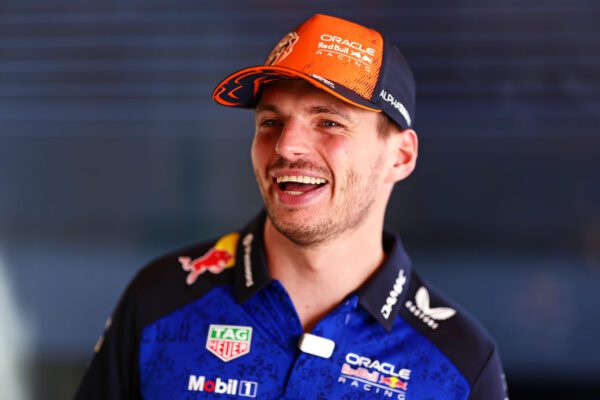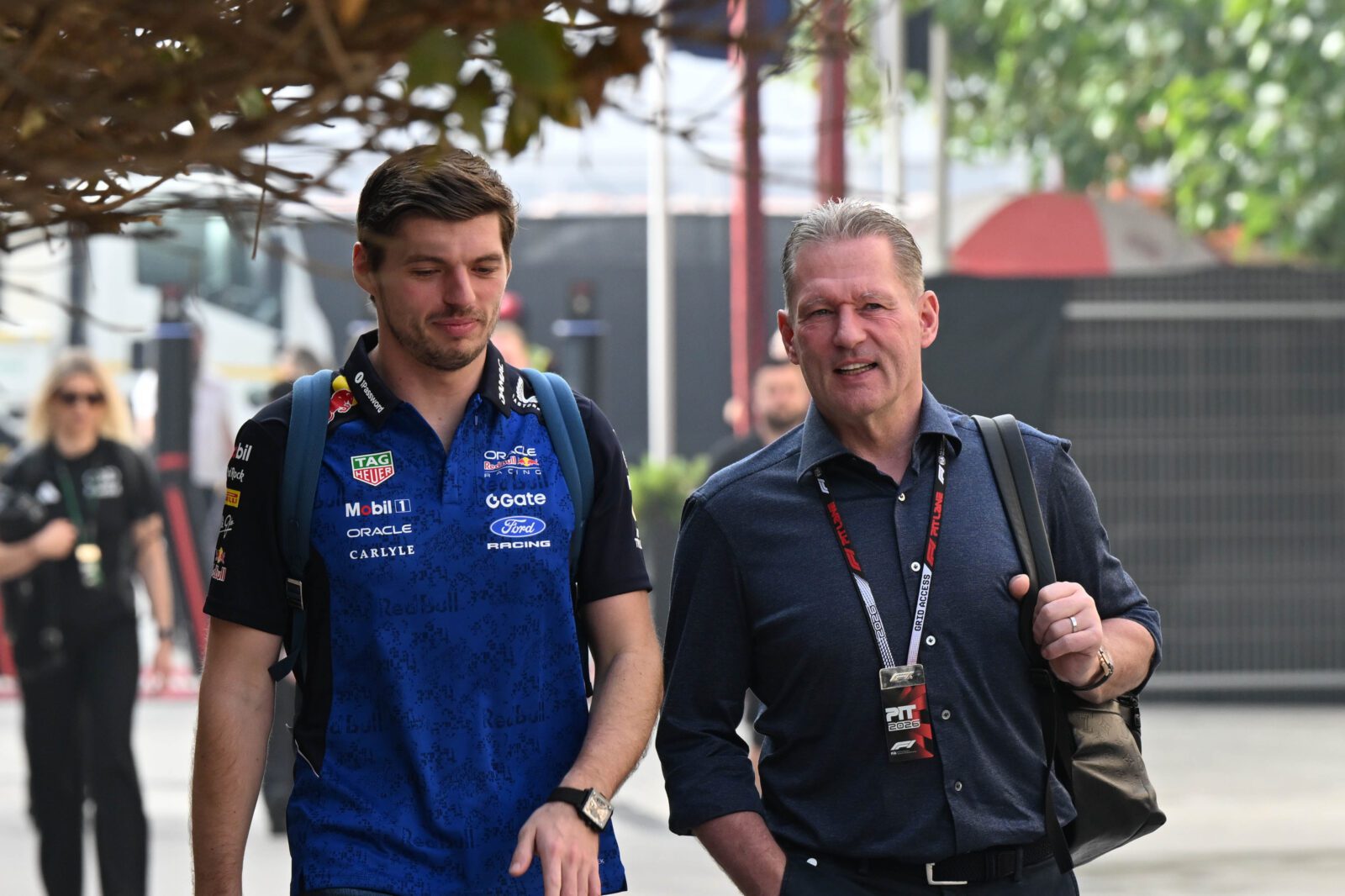
Former Formula 1 world champion Damon Hill has identified Max Verstappen as the primary contender for the 2027 drivers’ championship. Hill, speaking on The F1 Show, cited Red Bull Racing’s significant development progress as a key factor in his assessment.
Red Bull experienced a challenging start to the 2026 Formula 1 season. However, the team has made substantial advancements in recent months, allowing Verstappen to consistently compete for victories.
A crucial element in this resurgence is the performance of the RB22 chassis and the new power unit. Hill expressed particular admiration for the rapid development of Red Bull Powertrains.
Red Bull Powertrains, in collaboration with Ford, began supplying power units to Red Bull Racing and Racing Bulls for the 2026 season. This marks Red Bull’s first season operating with its own engine.
The DM01 power unit was officially launched on January 15, 2026. Red Bull is the first Formula 1 team to develop both its chassis and engines in-house.
The 2026 regulations introduced a 50/50 split between internal combustion engine (ICE) and electrical power. The MGU-H was removed, and the MGU-K output increased significantly to 350 kW.
Red Bull Powertrains established its operation from scratch, building a new factory and recruiting approximately 500 personnel. They are leveraging Ford’s expertise in hybrid power units, battery systems, and control software.
Ford’s advanced manufacturing techniques, including 3D printing, have reduced prototype part production time from 16 days to five. A new simulation model runs 1,000 times faster than real-time, aiding engine development.


During the first 2026 FIA Additional Development and Upgrade Opportunities (ADUO) review period, Red Bull’s engine was assessed as the strongest in Formula 1.
The 2026 season has seen Mercedes secure the Constructors’ Championship at the São Paulo Grand Prix, with Kimi Antonelli clinching the Drivers’ Championship.
Max Verstappen initially struggled with the new 2026 regulations, reportedly finding the RB22 overweight. He described the new cars as ‘Formula E on steroids.’
McLaren and Ferrari have also secured race victories during the 2026 season, indicating a competitive field.
Ferrari’s 2026 power unit, codenamed ‘Project 670,’ has reportedly faced significant power output concerns. Insiders suggest a 5-10% deficit compared to projections, with integration and overheating issues.
Despite two rounds of upgrades under the FIA’s ADUO scheme, Ferrari’s power unit continues to lack ‘pure power.’ Team Principal Fred Vasseur noted a ‘two times bigger’ power unit delta at power-sensitive circuits.
The FIA’s third ADUO assessment confirmed Ferrari’s engine deficit remains over 4% compared to Red Bull’s benchmark. Ferrari has already utilized both of its additional homologation opportunities for 2026.
Reports indicate Ferrari’s 2026 combustion engine is performing worse than Audi’s. The SF-26 demonstrated winning potential aerodynamically, but engine concerns persist.
At the Brazilian Grand Prix, the SF-26 reportedly lost up to 1.4 seconds per lap due to a combination of power deficit, aerodynamic drag, and tyre performance issues.
Andrew Shovlin, Mercedes’ Trackside Engineering Director, has stated that sustained dominance is becoming increasingly difficult due to budget limits and the efficiency of top teams.
The efficiency of the top teams plays a significant role. They have become incredibly adept at optimising their resources and selecting the correct development trajectory.
Shovlin also highlighted the extensive effort Mercedes invested into the 2026 regulations. He previously warned of increased ‘jeopardy’ and potential reliability issues with the new engines.
The 2026 regulations represent a major overhaul, featuring new power units, active aerodynamics, and lighter, smaller cars. These changes include movable front and rear wings and an ‘Overtake Mode’ replacing DRS.
The ongoing development battle is expected to intensify as teams adapt to these regulations, influencing the competitive landscape for the 2027 season.