



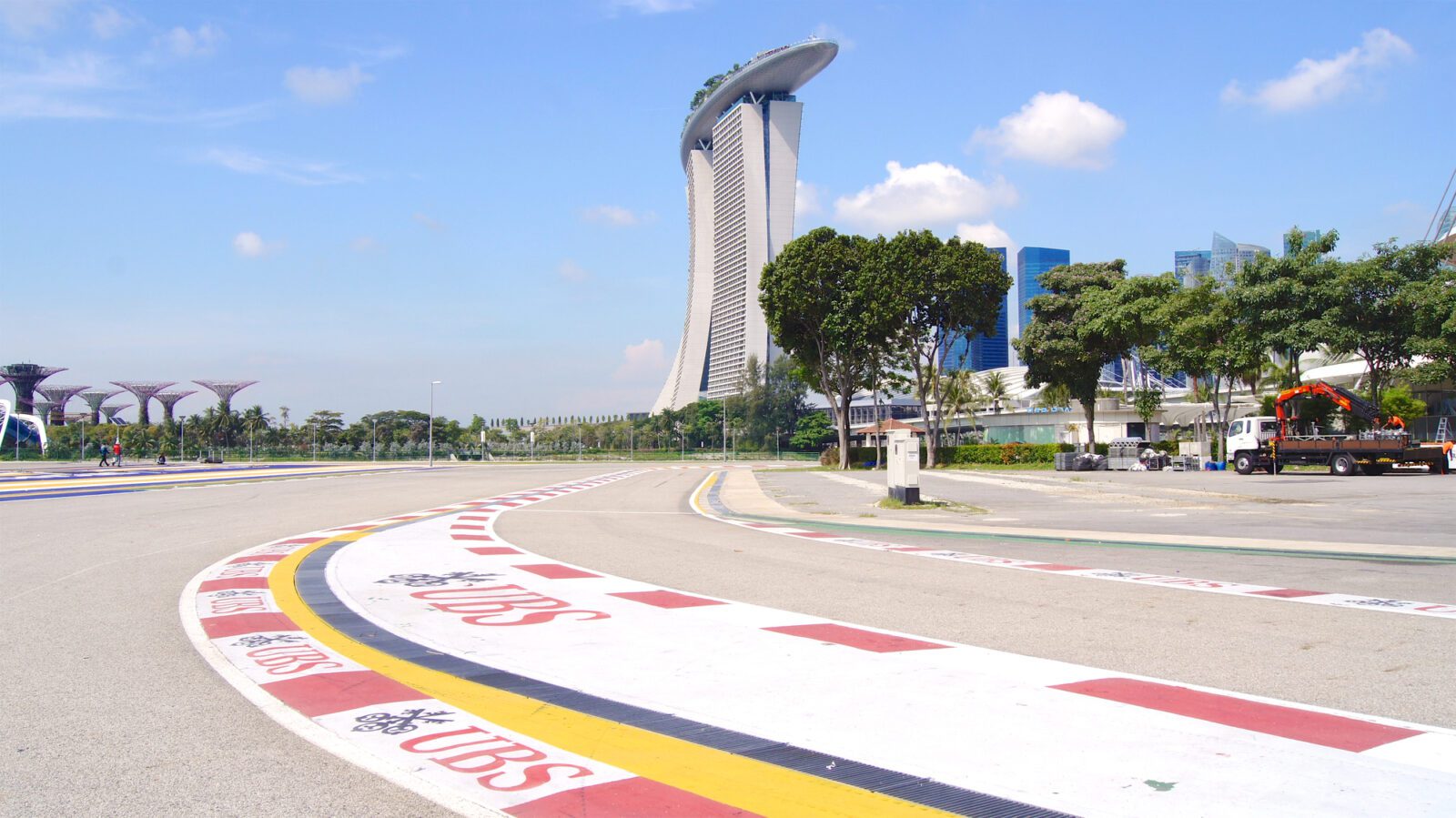
Formula 1 has increasingly embraced night races, transforming several events on its calendar into floodlit spectacles. This strategic shift, initiated with the inaugural Singapore Grand Prix in 2008, serves multiple critical objectives for the sport’s global reach and on-track dynamics.
What began as an innovative experiment has now become a fundamental aspect of modern Formula 1, enhancing both its commercial appeal and the technical challenges faced by teams and drivers.
The decision to hold races after sunset is not merely for aesthetic reasons, though the visual impact is undeniable. It primarily addresses crucial broadcasting windows, mitigates extreme climatic conditions, and elevates the overall fan experience, both at the circuit and for television audiences worldwide.
The strategic imperative of global broadcast timings
One of the foremost reasons for Formula 1’s adoption of night races is to optimize television viewership across key global markets. The sport operates across numerous time zones, and daytime races in certain regions, particularly Asia and the Middle East, often fall at inconvenient hours for the large European audience.
By scheduling races at night local time, these events can be broadcast during prime-time hours in Europe, which remains a significant traditional fanbase for Formula 1.
For instance, a race starting at 8:00 PM local time in Singapore translates to an early afternoon start in Western Europe, ensuring maximum engagement from viewers in countries like Britain, Germany, and Italy. This strategic timing also allows for more accessible viewing times for North American audiences, often aligning with morning slots before the typical Monday workday.
This commercial consideration is paramount for Formula 1, as higher viewership directly correlates with increased advertising revenue and global brand exposure.
Optimising performance and driver comfort in extreme climates
Beyond broadcast advantages, night races offer significant practical benefits related to climate and car performance, especially in regions known for high temperatures. Circuits in the Middle East and Southeast Asia, such as Bahrain, Saudi Arabia, Qatar, Abu Dhabi, and Singapore, experience extremely hot daytime conditions.
Racing at night provides a crucial reduction in ambient and track temperatures, which is beneficial for both the machinery and the human element of the sport.
Cooler air temperatures allow engines to run more efficiently and make it easier for teams to manage the cooling elements of the car, such as radiators. Furthermore, lower track temperatures prevent tyres from overheating as quickly, enabling drivers to push harder and maintain optimal grip for longer periods.
This can lead to more aggressive driving and varied tyre strategies throughout the race.
The cooler conditions also contribute to increased aerodynamic performance, as denser air allows for greater downforce generation. Teams can often run their cars with a lower ride height, further enhancing downforce and cornering speeds.
For drivers, escaping the brutal midday heat significantly reduces physical strain, although races like Singapore still present immense challenges due to high humidity and extended race durations, often pushing drivers to their physical limits and causing substantial fluid loss.
The visual spectacle and economic impact for host cities
Night races have become synonymous with a unique and captivating visual spectacle that enhances Formula 1’s entertainment value. The sight of cars racing under thousands of powerful floodlights, with sparks flying from their underbodies and reflections shimmering on the track surface, creates a dramatic and glamorous atmosphere.
This visual appeal is further amplified by the illuminated city skylines and iconic landmarks that often serve as backdrops for these events, particularly in street circuits like Singapore and Las Vegas.
The festive ambiance extends beyond the track, with many night race weekends featuring fireworks displays, live music concerts, and vibrant nightlife celebrations. This transforms the entire host city into a major event destination, attracting a global influx of tourists and generating substantial economic benefits.
For example, the 2023 Las Vegas Grand Prix reportedly generated an economic impact of $1.5 billion and $77 million in tax revenue, marking it as a significant contributor to the local economy.
Host cities leverage these events to boost their international profile, with tourism skyrocketing as fans travel from around the world to witness the unique blend of motorsport and entertainment. The Singapore Grand Prix, since its inception, has attracted over 720,000 international visitors and generated approximately S$2.2 billion in tourism receipts, demonstrating the profound economic ripple effect of these floodlit events.
Engineering the night: advanced lighting technology
The successful execution of Formula 1 night races relies heavily on sophisticated lighting technology and meticulous planning. Since F1 cars do not have headlights, circuits must be illuminated to near-daylight conditions to ensure driver safety and optimal visibility at high speeds.
The pioneering Singapore Grand Prix in 2008 set the benchmark, utilizing approximately 1,600 custom-made floodlight projectors.
These advanced lighting systems are designed to provide a brightness of around 3,000 lux on the track, which is significantly brighter than typical sports stadiums (around 800 lux) and vastly superior to standard street lighting (around 30 lux). The FIA, Formula 1’s governing body, has established stringent criteria for night race lighting, recommending a colour temperature of 6,000 Kelvin to emulate natural daylight and a Colour Rendering Index (CRI) above 90 to ensure accurate colour perception for drivers and television cameras.
Crucially, the lighting systems are engineered to minimize shadows, which could otherwise pose a significant hazard to drivers by obscuring corner apexes, rivals, or debris on the track. The consistency and quality of illumination are paramount, allowing drivers to maintain the precision required for Formula 1 racing even in the dark.
Operational challenges and technical adaptations
While night races offer numerous advantages, they also introduce unique operational challenges for teams and drivers. The altered schedule often means practice sessions (FP1 and FP3) might occur during the day, while qualifying and the race take place at night.
This variation in ambient and track conditions between sessions can complicate car setup, as teams must adapt to evolving grip levels and temperatures.
Drivers must also adjust their visor tints to cope with the intense floodlights and the potential for glare, especially in day-to-night races like Abu Dhabi where the sun sets during the event. The disruption to circadian rhythms for team personnel, who often work late into the night, is another factor that requires careful management to maintain peak performance and safety.
Despite the cooler evening temperatures, some circuits, particularly Singapore, remain incredibly demanding due to high humidity. Drivers can lose several kilograms of fluid during the race, making physical conditioning and hydration critical.
The continuous evolution of track temperatures throughout a night race can also impact tyre degradation and overall race strategy, adding another layer of complexity for engineers and strategists.
| Grand Prix | Year of First Night Race |
|---|---|
| Singapore Grand Prix | 2008 |
| Abu Dhabi Grand Prix | 2009 |
| Bahrain Grand Prix | 2014 |
| Saudi Arabian Grand Prix | 2021 |
| Qatar Grand Prix | 2021 |
| Las Vegas Grand Prix | 2023 |
The current Formula 1 calendar features several prominent night races, each contributing to the sport’s global appeal and unique character. These events have become integral to the championship, showcasing the blend of technological innovation, strategic foresight, and thrilling competition that defines Formula 1.