



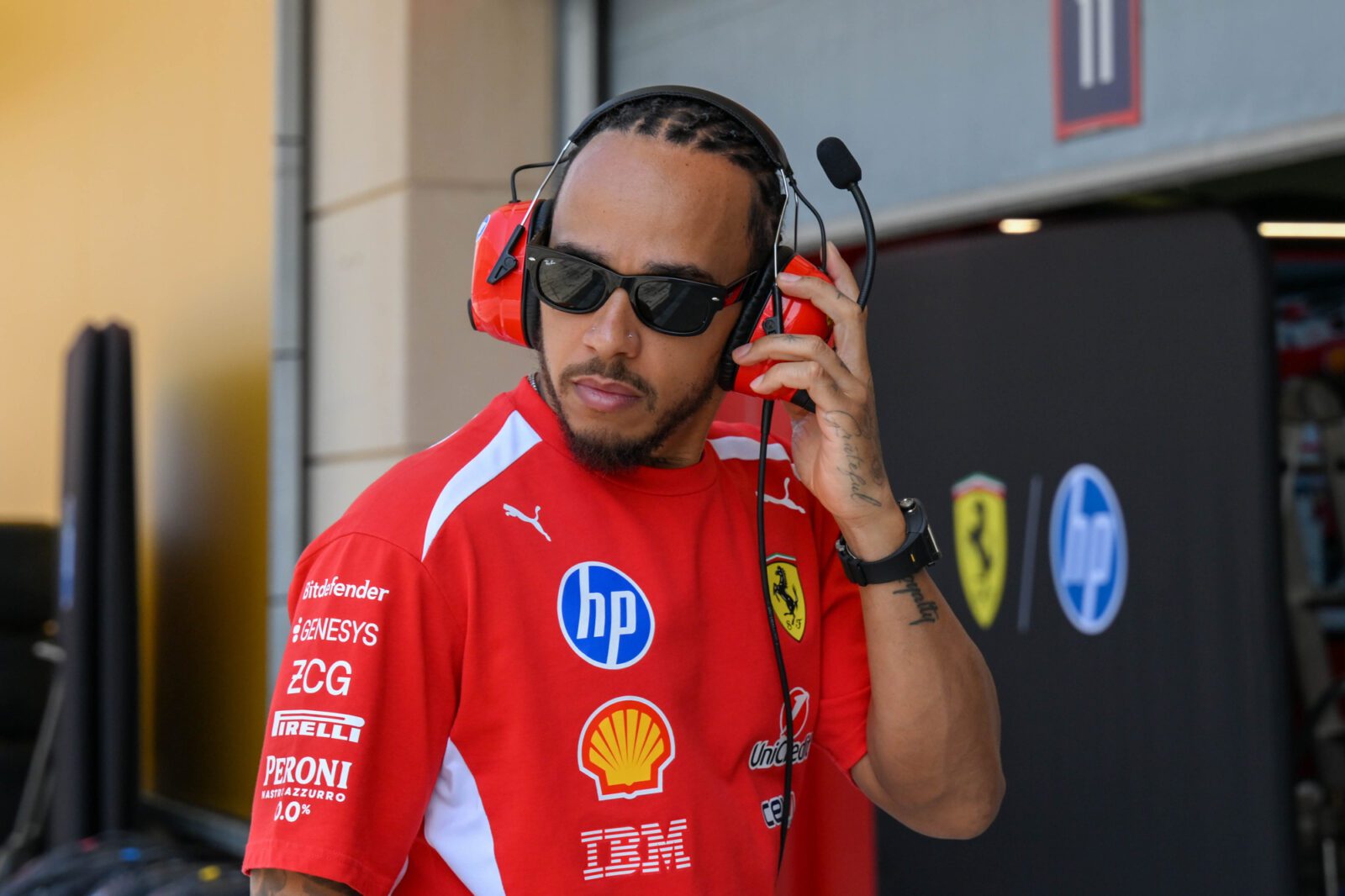
Lewis Hamilton, driving for Ferrari, recently completed his 400th Formula 1 Grand Prix at Interlagos during the São Paulo event. This milestone places him as only the second driver in the sport’s history to reach this figure, with Fernando Alonso being the other.
BBC F1 correspondent Andrew Benson has indicated that there is no immediate reason for Hamilton to consider retirement. Benson’s assessment is supported by Hamilton’s extensive career statistics.
Hamilton holds records for 106 Grand Prix victories and 105 pole positions. He also shares the record of seven world titles with Michael Schumacher.
Benson argues that Hamilton’s legacy extends beyond mere numbers, highlighting significant performances such as his 2008 Silverstone victory and his win in Brazil in 2021.
The period from 2022 to 2025, marked by ground effect regulations, saw a decline in Hamilton’s usual dominance. He secured only two race victories during this four-year span, specifically at the 2024 British and Belgian Grands Prix.
During two of his three seasons alongside George Russell at Mercedes, Hamilton finished behind his younger teammate. His inaugural season with Ferrari in 2025 also proved challenging, as he failed to achieve a single podium finish.
This downturn in performance raised questions regarding his adaptability and the potential influence of his age. Hamilton himself acknowledged difficulties with the ground effect cars.
However, the 2026 season has seen a notable resurgence in Hamilton’s form with Ferrari. He has demonstrated improved comfort with the current generation of cars, which he describes as lighter and more forgiving.

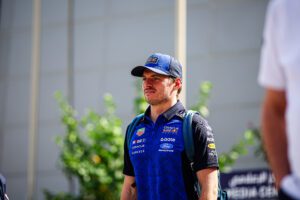
By July 2026, Hamilton had already surpassed his entire 2025 points total, securing five podium finishes. He also achieved his first Grand Prix victory for Ferrari at the Spanish Grand Prix.
His performance this season has been competitive, with Hamilton often running ‘neck-and-neck’ with teammate Charles Leclerc. Ferrari has shown strong form, with both drivers achieving podiums early in the season.
Benson maintains that age alone does not present a clear barrier to Hamilton continuing his career. He points to Fernando Alonso as an example of sustained high-level performance.
Alonso, currently 45 years old, continues to compete at a high standard in Formula 1. He has started a record 445 Grands Prix and is contracted with Aston Martin until at least the end of the 2027 season.
Hamilton has also articulated a specific career objective: to remain active in Formula 1 when the sport returns to Africa. This return is projected for the early 2030s.
Formula 1 has confirmed a 10-year agreement for an African Grand Prix in Rwanda, with a new purpose-built circuit in Bugesera expected to be ready in the early 2030s.
By 2030, Hamilton would be 45, the same age Alonso is currently. Achieving this goal would necessitate at least one new contract with Ferrari, as his current agreement is anticipated to conclude next year.
Benson views this aspiration as realistic, provided Hamilton maintains his competitive edge and motivation. His current performance with Ferrari offers grounds for cautious optimism regarding his continued presence in the sport.