



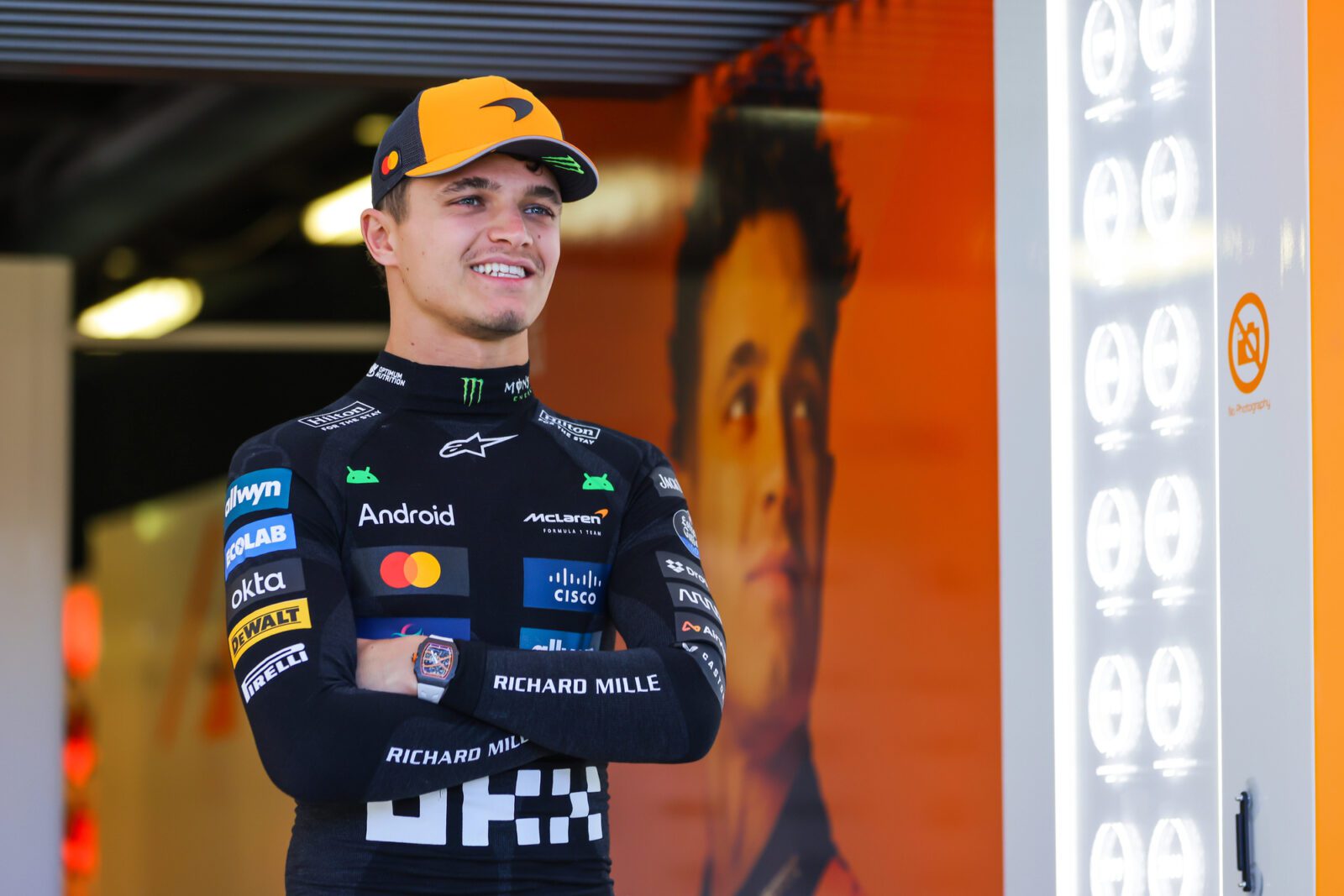
Lando Norris has expressed significant concerns regarding potential tyre temperature difficulties at the upcoming Las Vegas Grand Prix. The McLaren driver described the prospect of racing with insufficient grip in cold conditions as potentially “horrible”. This warning follows a challenging São Paulo Grand Prix weekend, where Norris secured victory in changing conditions.
Norris articulated his apprehension during the FIA’s post-race press conference after his win at Interlagos. He highlighted that the 2026 specification tyres become particularly difficult to manage when their temperature falls below the optimal operating window.
“For sure, when the tyres get cold, it’s pretty nasty. On laps to the grid, when they get very cold, they felt horrible. If they get into a good window, they’re good.”
The Briton specifically identified Las Vegas as a potential issue, stating, “I think the scary times are if you go to Vegas and you can’t get any tyre temperature. You need a much better tyre than what we have here because that’s going to be horrible”. He noted that the Interlagos circuit layout allowed drivers to generate tyre temperature more easily, unlike the anticipated conditions in Las Vegas.
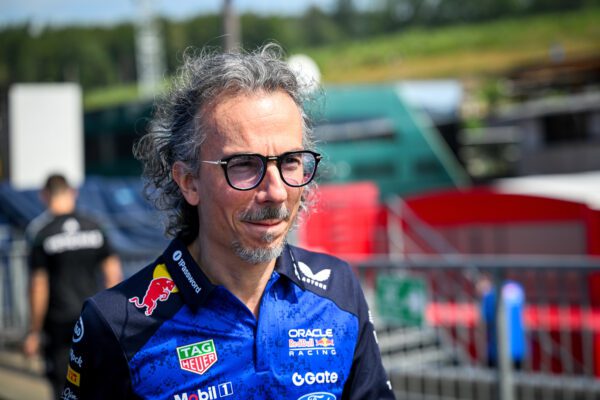
Max Verstappen also voiced concerns regarding the 2026 tyre compounds, particularly their narrow operating window and performance in cold conditions. The Red Bull driver stated, “I think it’s mainly that the working range is a bit too small. When they’re hot, it’s okay, but when they’re cold, they’re really like a rock”. Verstappen advocated for compounds with a wider effective temperature range, especially for intermediate and extreme-wet tyres.
Isack Hadjar, another Red Bull driver, questioned the performance of Formula 1’s wet-weather tyres after experiencing difficult conditions during São Paulo qualifying. He felt the extreme-wet compound provided insufficient grip for the amount of standing water present on the circuit. Hadjar also suggested the current compounds are harder than previous iterations, making cars more challenging to control in marginal conditions.
Pirelli confirmed the 2026 dry tyre range, comprising five compounds from C1 (hardest) to C5 (softest), in November 2025. These tyres are narrower than their 2025 predecessors, with a 25mm reduction at the front and 30mm at the rear, while retaining 18-inch wheel rims. The construction was finalised in September 2025, with development relying on team-supplied forecast data, simulations, and mule car testing.
Earlier in the 2026 season, Pirelli indicated that tyre behaviour had aligned with pre-season simulations. However, drivers like George Russell noted that the prescribed tyre pressures for 2026 are the highest ever in F1, leading to different tyre characteristics. McLaren team principal Andrea Stella also highlighted the tyres’ limited capacity to transition from longitudinal to lateral forces in corners.


The FIA implemented tighter regulations for 2026, explicitly banning devices or procedures designed to cool the complete wheels, hubs, or brakes. This amendment followed scrutiny over McLaren’s perceived advantage in tyre temperature management during the 2024 season.
The Las Vegas Grand Prix, scheduled for November 19-21, 2026, presents unique challenges. Its street circuit layout features long straights and typically low evening temperatures, which can hinder the ability to maintain tyres within their optimal operating window. This can negatively impact braking, traction, and driver confidence.
Beyond tyre temperatures, Verstappen identified energy management as a critical factor for Las Vegas due to the circuit’s long straights. He suggested that slipstreaming could become particularly valuable under the current power unit regulations, requiring drivers to adapt their electrical deployment strategies. The 2026 power units feature a 50/50 electrical and internal combustion split, with active aerodynamics also playing a role.
Ferrari has also expressed similar concerns, with Charles Leclerc previously warning that low temperatures could expose the team’s tyre issues after grip struggles during the Brazilian Grand Prix. McLaren, Red Bull, and Mercedes are among the teams needing to adapt their car setups to these specific conditions as the final rounds of the championship approach.