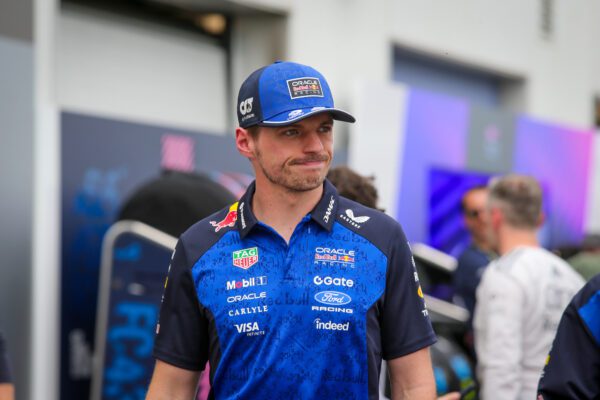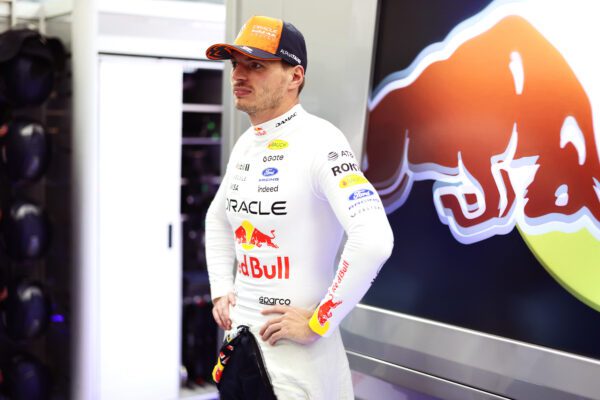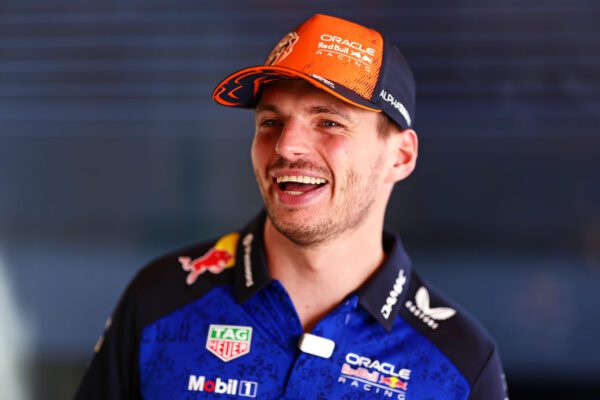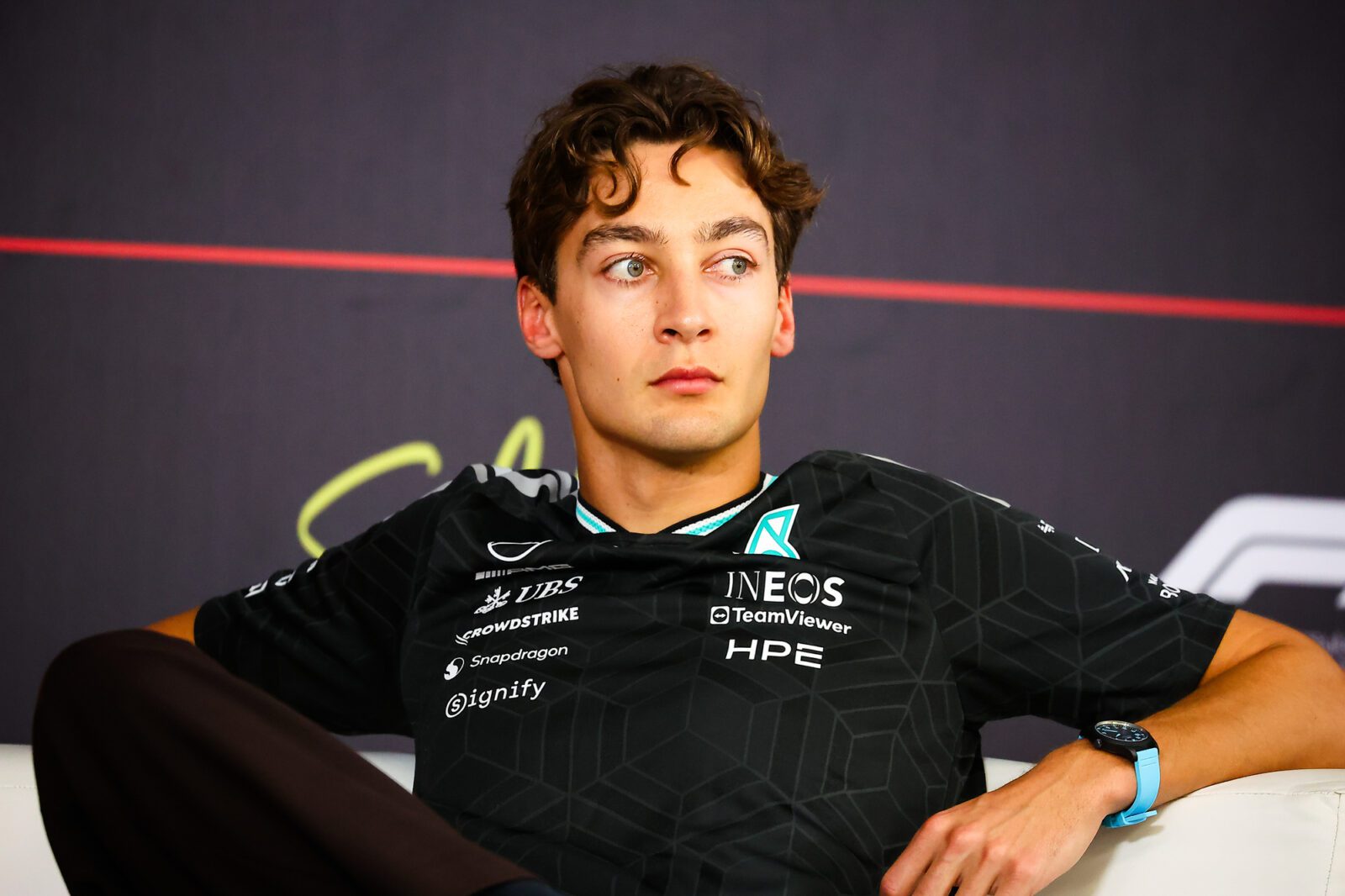
George Russell has now publicly stated his dissatisfaction with the 2026 Formula 1 power unit regulations, aligning with earlier criticisms from Max Verstappen. Russell’s current position marks a shift from his initial stance at the beginning of the season.
At the start of the 2026 campaign, Russell had been critical of Verstappen’s remarks regarding the new engine formula.
Verstappen had labelled the 2026 regulations as ‘anti-racing’ and likened them to ‘Formula E on steroids.’ He argued that the increased electrical power necessitated a driving style focused on energy management, including more ‘lift and coast’ techniques.
Russell initially dismissed these concerns, suggesting Verstappen’s criticism stemmed from Red Bull’s early-season performance struggles. He implied that Verstappen’s opinion would differ if he were driving the competitive Mercedes W17.
However, Russell has since conceded that he is also not a proponent of the 2026 F1 engines, despite having been an advocate for the new rules.
He explained that his natural driving style, which involves applying throttle early out of corners, is now inefficient. This approach consumes too much energy with the new power units, making it less effective.
I’ve always been a driver that focuses on the mid to the exit of the corners, which often means I’m on the throttle earlier than most, and, with these new power units, that means I’m spending more energy, and it’s sometimes not the most efficient way to drive for the power unit.
The 2026 regulations introduced a significant overhaul of the power units, aiming for a near 50-50 split between internal combustion and electrical power. The Motor Generator Unit – Kinetic (MGU-K) saw its maximum electrical output dramatically increase from 120 kW to 350 kW.
The complex MGU-H component was eliminated, and energy recovery during braking and deceleration was nearly doubled to approximately 8.5 MJ per lap. These power units operate on 100% sustainable fuels.
Drivers are now required to manage energy through a ‘Recharge mode,’ harvesting electrical energy during less demanding sections of the track. This can occur under braking, part throttle, or when lifting off the accelerator.
An ‘Overtake Mode,’ also known as Manual Override Mode, provides an additional power boost when a car is within one second of a competitor. This mechanism grants extra access to energy, rather than more energy overall.
Aerodynamic regulations also changed for 2026, with cars becoming shorter, narrower, and lighter, featuring reduced downforce and flatter floors. Active aerodynamic systems on both front and rear wings allow for adjustments between high downforce for cornering and low drag for straights.
These technical shifts necessitate a fundamental change in driving technique, moving away from traditional methods. Drivers may need to downshift more aggressively to maintain higher engine revolutions for energy harvesting.
Russell’s comments come amidst a challenging 2026 season where he has faced reliability issues and inconsistent performances. His teammate, Kimi Antonelli, has secured the World Championship.
Russell has experienced numerous technical problems with his Mercedes W17, including power deployment issues, notably during the Mexican Grand Prix. Mercedes has acknowledged these deployment issues, stating the team ‘let George down.’
He has also cited high rear tyre pressures, mandated by Pirelli, as a factor hindering his corner exit performance. Russell claims he has only completed six race weekends this season without encountering a technical issue.
Other drivers, including Charles Leclerc, have also noted the complexity of the new power units and the frustration of inconsistent performance. The 2026 regulations have altered which driving characteristics are rewarded across the grid.