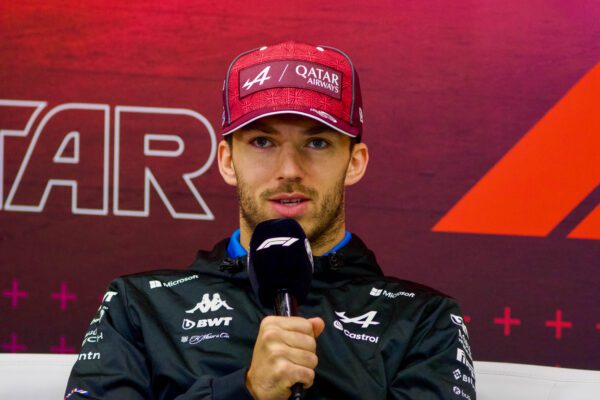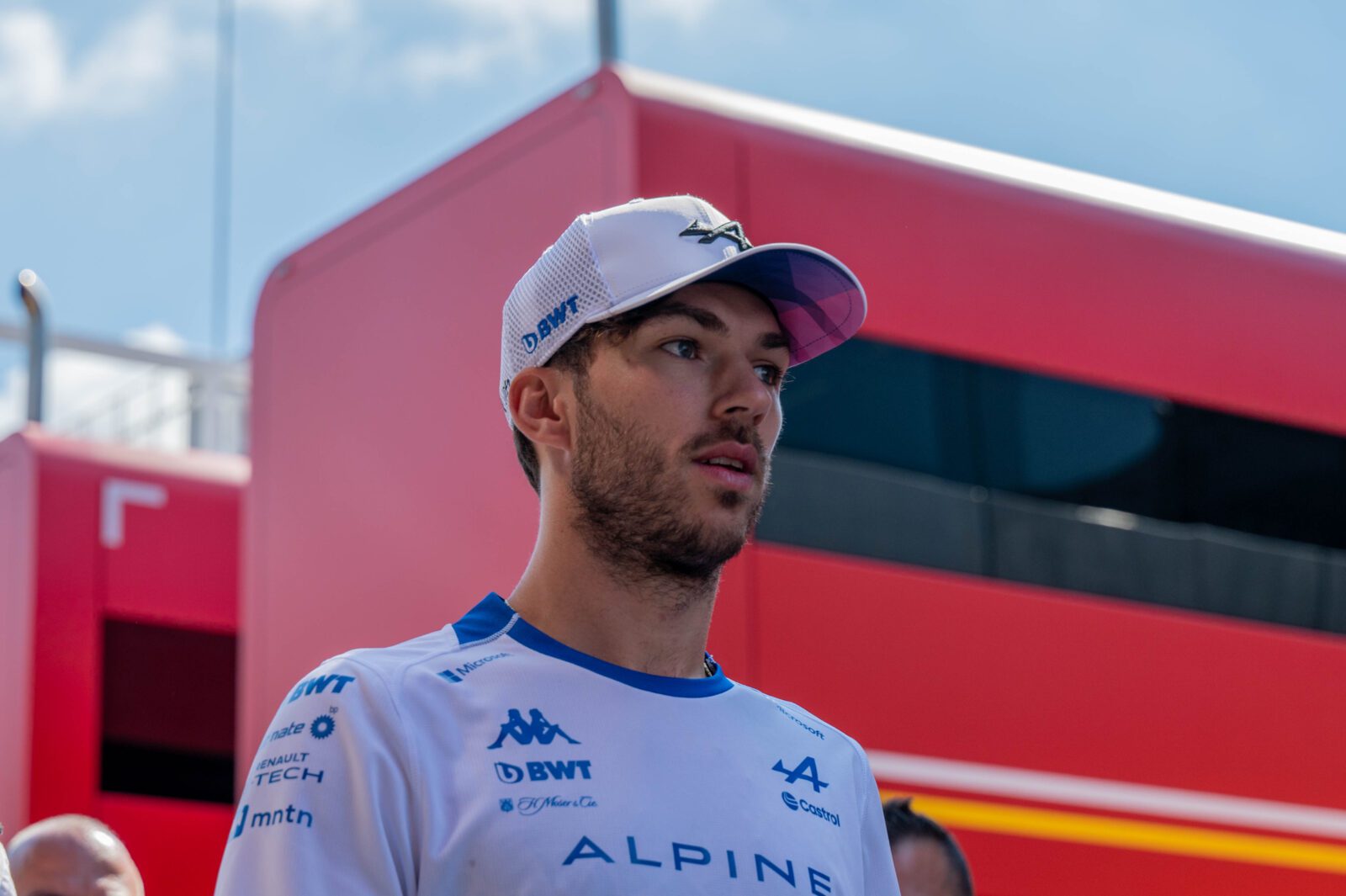
Formula 1 driver Pierre Gasly has identified a significant competitive disparity within the sport during the 2026 season. He states that F1 is currently operating as “two leagues” due to a substantial performance gap between the top four teams and the remainder of the grid.
The Alpine driver attributes this divide to the new regulations introduced for the 2026 season, which he notes have contributed to the spread in competitive order.
Gasly recalled the 2025 season as featuring one of the most closely contested fields in recent memory. He expressed optimism that a similar level of competition could emerge in the coming years as teams reach the peak of development under the current rules.
“If you look at 2025, it was probably the most bunched-up field that we had. Looking at the past, every time you threw new regulations, they targeted bringing the field closer. I don’t know if the stats back me up, but every time it feels like all the gaps get bigger and then eventually get smaller as the regulation and everybody gets to the maximum of what you can do. Let’s give it another year or two, and hopefully that field can get quite close.”
The 2026 technical regulations represent a comprehensive overhaul of the sport. Power units now feature a near 50-50 split between internal combustion and electrical power.
The Motor Generator Unit – Heat (MGU-H) has been removed to reduce complexity and costs, while the Motor Generator Unit – Kinetic (MGU-K) power has tripled to 350kW.
Cars are now powered by 100% sustainable fuels, aligning with Formula 1’s environmental objectives.
Aerodynamic changes include simplified front wings and the elimination of ground-effect tunnels, replaced by a flatter floor design.


Active aerodynamics have been introduced for the first time, allowing cars to dynamically adjust front and rear wing angles for low-drag (Straight Mode) on straights and high-downforce (Corner Mode) in corners.
These changes aim to reduce overall drag by 40% and downforce by 15-30%. The cars are also lighter, with a minimum weight of 768kg, down from 800kg.
Wheelbase has been shortened by 200mm to 3.4m, and the car width reduced by 100mm to 1.9m. Pirelli tyres are also narrower.
A new “Overtake Mode” provides an attacking car with additional electrical power when within one second of a competitor.
Despite the FIA’s stated objectives of promoting closer racing and increased overtaking, the initial phase of the 2026 season has seen a widening of the performance gap.
Pre-season testing in Bahrain indicated a clear separation, with the top four teams significantly ahead of the midfield.
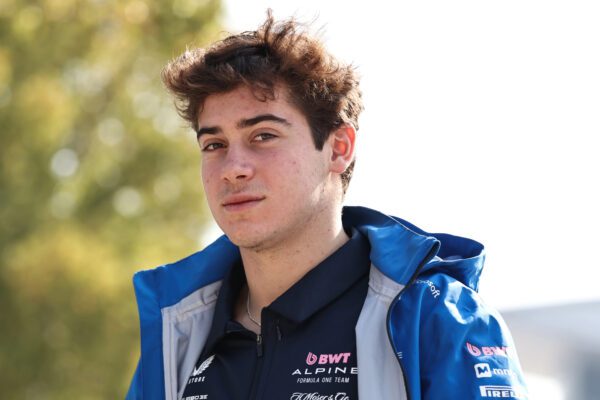
Carlos Sainz and Franco Colapinto, among others, noted the increased distance to the leading teams.
McLaren’s early season performance was reportedly hindered by issues such as being overweight, premature energy clipping, and early exits from low-drag aerodynamic modes.
Mercedes driver Kimi Antonelli secured the 2026 F1 World Championship after the Mexico City Grand Prix, becoming the youngest champion in the sport’s history.
The competitive order for 2026 currently sees Mercedes, Ferrari, McLaren, and Red Bull leading the field.
Alpine, Gasly’s team, is positioned in the midfield, holding sixth place in the Constructors’ standings with 69 points.
Gasly himself has achieved one podium finish this season, a third place at the Monaco Grand Prix, and holds 10th in the Drivers’ standings with 42 points.
Factors contributing to the performance disparities include variations in aerodynamic balance, power unit integration, energy recovery systems, and weight distribution.
The introduction of Cadillac as the 11th team on the grid for 2026 further expands the competitive landscape.
Gasly maintains that it is incumbent upon the lagging teams to enhance their performance to close the existing gap.