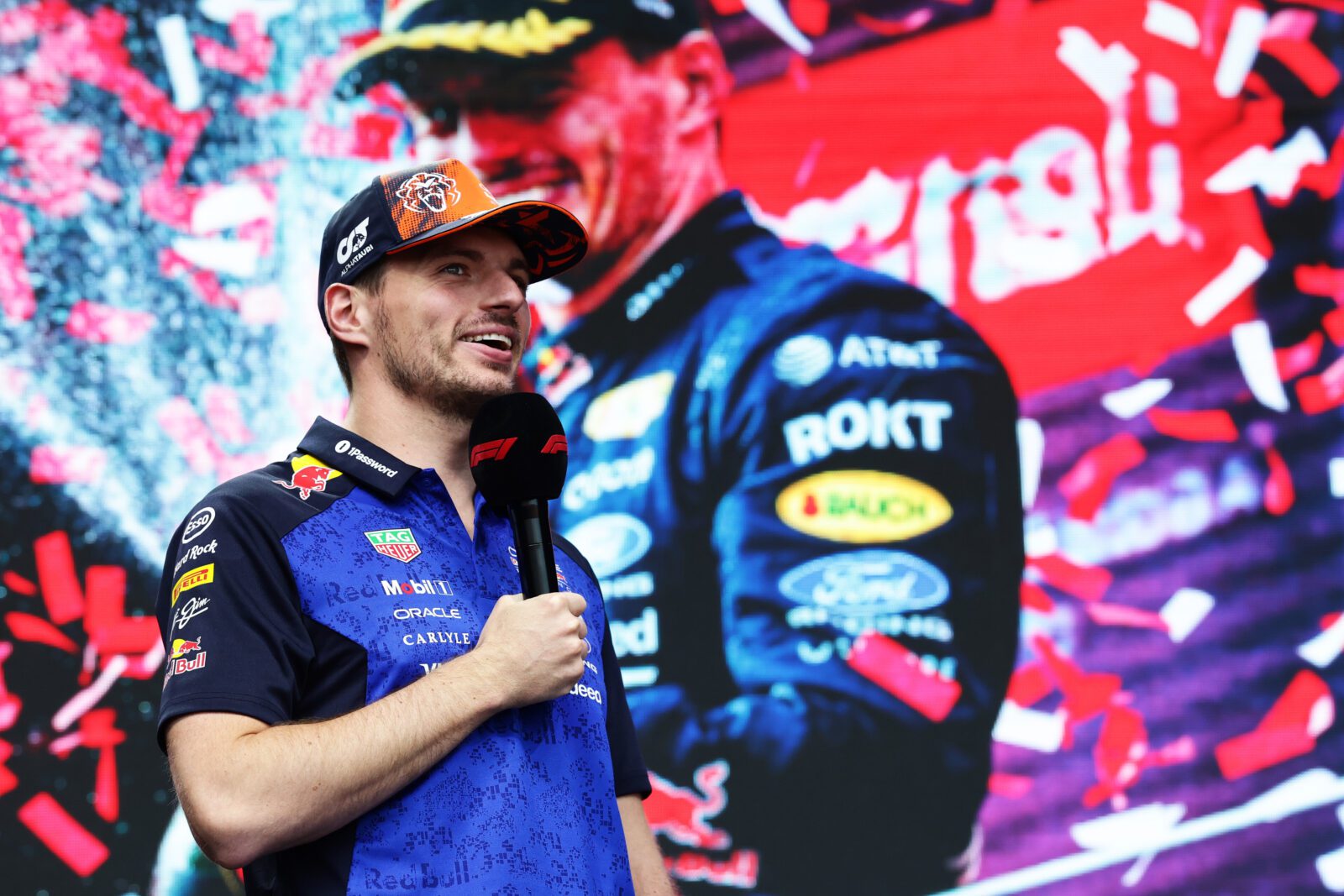
Max Verstappen’s journey to becoming a multiple Formula 1 world champion is rooted in an extraordinary karting career, meticulously orchestrated by his father, former Formula 1 driver Jos Verstappen. This intensive upbringing laid the foundation for his unparalleled car control and aggressive racing style.
The rigorous program involved a massive fleet of karts, spare engines, and Jos Verstappen’s obsessive hands-on approach to two-stroke engine tuning, which became legendary within the karting world.
The ‘100 karts’ legend and jos verstappen’s meticulous preparation
The ‘100 karts’ legend surrounding Max Verstappen’s early career refers not to a single event, but to the sheer volume of equipment and the relentless development cycle driven by his father, Jos. Jos Verstappen acted as Max’s mechanic and engine tuner throughout his karting years, dedicating himself to preparing the chassis and engines daily in his workshop while Max was at school.
This meticulous preparation included having his own engine dyno, an uncommon but essential tool for professional engine tuners in karting, which allowed him to optimize performance. Jos knew precisely which engines were best and how to fine-tune carburetors, a crucial skill Max also learned to develop a keen ‘feeling’ for the kart’s performance.
The superior performance of Max’s karts, attributed to Jos’s expertise, even led to accusations of cheating from other parents in the paddock, a claim confirmed by former F1 driver Pedro de la Rosa.
Relentless european tours and mastering car control
Max Verstappen’s karting education involved extensive travel across Europe, with Jos driving their van upwards of 100,000 kilometers annually. This meant countless hours on the road, visiting hundreds of kart circuits across the Netherlands, Belgium, Italy, and Spain.
During these long 10 to 12-hour road trips, Max often attempted to balance his schoolwork, highlighting the immense dedication required. The objective of these relentless tours was to master car control in all conceivable weather conditions, preparing him for any challenge he might face on track.
Extreme training: forging grip feel in harsh conditions
Jos Verstappen implemented an extreme and deliberately harsh training regimen designed to push Max to his absolute limits and develop an unmatched grip feel. A key aspect of this discipline was intentionally driving in freezing temperatures and torrential rain, conditions most other young karters would avoid.
Helmut Marko, Red Bull’s motorsport advisor, recounts stories of Max driving in northern Italy until his fingers turned blue, only to be told by Jos to warm them on the hot exhaust pipe before immediately returning to the track. Jos would also sometimes change the kart’s setup without informing Max, forcing him to rely purely on instinct and provide precise feedback, further honing his sensitivity to the vehicle’s behavior.
This brutal preparation is widely credited for Max’s exceptional wet-weather driving prowess, making him almost untouchable in challenging conditions.
Unprecedented dominance in 2013 international karting
The culmination of this intense upbringing was Max Verstappen’s historic 2013 season, widely regarded as his “dream year” and even dubbed the “Verstappen year” by the CIK-FIA. At just 15 years old, he achieved an unprecedented level of dominance in international karting.
Verstappen secured both the CIK-FIA European KZ and KF Championships within weeks of each other, triumphing over top specialists in the field. He then went on to become the youngest CIK-FIA World Champion in the KZ shifter class, dominating the final at Varennes, France, ahead of future F1 rival Charles Leclerc.
Although he narrowly missed the CIK-FIA World KF Championship, finishing third after an incident in the final round in Bahrain, his overall performance in 2013 was unparalleled.
| Championship | Category | Result |
|---|---|---|
| CIK-FIA World Championship | KZ | Champion |
| CIK-FIA World Championship | KF | 3rd Place |
| CIK-FIA European Championship | KZ | Champion |
| CIK-FIA European Championship | KF | Champion |
| WSK Euro Series | KZ1 | Champion |
| WSK Master Series | KZ2 | Champion |
| Winter Cup | KF2 | Winner |
The direct leap to Formula 1
Max Verstappen’s extraordinary karting success and the comprehensive training he received enabled him to bypass multiple traditional junior single-seater categories. After his dominant 2013 karting season, he made a direct jump to the FIA Formula 3 European Championship in 2014 at just 16 years old.
His single season in F3 was remarkably successful, demonstrating his immediate adaptability and speed in car racing. This rapid ascent caught the attention of Formula 1 teams, with Red Bull’s driver development program moving swiftly to secure his talent.
In August 2014, it was announced that Verstappen would join Scuderia Toro Rosso for the 2015 Formula 1 season, making him the youngest driver to start an F1 race at 17 years old. This unprecedented jump from F3 directly to F1 prompted the FIA to revise its super license regulations, making it significantly more challenging for future young drivers to replicate such a rapid progression.