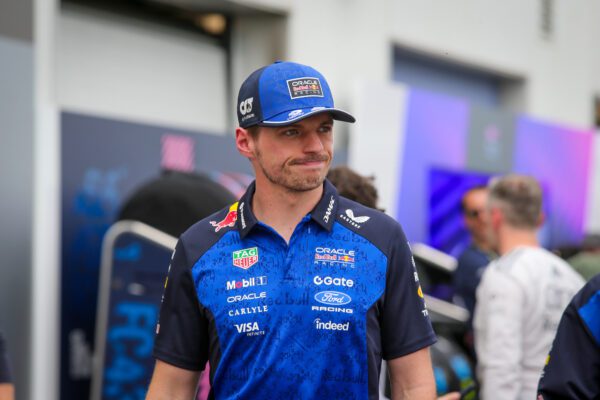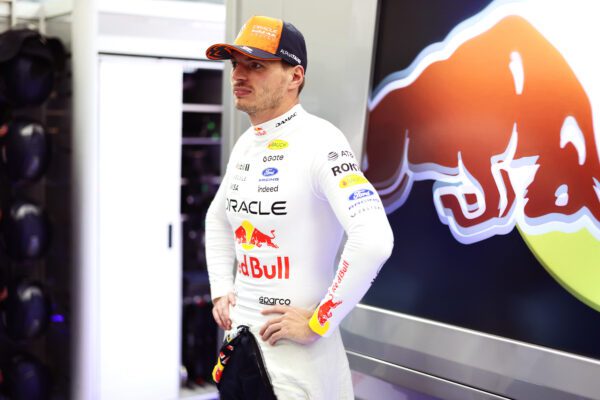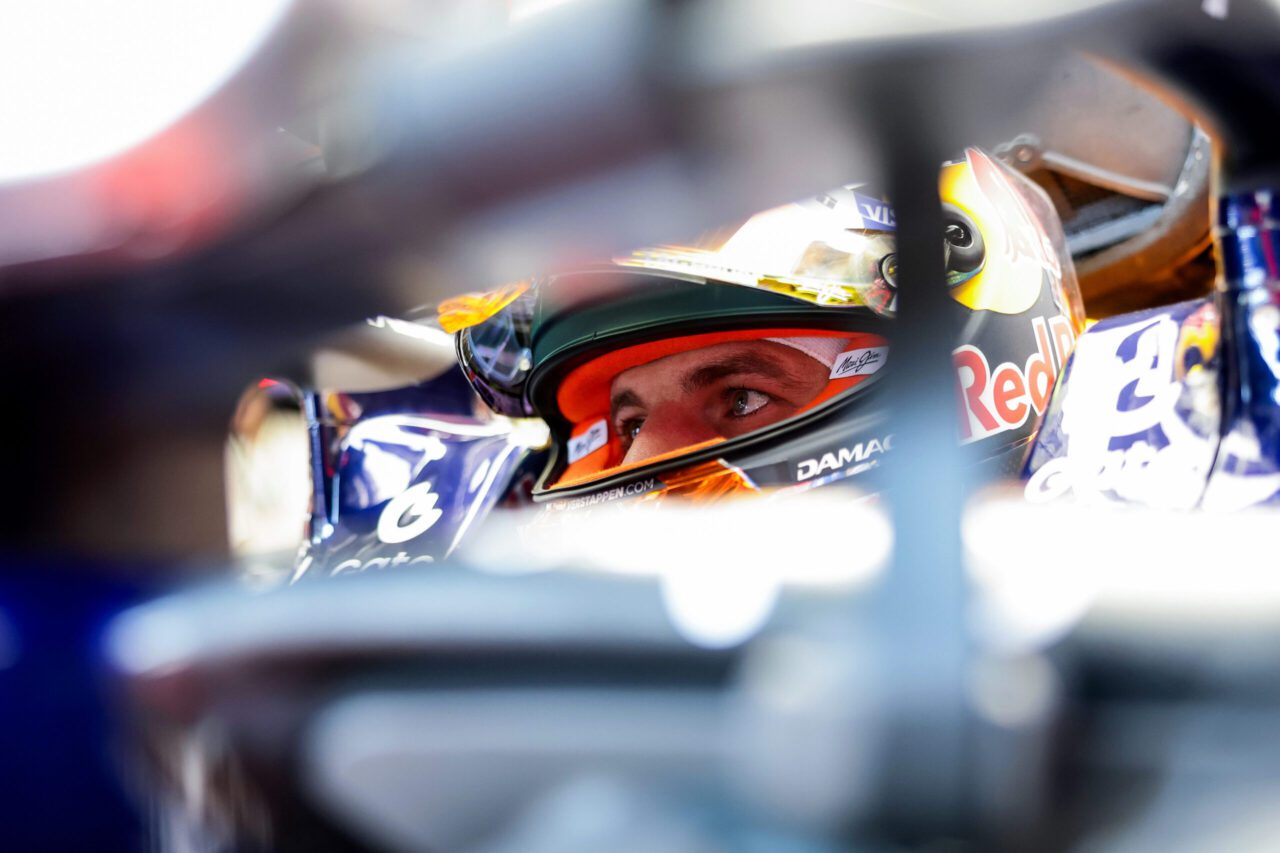
Max Verstappen has re-established Red Bull’s competitive standing in the latter stages of the 2026 Formula 1 season. The team’s recent performance has prompted rival teams to assess their own development trajectories for the upcoming 2027 campaign. Red Bull’s progress follows a challenging start to the current season.
Verstappen secured victories in Malaysia and Singapore, marking consecutive wins after a period without a triumph since the 2015 season. These results demonstrate a significant turnaround in the performance of the RB22 chassis and the Red Bull-Ford power unit.
Despite this resurgence, Verstappen is currently fourth in the 2026 Drivers’ Standings with 221 points. Kimi Antonelli, driving for Mercedes, leads the championship with 340 points. George Russell, also with Mercedes, holds second place with 238 points, while Lewis Hamilton of Ferrari is third with 229 points.
Antonelli’s lead over Verstappen stands at 119 points with six rounds remaining in the season. A maximum of 150 points is still available, meaning the championship remains mathematically open. Antonelli became the youngest-ever championship leader three rounds into the 2026 season.
Mercedes has secured 11 victories out of 17 Grands Prix contested so far in 2026. Antonelli could potentially clinch the 2026 drivers’ title at the forthcoming United States Grand Prix in Austin, depending on specific race outcomes.
Former F1 driver Johnny Herbert commented on Red Bull’s development and Verstappen’s form. Herbert noted the impressive rate of development and performance from the Ford engine. He also highlighted the team’s ability to maintain Verstappen’s satisfaction amidst transfer speculation.
I know there are a few changes next year, but the rate of development and performance has been mighty impressive. They’ve also got the car working well while focusing on getting that engine up and running.
Herbert further stated that Verstappen continues to improve and become a more complete driver. He described Verstappen’s recent speed as ‘pure’ and attributed it to upgrades and the driver’s belief in the team’s capabilities.

The 2026 season introduced significant technical regulations, including lighter and narrower cars. These regulations feature active aerodynamics, allowing cars to adjust front and rear wing angles for ‘Straight Mode’ and ‘Corner Mode’.
Power units for 2026 operate with a roughly 50-50 split between internal combustion and electric power. They also utilise 100% sustainable fuels. Red Bull Powertrains, in partnership with Ford, developed these new hybrid power units for the 2026 season.
Ford provides technical expertise in areas such as combustion engine development, battery cell technology, electric motor technology, and power unit control software. This partnership is slated to continue until at least 2030, supplying both Red Bull Racing and Racing Bulls.
Isack Hadjar is Verstappen’s teammate at Red Bull for the 2026 season. Hadjar was promoted after a strong 2025 season with Racing Bulls, which included a podium finish at the Dutch Grand Prix.
Hadjar has accumulated 97 points in 2026, placing him eighth in the Drivers’ Standings. He sustained a wrist injury during the summer break, causing him to miss three Grands Prix. Hadjar returned at the Azerbaijan Grand Prix, securing a third F1 career podium.
The upcoming United States Grand Prix at the Circuit of the Americas (COTA) is scheduled for October 23-25. Verstappen has noted the notoriously bumpy nature of the COTA track.
Following Austin, the Formula 1 calendar moves to the Mexican Grand Prix at the Autódromo Hermanos Rodríguez. This circuit is situated at a high altitude of 2,240 meters above sea level.
High altitude conditions reduce air density, which impacts engine performance, aerodynamic downforce, and cooling efficiency. Teams typically compensate by running high-downforce aerodynamic configurations.
Verstappen acknowledged the distinct challenges of these upcoming races. He stated that the COTA bumps would be a new challenge for all competitors.
Regarding Mexico, Verstappen highlighted the high altitude and the resulting hot operating temperatures. He emphasised the need to assess engine performance and car behaviour under these specific conditions.